


Abstract Veno-arterial extracorporeal membrane oxygenation (VA-ECMO) has become an accepted treatment modality for refractory cardiogenic shock (CS). However, its use is limited to tertiary centers due to resource allocation, education,..
Read More
Abstract Background ECMO is indicated for respiratory or cardiopulmonary failure despite high oxygen levels, advanced ventilation, and patient optimization, when persistent hypoxemia/hypercapnia threatens life. Aim Compare characteristics and outcomes of..
Read More
Abstract Background Extracorporeal membrane oxygenation (ECMO) is an established life support technique for refractory acute cardiorespiratory failure in children and adult patients. However, ECMO support is provided only by specialized..
Read More
Abstract Background/Objectives: Venovenous extracorporeal membrane oxygenation (VV ECMO) supports reversible respiratory failure when mechanical ventilation fails. Technological advances and specialized teams now enable ECMO initiation at referring centers, even for high-risk..
Read More
Abstract Objective To summarize the management experience of inter-hospital transport of critically ill children with extracorporeal membrane oxygenation (ECMO) in our hospital and provide evidence for the mobile ECMO for..
Read More
Abstract Extracorporeal membrane oxygenation (ECMO) is a crucial support for patients with severe cardiac or respiratory failure, but its availability is limited, often requiring patient transport to specialized centers. Only..
Read More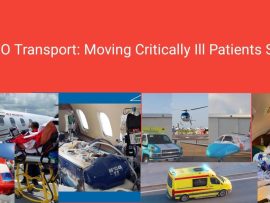
Introduction Extracorporeal Membrane Oxygenation (ECMO) is a life-saving intervention for patients with severe cardiac and respiratory failure. However, the need for specialized ECMO care often necessitates the transport of critically..
Read More
Abstract Introduction: The use of extracorporeal membrane oxygenation (ECMO) for cardiopulmonary failure is increasing. ECMO transport teams are needed to expand patient access. Our goal was to design and implement a..
Read More
Abstract Introduction Transport on extracorporeal membrane oxygenation (ECMO) is a risky and complex procedure. Although most published data support the feasibility of interhospital transport on ECMO, data concerning intra-facility transportation..
Read More
Abstract Introduction: The organization of primary Extracorporeal membrane oxygenation (ECMO) transport is highly variable. Methods: To present the experience of the first mobile pediatric ECMO program in Spain, we designed a prospective..
Read More
Abstract Purpose: Most extracorporeal membrane oxygenation (ECMO) cannulations are performed by cardiothoracic surgeons (CTS). Due to an increase in utilization of ECMO and limited availability of CTS, there is a mismatch..
Read More
Abstract Interhospital transport of acute respiratory distress syndrome (ARDS) patients bears transport-associated risks. It is unknown how interhospital extracorporeal membrane oxygenation (ECMO) transfer of COVID-19 patients by mobile ECMO units affects ARDS mortality. We compared the outcome..
Read More
Abstract A study published in March 2022 evaluated complications and in-hospital mortality in patients treated with Venovenous (VV) ECMO based on cannula locations and transport mode. The manuscript, written by..
Read More
Abstract Extracorporeal membrane oxygenation (ECMO) support requires skills that can only be found in specialized centers. The number of patients annually supported with ECMO is positively associated with the survival..
Read More
Abstract Disclaimer: This extracorporeal life support organization guideline describes the preparation for and undertaking of transport and retrieval of patients on extracorporeal membrane oxygenation (ECMO). The guideline describes useful and..
Read More
Abstract There are quarter of a million articles in PubMed since the wake of the COVID-19 pandemic with about fifteen hundred articles on extracorporeal membrane oxygenation (ECMO) alone. Those that are entrenched..
Read More
Abstract Previous experience has shown that transporting patients on extracorporeal membrane oxygenation (ECMO) is a safe and effective mode of transferring critically ill patients requiring maximum mechanical ventilator support to..
Read More
Abstract This retrospective cohort study describes all children transported on extracorporeal life support (ECLS) by the Stollery Children’s Hospital Pediatric Transport team (SCH-PTT) between 2004 and 2018. We compared outcomes..
Read More