
Post-discharge health-related quality of life, cognitive function, disability, risk of post-traumatic stress disorder, and depression amongst the survivors of veno-venous extracorporeal membrane oxygenation (VV-ECMO) during the COVID-19 pandemic: a nested cohort study protocol

Abstract
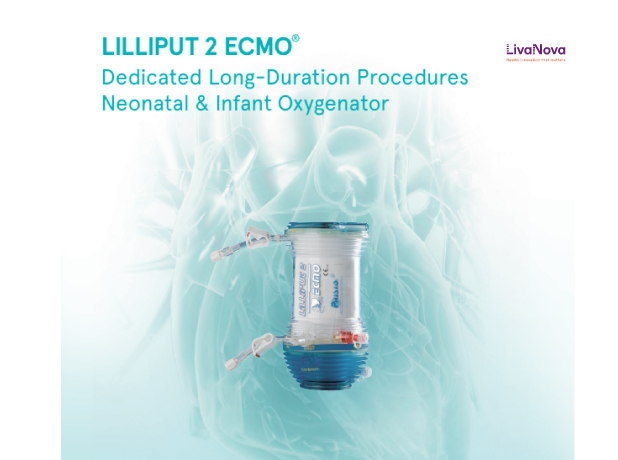
Background Veno-venous extra-corporeal membrane oxygenation (VV-ECMO) is a form of mechanical respiratory support for critically ill patients with severe acute respiratory distress syndrome (ARDS). Using a large intravenous line in a closed-circuit, blood is removed from the patient and passed through a hollow-fiber membrane where oxygen is added and carbon dioxide is removed. The oxygenated blood is then reinfused into the patient. Overt neurologic injury (ischemic stroke or intracerebral hemorrhage) occurs in approximately 20% of patients who receive VV-ECMO. However, it is unclear if there is additional unrecognized neurologic disability amongst patients who survive VV-ECMO. As such, we will perform a cohort study nested within our existing prospective study of patients who underwent VV-ECMO during the COVID-19 pandemic1,2. We expect to ascertain long-term patient reported and performance-based outcomes in greater than 60% of survivors of VV-ECMO. This study will provide important patient-centric long-term outcomes in contrast to the majority of existing studies of patients on VV-ECMO which focus solely on short-term survival.
Methods and analysis We will include 39 patients who survived VV-ECMO and ascertain patient reported and performance-based outcomesthrough phone interviews. We will measure: i) Health-Related Quality of Life (HRQoL) using the EQ-5D-5L, ii) cognitive function using the T-MoCA Short, iii) disability using the World Health Organization Disability Assessment Scale (WHODAS) 2.0, iv) post-traumatic stress disorder (PTSD) using the Impact of Event Scale-6 (IES-6), and v) depression using the Patient Health Questionnaire – 9 (PHQ-9).
Ethics and dissemination The results from the analysis of the study data will be disseminated through presentation of a scientific abstract at international conference, and submission of a manuscript in a peer-reviewed critical care medicine journal. The study ethical approval has been obtained from the University of British Columbia (UBC) Clinical Research Ethics Board (REB)(H21-00033) and the Vancouver Coastal Health Research Institute (V21-00033).