


Abstract Background Veno-venous extracorporeal membrane oxygenation (VV ECMO) is a key therapy for refractory respiratory failure, but can trigger systemic inflammation and prothrombotic activation that impair the membrane lung (ML)...
Read More
Abstract Obesity is common among critically ill adults, but its association with outcomes during venovenous extracorporeal membrane oxygenation (VV ECMO) remains controversial. We evaluated associations of body mass index (BMI)..
Read More
Abstract Background Extracorporeal membrane oxygenation (ECMO) has become a vital life-support tool in critical care, particularly during the COVID-19 pandemic. The rapid growth of ECMO research necessitates bibliometric analysis to..
Read More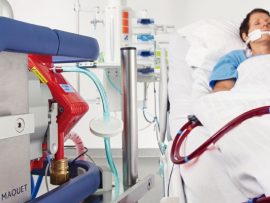
Abstract Background: Veno-venous extra-corporeal membrane oxygenation (ECMO) cannulations are mostly performed while patients are heavily sedated and mechanically ventilated. For patients with acute respiratory distress syndrome (ARDS), cannulating for ECMO while..
Read More
Abstract Background/Objectives: Whether a remote history of SARS-CoV-2 infection independently affects early haemodynamic stability after elective cardiopulmonary bypass (CPB) remains uncertain. We evaluated whether prior COVID-19 (>7 weeks before surgery)..
Read More
Abstract BACKGROUND: This single center study analyzed epidemiology, outcomes, and three-year quality of life (QoL) of critically ill COVID-19 patients requiring a possibly life-saving VV-ECMO. METHODS: Demographics, clinical and technical..
Read More
Abstract The utilisation of cardiopulmonary bypass (CPB) during cardiac surgery is often associated with complex haemostatic perturbations, frequently manifesting as a paradoxical risk of both bleeding and thrombosis. This is..
Read More
Abstract Background The impact of the duration of invasive mechanical ventilation (IMV) before venovenous extracorporeal membrane oxygenation (VV ECMO) on patient outcomes in COVID-19 remains unclear. Methods and setting Data..
Read More
Abstract Objectives: Limited data exist on outcomes in COVID-19- vs. influenza A (H1N1)-associated acute respiratory distress syndrome (ARDS) patients when supported on venovenous extracorporeal membrane oxygenation (ECMO). We aimed to..
Read More
Abstract Background The COVID-19 Pandemic challenged the healthcare system worldwide, but its effect on outcomes of cardiac arrest (CA) and extracorporeal membrane oxygenation (ECMO) use are understudied. We examined trends..
Read More
Abstract The COVID-19 pandemic has revealed that the impact of SARS-CoV-2 infection extends well beyond the acute phase, with long-term sequelae affecting multiple organ systems, most notably, the cardiovascular system...
Read More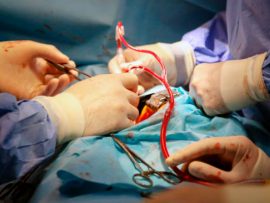
Abstract Objectives The full extent of the COVID-19 pandemic’s impact during different phases of the pandemic and the recovery of cardiac surgical services in the United Kingdom have not been..
Read More
Abstract To explore the challenges and describe the impact of the COVID-19 pandemic on intensive care nurses' experience in providing ECMO care in a high-volume Australian ICU ECMO centre that..
Read More
Abstract Objective The outcomes of COVID-19 patients on venovenous extracorporeal membrane oxygenation (VV-ECMO) varied. We aim to investigate the variability concerning location and timeframe. We conducted a retrospective analysis of..
Read More
Abstract Purpose Veno-venous extracorporeal membrane oxygenation (VV-ECMO) is increasingly being used in patients with respiratory failure. The goal of this study was to characterize postdischarge psychological and functional outcomes of..
Read More
Abstract Background: We evaluated the impact of noninvasive respiratory support (NRS) and invasive mechanical ventilation duration before venovenous extracorporeal membrane oxygenation (VV-ECMO) on weaning from venovenous ECMO and survival. Methods: In..
Read More
Abstract Whether an anticoagulation strategy combining bivalirudin and aspirin during extracorporeal membrane oxygenation (ECMO) would prolong oxygenator use is unknown. No clear data exist on oxygenator life span during prolonged..
Read More
Abstract Background: Hyperbaric Oxygen Therapy (HBOT) is a medical treatment that involves administering 100% oxygen at increased atmospheric pressure to enhance oxygen delivery to tissues. Initially developed for decompression sickness, HBOT..
Read More
Abstract Extracorporeal membrane oxygenation is increasingly being used to support patients with hypoxemic respiratory failure and cardiogenic shock. During the COVID-19 pandemic, consensus guidance recommended extracorporeal life support for patients..
Read More
Abstract Introduction Extracorporeal membrane oxygenation (ECMO) is a vital intervention for acute respiratory distress syndrome (ARDS), yet its efficacy with coronavirus disease 2019 (COVID-19) remains unknown. This study compared the..
Read More
Abstract Background Veno-venous extra-corporeal membrane oxygenation (VV-ECMO) is a form of mechanical respiratory support for critically ill patients with severe acute respiratory distress syndrome (ARDS). Using a large intravenous line in..
Read More
Abstract With the COVID pandemic, veno-venous (VV) extracorporeal membrane oxygenation (ECMO) was implanted in many patients around the world. Data regarding follow-up and recovery of patients who are placed on..
Read More
Abstract Drug treatments for coronavirus disease 2019 (COVID-19) dramatically improve patient outcomes, and although extracorporeal membrane oxygenation (ECMO) has significant use in these patients, it is unknown whether ECMO affects..
Read More
Abstract Background: Acute respiratory distress syndrome (ARDS) presents a significant challenge in critical care settings, characterized by compromised gas exchange, necessitating in the most severe cases interventions such as veno-venous extracorporeal..
Read More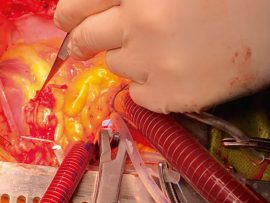
Abstract Background Reports of intravascular thrombosis and cardiac complications have raised concerns about the safety of COVID‐19 vaccinations, particularly in patients with high cardiovascular risk. Herein, we aimed to analyze..
Read More
Abstract This retrospective analysis of the Extracorporeal Life Support Organization (ELSO) registry evaluates the outcomes and identifies risk factors associated with conversion from initial venovenous extracorporeal membrane oxygenation (ECMO) support..
Read More
Abstract Background Extracorporeal membrane oxygenation (ECMO) is a rescue therapy in patients with severe acute res‑piratory distress syndrome (ARDS) secondary to COVID‑19. While bleeding and thrombosis complicate ECMO, theseevents may..
Read More
Abstract Severe acute hypercapnia is independently associated with increased adverse effects and intensive care unit mortality in mechanically ventilated patients. During the severe acute respiratory syndrome coronavirus 2 (COVID-19) pandemic,..
Read More
Abstract Rationale Severe cases of acute respiratory distress syndrome (ARDS) may require prolonged (>28 days) extracorporeal membrane oxygenation (ECMO). In non-resolving disease, recovery is uncertain and lung transplant may be..
Read More
Abstract The coronavirus disease-2019 (COVID-19) pandemic has placed many restrictions on medical care. The timing of surgical treatment has been particularly affected, with patients experiencing delayed operation dates. This report..
Read More