
Flow benefits of pediatric arterial cannulae versus introducer sheaths as distal perfusion catheters in venoarterial extracorporeal membrane oxygenation

Abstract
Objective
We test the hypothesis that pediatric arterial (“peds art”) cannulae as distal perfusion catheters (DPCs) for venoarterial extracorporeal membrane oxygenation provide more favorable distal limb hemodynamics than introducer sheaths.
Methods
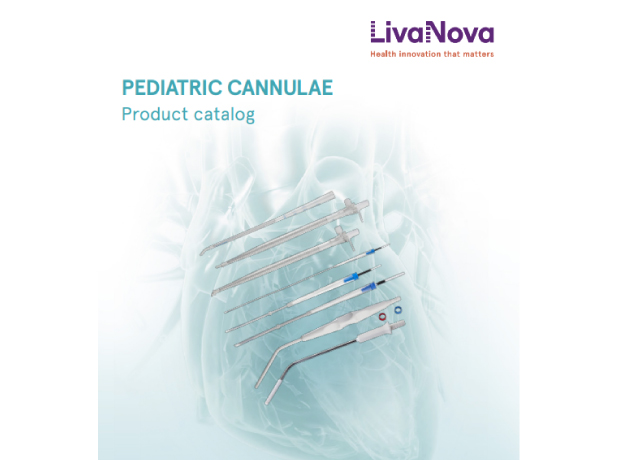
Introducer sheaths (Teleflex 5, 6, 8 Fr) and peds art cannulae (Medtronic 6, 8, 10 Fr) were tested as DPCs in static and dynamic mock loops. Flow through each and flow loss caused by their intravascular obstructiveness was measured to calculate pressure gradient versus flow, intravascular obstruction flow, and resistances.
Results
All 3 peds art cannulae tested delivered greater flows than the 3 introducer sheaths. The 10-Fr peds art cannula provided the most flow (0.97 L/min, 1500 rpm), whereas all 3 introducer sheaths provided much lower and nearly identical flows (only 0.18-0.20 L/min, 1500 rpm) despite their different diameters. The 10-Fr peds art cannula provided the most flow at equivalent head pressures despite being the most obstructive (least amount of flow around it, 2.0 L/min) relative to no DPC (2.5 L/min), resulting in the highest cumulative flow distally.
Conclusions
The 10-Fr peds art cannula was the most beneficial DPC tested. All peds art cannulae tested possessed a better tradeoff of flow delivery versus intravascular obstructiveness compared to introducer sheaths, resulting in more favorable distal limb hemodynamics. The integrated stopcock with small holes (0.061′′ = 4.65 Fr) on the introducer sheath’s sidearm and at the 90° sidearm’s attachment to the sheath’s hub increase resistance. These chokepoints of introducer sheaths prevent sufficient flow to support distal limb perfusion as DPC.