
Clinician Variability in a Case about ECMO Candidacy: A Qualitative Analysis

Abstract
Introduction
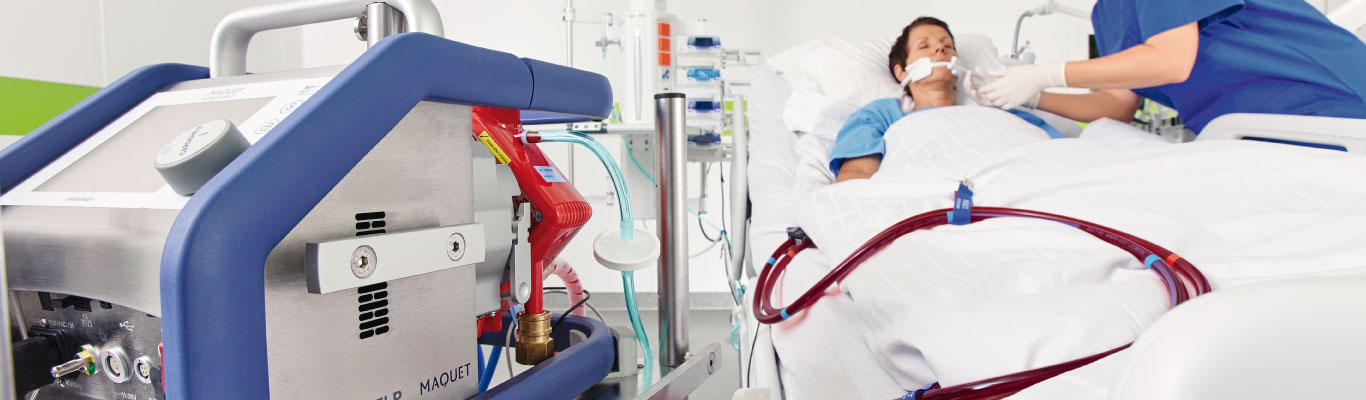
Veno-venous extracorporeal membrane oxygenation (VV ECMO) is a life-sustaining technology that supports patients with severe acute respiratory failure. Indications and contraindications to VV ECMO are evolving and professional society guidelines typically articulate candidacy considerations rather than definitive criteria.
Without broad consensus based approaches to identify candidates, clinicians must perform individualized risk-benefit assessments for each patient. However, overreliance on clinician discretion risks inconsistent decision-making,2–4 potentially leading to inequitable and inefficient resource allocation. While data show variability in candidate selection and outcomes,5 current literature has not assessed how candidacy decisions practically unfold. Using a hypothetical case, this study attempts to elucidate the factors clinicians consider and demonstrate variability in how candidacy decisions are made.