


Abstract Low-flow extracorporeal carbon dioxide removal (ECCO2R) may be useful when severe hypercapnia limits ultra-protective ventilation but full venovenous extracorporeal membrane oxygenation (VV-ECMO) is not pursued. We describe a 68..
Read More
Abstract Antimicrobial use in patients receiving extracorporeal membrane oxygenation (ECMO) is poorly described. In this study, evaluating antimicrobial use at a single center without ECMO-specific antimicrobial prophylaxis protocols, antimicrobials were..
Read More
Abstract Introduction:Extracorporeal Membrane Oxygenation (ECMO) has evolved as an effective mechanical support for cardiorespiratory failure in patients undergoing congenital cardiac surgery, and the threshold of using it has substantially reduced...
Read More
Abstract Obesity is common among critically ill adults, but its association with outcomes during venovenous extracorporeal membrane oxygenation (VV ECMO) remains controversial. We evaluated associations of body mass index (BMI)..
Read More
Abstract Objectives To develop and validate a scale to measure nursing activities in patients receiving extracorporeal membrane oxygenation (ECMO) and to examine its underlying factor structure. Methods A multicentre cross-sectional..
Read More
Abstract Background Extracorporeal membrane oxygenation, although lifesaving, is invasive. Complications affecting all body systems mandate reevaluation of goals of care. When extracorporeal membrane oxygenation is nonbeneficial, planning for de-escalation/decannulation to..
Read More
Abstract Objectives To map the use of patient-reported outcome measures (PROMs) and patient-reported experience measures (PREMs) in adult follow-up after extracorporeal membrane oxygenation (ECMO), and to identify measurement gaps relevant..
Read More
Abstract In this single-center retrospective cohort study, we compared extracorporeal membrane oxygenation (ECMO) cannulation and early management performed in the emergency resuscitation room (ERR) versus the intensive care unit (ICU)...
Read More
Abstract Cerebral injury remains a major contributor to morbidity and mortality in VA‑ECMO patients. Disruption of cerebral autoregulation during extracorporeal support may predispose to neurological damage. This prospective study evaluated..
Read More
Abstract An obese female patient with ischemic cardiomyopathy was placed on venoarterial extracorporeal membrane oxygenation (VA-ECMO) for cardiogenic shock after in-hospital cardiac arrest. Despite biventricular recovery by day 3, VA-ECMO..
Read More
Abstract Efficient and selective gas transport across soft and nonporous interfaces remains a pivotal challenge for biomimetic membrane design, particularly in extracorporeal membrane oxygenation (ECMO) systems. Here, we report a..
Read More
Abstract In this retrospective cohort study at a quaternary referral hospital, 829 adult patients supported by extracorporeal membrane oxygenation (ECMO) between January 1, 2014, and October 31, 2024, were screened..
Read More
Abstract Extracorporeal membrane oxygenation (ECMO) cannulation during refractory cardiac arrest has become a key therapeutic option in contemporary critical care medicine. When initiated in a timely manner, extracorporeal cardiopulmonary resuscitation..
Read More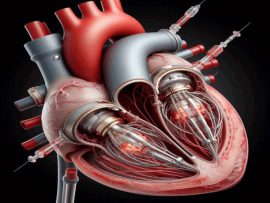
Abstract Post–myocardial infarction (PMI) ventricular septal defect (VSD) repair is associated with high mortality., The pathophysiology varies based on the size of the infarction and the VSD, which results in..
Read More
Abstract To optimize and evaluate the hydrodynamic performance and gas exchange efficiency of a newly developed centrifugal blood pump and membrane oxygenator for extracorporeal membrane oxygenation (ECMO) support, blood pump..
Read More
Abstract Optimal oxygen target levels for critically ill patients have been discussed for decades and very low but also high PaO2-levels were both associated with higher mortality [, ]. In..
Read More
Liquid Lung Rest During Extracorporeal Life Support in a Neonatal Porcine Model of Acute Lung Injury
Abstract In patients with severe lung injury, extracorporeal life support (ECLS) enables lung rest, but the optimal strategy is unknown. This study compared liquid lung rest (LLR) versus standard gas rest ventilation..
Read More
Abstract Fluid administration and fluid balance are both important clinical considerations in the management of patients receiving extracorporeal membrane oxygenation (ECMO). Insufficient intravascular volume may limit the output of preload-dependent..
Read More
Abstract Introduction In patients with prior valve replacement requiring venoarterial extracorporeal membrane oxygenation (VA ECMO), there is a risk of prosthetic valve thrombosis (PVT) due to intracardiac stasis. We describe..
Read More
Abstract Patients supported with peripheral femoral venoarterial extracorporeal membrane oxygenation (VA-ECMO) frequently face the challenge of determining the optimal timing for weaning trials, as no universally standardized bedside method is..
Read More
Abstract Early rehabilitation during venovenous extracorporeal membrane oxygenation used as a bridge to recovery (VV ECMO–BTR) may help preserve functional capacity. We retrospectively analyzed 153 adults supported with VV ECMO–BTR..
Read More
Abstract Background Veno-venous extracorporeal membrane oxygenation (VV ECMO) is an advanced therapy for patients with respiratory failure refractory to conventional management. Volume overload and elevated lactate levels have been associated..
Read More
Impact of intra-aortic balloon pump support on cerebral blood flow velocity during venoarterial ECMO
Abstract Introduction Venoarterial extracorporeal membrane oxygenation (V-A ECMO) is frequently combined with intra-aortic balloon pump (IABP) support in patients with refractory cardiogenic shock. Although IABP may reduce V-A ECMO–related afterload,..
Read More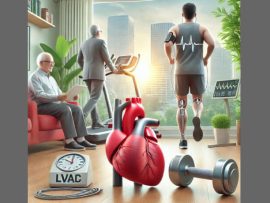
Abstract Background/Objectives: Evidence on outcomes after repeat VA-ECMO in adults remains limited. This study aimed to compare survival and post-discharge functional outcomes between adults requiring a second VA-ECMO run and..
Read More
Abstract One theme worth emphasizing is that “ECMO prediction” is not a single task. Some models are intended to inform decisions before cannulation, whereas others incorporate variables such as ECMO..
Read More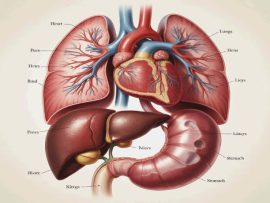
Abstract Liver transplantation (LT) is an established therapy for patients with end-stage liver disease. Advances in surgical technique, anesthetic management, and standardization of perioperative care have significantly improved outcomes, making..
Read More
Abstract Extracorporeal membrane oxygenation (ECMO) is a vital therapy for patients with severe cardiac and pulmonary failure. Despite technological advances, oxygenator dysfunction remains common, yet comparative clinical data across devices..
Read More
Abstract Oxygenator thrombosis is a major complication during extracorporeal membrane oxygenation (ECMO), but systemic anticoagulation may be contraindicated by active hemorrhage, recent surgery, intracranial injury, or severe coagulopathy. Circuit-directed nitric..
Read More
Abstract Background Levosimendan is often given during venoarterial extracorporeal membrane oxygenation (VA-ECMO) support with the intention of facilitating weaning. The available evidence, however, has been derived largely from nonrandomized studies..
Read More
Abstract Background Decannulation from venovenous extracorporeal membrane oxygenation (ECMO) at the earliest safe opportunity would be expected to improve patient outcomes. Currently, the manner in which clinicians liberate patients from..
Read More