


Abstract First described in 1926 by Erik von Willebrand as hereditary pseudohemophilia, von Willebrand disease (vWD) is now recognized as the most common inherited bleeding disorder worldwide, with an estimated..
Read More
Abstract Introduction The anticoagulation strategy and the cardiopulmonary bypass management represent two core elements of the intraoperative care of the cardiac surgery patient. The ideal approach remains an issue of..
Read More
Abstract As cardiac surgery volumes increase worldwide, major bleeding remains a significant complication following cardiopulmonary bypass (CPB) surgery. Accurate prediction of postoperative hemorrhage risk is crucial. This study aimed to..
Read More
Abstract Purpose To evaluate changes in post-operative transfusion requirements of infants undergoing congenital diaphragmatic hernia (CDH) repair on ECMO following implementation of a perioperative guideline. Methods In 2021, a multidisciplinary..
Read More
Abstract Objective To evaluate the effects of intravenous iron on red cell transfusion and recovery after cardiac surgery. Design International, multicentre, double blind, placebo controlled randomised trial (ITACS). Setting 33..
Read More
Abstract Objective Hemostatic therapy is commonly used in cardiac surgery. Despite tools to reduce inappropriate use, variability remains, mainly due to a lack of standards, especially intraoperatively. This study examined..
Read More
Abstract Objectives Cardiopulmonary bypass is necessary for surgical repair of complex congenital heart disease. We studied whether whole blood use in circuit prime and for initial intraoperative transfusion needs improved..
Read More
Abstract Background Despite advances in patient blood management, the optimal hemoglobin threshold for Red Blood Cell (RBC) transfusion remains controversial. This observational study evaluated the association between the relative decline..
Read More
Abstract BACKGROUND: Approximately 10% to 15% of all red blood cell (RBC) transfusions in the United States and United Kingdom occur during cardiac surgery. Despite efforts to standardize patient blood..
Read More
Abstract Anaemia is a blood disorder that affects individuals of all ages, genders, and ethnicities. It results from a decrease in the number or functionality of erythrocytes or haemoglobin (Hb),..
Read More
Abstract Objectives To explore the superiority of fibrinogen concentrate (FC) versus cryoprecipitate for bleeding after cardiac surgery. Design Secondary analysis of the FIBRES randomized trial. Setting Eleven Canadian hospitals, February..
Read More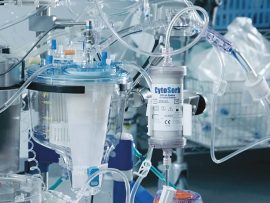
Abstract Background Patients receiving clopidogrel who undergo urgent CABG before the recommended 5-day washout period are at increased risk of perioperative bleeding. This study evaluated whether intraoperative hemoadsorption can reduce..
Read More
Abstract Background The impact of perioperative red blood cell transfusion on long-term outcomes after cardiovascular surgery remains controversial. This meta-analysis of reconstructed time-to-event data aimed to evaluate the association between..
Read More
Abstract Introduction Pre-operative anaemia is associated with adverse outcomes following cardiac surgery. However, the prognostic impact of postoperative anaemia is characterised incompletely. We examined whether anaemia at hospital discharge independently..
Read More
Abstract Objectives To describe perioperative transfusion rates, hospital variability, temporal trends, and the association between red blood cell (RBC) transfusion and predefined risk factors in Dutch cardiac surgery. Design Nationwide..
Read More
Abstract Background: Hemodilution during cardiopulmonary bypass (CPB) is a standard perfusion strategy used to reduce blood viscosity and enhance microcirculatory flow. The hemodilution rate, expressed as hemoglobin (Hb) concentration, is..
Read More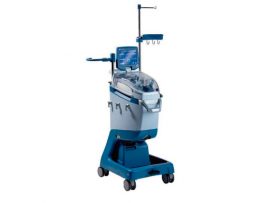
Abstract Over the past 2 decades, liver transplantation (LT) has undergone a profound transformation in different fields. In particular, once characterized by massive blood product utilization, LT is now characterized..
Read More
Abstract Objectives We investigated the effects of the combined use of preoperatively separated autologous red blood cells, plasma, and fibrin sealant on reducing allogeneic blood transfusion during valve-sparing root replacement..
Read More
Abstract Background While Cell Saver technology effectively reduces red blood cell transfusion in the perioperative setting, its impact on the need for pro-hemostatic factors remains unclear. The use of Cell..
Read More
Abstract Background: The aim of this study was to investigate the efficacy and safety of cell salvage (CS) use in cardiac reoperations and to conduct a cost analysis considering the Turkish..
Read More
Abstract Perioperative anemia and red blood cell transfusions are important risk factors for morbidity and mortality in cardiac surgery. Preoperative anemia is common, with up to 50% of patients presenting..
Read More
Abstract Team Sport The most effective method for achieving sustainable blood-sparing practices is a pragmatic and individualized approach within a multidisciplinary framework. For every case, direct, clear, and intentional communication..
Read More
Abstract Objective To investigate the dynamic impact of anemia at different perioperative timepoints (preoperative, postoperative day 1, 3, and 7) on adverse events in patients undergoing cardiac surgery. Methods This..
Read More
Abstract Hemolysis, the rupture of red blood cells, releases hemoglobin, haem, and redox-active iron into the bloodstream. When the body’s scavenging capacity is overwhelmed, these species can exert deleterious effects,..
Read More
Abstract Background/Objectives: Postoperative complications following adult cardiac surgery are biologically interrelated, yet most machine learning models predict single outcomes. We developed an explainable multi-output model integrating routinely collected clinical variables..
Read More
Abstract Background Preoperative intravenous iron has become increasingly popular as a strategy to optimize hemoglobin before major surgery. However, its potential benefit in non-anaemic patients undergoing cardiac surgery remains unclear...
Read More
Abstract Background Allogeneic blood is a limited and globally scarce resource. Protocols based on the Patient Blood Management (PBM) program, incorporating therapeutic alternatives to reduce the use of red blood..
Read More
Abstract Background Platelet activation is crucial for hemostasis and thrombosis, particularly in patients on antiplatelet therapy. Managing bleeding risk during cardiac surgery requires understanding platelet dynamics, especially when antiplatelet agents..
Read More
Abstract Background This study aims to assess the agreement between noninvasive hemoglobin (SpHb) and invasive hemoglobin (InvHb) monitoring in guiding blood transfusions during thoracic procedures. Methods This study was not..
Read More
Abstract In the course of extracorporeal circulation (ECC), real-time monitoring of blood electrolyte levels is crucial for ensuring patient safety and improving outcomes. A continuous detection chip of blood electrolytes..
Read More