


Terapia CytoSorb en Cirugía Cardíaca de urgencia y emergencia. CytoSorb reduce las complicaciones de hemorragia en pacientes de emergencia al eliminar de modo efectivo el ticagrelor y el rivaroxaban de..
Read More
Abstract Background: Ultrafiltration is used with cardiopulmonary bypass to reduce the effects of hemodilution and restore electrolyte balance. We performed a systematic review and meta-analysis to analyze the effect..
Read More
Abstract Refurbishing single use extracorporeal membrane oxygenation (ECMO) oxygenators for in vitro research applications is common. However, the refurbishment protocols that are established in respective laboratories have never been evaluated. In the present study, we aim at proving..
Read More
Abstract Introduction Limb ischemia is a severe complication of peripheral veno-arterial extracorporeal life support (V-A ECLS). Several techniques have been developed to prevent this, but it remains a major and..
Read More
Abstract Objective The influence of Extracorporeal Life Support Organization (ELSO) center of excellence (CoE) recognition on failure to rescue after cardiac surgery is unknown. We hypothesized that ELSO CoE would..
Read More
Abstract Objective There is limited evidence on standardized protocols for optimal neurological monitoring methods receiving (ECMO). We previously introduced protocolized noninvasive multimodal neuromonitoring using serial , electroencephalography, ultrasound, and . The purpose of this study..
Read More
Abstract Background Extracorporeal membrane oxygenation (ECMO) in critically ill patients serves as a management option for end-stage cardiorespiratory failure in medical and surgical conditions. Patients on ECMO are at a..
Read More
Impact of Drainage Cannula Size and Blood Flow Rate on the Outcome of Patients Receiving Venovenous ECMO for ARDS: An ELSO Registry Analysis
Read More
Abstract Patients receiving venovenous extracorporeal membrane oxygenation (VV-ECMO) often require extended periods of ventilation. We examined the role of tracheostomy on outcomes of patients supported with VV-ECMO. We reviewed all patients at our institution..
Read More
Abstract Background Extracorporeal life support is an accepted treatment modality for children with severe cardiac and/or respiratory dysfunction. However, after a period of inadequate gut perfusion, clinicians are often reluctant..
Read More
Abstract The advantages and disadvantages of using corticosteroids in children undergoing cardiac surgery is still contentious. To examine how perioperative corticosteroids affect postoperative mortality and clinical outcomes in pediatric cardiac..
Read More
Abstract Children with cardiac disease are at a higher risk of cardiac arrest as compared to healthy children. Delivering adequate cardiopulmonary resuscitation (CPR) can be challenging due to anatomic characteristics,..
Read More
Abstract Introduction Coronary angiography (CAG) frequently reveals coronary artery disease (CAD) after out-of-hospital cardiac arrest (OHCA), but its use is not standardized and often reported in different subpopulations. This systematic..
Read More
Abstract Introduction: Simulation training offers an authentic team-based learning opportunity without risk to real patients. The Educational Corner at the annual congress of the European Branch of Extracorporeal Life..
Read More
Abstract Percutaneous cannulation improved femoro-femoral veno-arterial Extracorporeal Membrane Oxygenation (VA-ECMO) results, reducing infectious complications, but remains limited by vascular complications related to the arterial decannulation. Several techniques were described to perform a percutaneous decannulation..
Read More
Abstract Objective: We aim to comprehensively describe the transcriptional activity and signaling of pulmonary parenchymal and immune cells before and after cardiopulmonary bypass (CPB) by using a multi-omic approach coupled..
Read More
Abstract Prognostic modelling techniques have rapidly evolved over the past decade and may greatly benefit patients supported with ExtraCorporeal Membrane Oxygenation (ECMO). Epidemiological and computational physiological approaches aim to provide..
Read More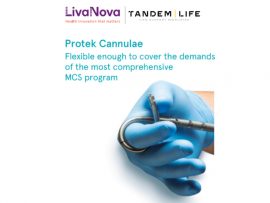
Abstract The ProtekDuo® is a dual lumen cannula that can be used in numerous configurations to treat cardiogenic shock and hypotension. Its default function is as a temporary percutaneous right..
Read More
Abstract Background Fluid overload is a serious complication in the treatment of infants with extracorporeal membrane oxygenation (ECMO). Volume overload leads to prolonged ECMO therapy if left untreated. The renal..
Read More
Abstract Background Transport with extracorporeal membrane oxygenation (ECMO) in the hospital setting can become a challenge as well as in the out-of-hospital setting. In particular, the management of intra-hospital transport..
Read More
Abstract Extracorporeal membrane oxygenation (ECMO), in conjunction with its life-saving benefits, carries a significant risk of acute brain injury (ABI). Hypoxic-ischemic brain injury (HIBI) is one of the most common..
Read More
Abstract Objectives: The CytoSorb therapy in COVID-19 (CTC) registry evaluated the clinical performance and treatment parameters of extracorporeal hemoadsorption integrated with veno-venous extracorporeal membrane oxygenation (VV ECMO) in critically ill COVID-19..
Read More
Abstract Background: Acute myocarditis can result in severe hemodynamic compromise requiring venoarterial extracorporeal membrane oxygenation (VA-ECMO). Outcomes and factors associated with mortality among myocarditis patients are not well described in..
Read More
Abstract Organized patient blood management (PBM) programs function in numerous hospitals and health systems around the world contributing to improved patient outcomes as well as increased patient engagement, decreased resource..
Read More
Abstract Study objective To evaluate the impact of a dynamic arterial elastance guided weaning strategy on the occurrence of (AKI) in with after cardiac surgery. Design A post-hoc analysis of a monocentric . Setting A..
Read More
Abstract Background We used sodium citrate as an alternative anticoagulation agent to heparin in the procedure of autologous blood transfusion with patients with postoperative haemorrhage after CPB. The aim of..
Read More
Abstract Longitudinal assessment of brain perfusion is a critical parameter for neurodevelopmental outcome of neonates undergoing cardiopulmonary bypass procedure. In this study, we aim to measure the variations of cerebral..
Read More
Abstract Wearable technologies are becoming ever more popular as suggested tools for use in modern medicine. Studies evidence their growing pragmatism and provision of objective data for a more informative..
Read More
Abstract Objectives The management of traumatic cardiac injury (TCI) may require a prompt treatment, including the use of cardiopulmonary bypass (CPB) followed by surgical repair. This study evaluated the surgical..
Read More
Abstract Objective This study aims to compare the efficacy and safety of activated recombinant factor VII (rFVIIa) and prothrombin complex concentrate (PCC) in the treatment of bleeding complications following surgery..
Read More