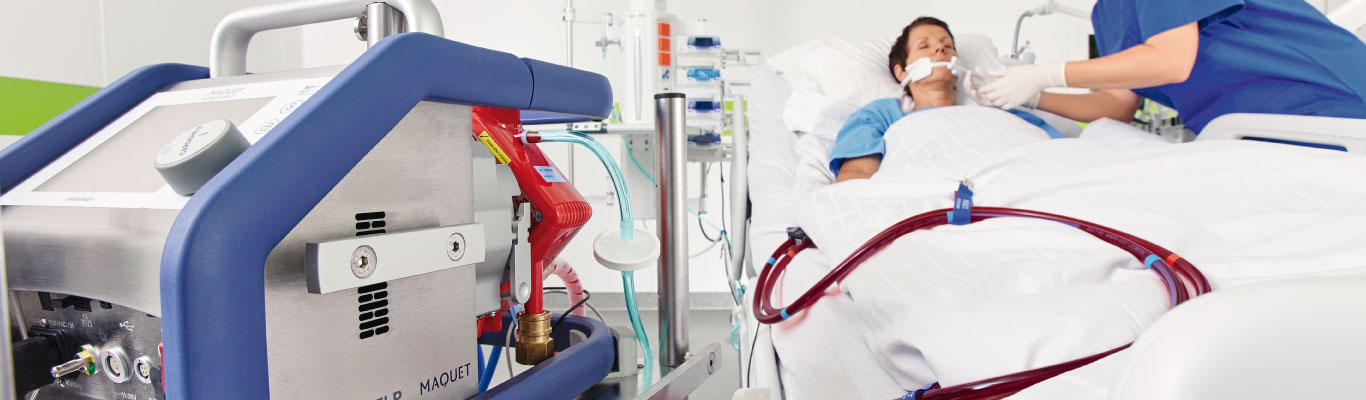

Fever following decannulation from extracorporeal membrane oxygenation (ECMO) poses diagnostic challenges. While infectious causes and thrombosis are typically considered, rare etiologies may be overlooked. We report the case of a 47-year-old woman who developed a high, refractory fever following veno-arterial (va) extracorporeal membrane oxygenation decannulation. Extensive infectious and non-infectious workups failed to identify a definitive cause as cultures, imaging modalities, and inflammatory markers were inconclusive. On post-ECMO day 9 and 23 days after initial admission to the hospital, a gynecological examination was prompted by unexplained unilateral labial edema and prolonged menstruation. Speculum examination revealed a retained menstrual cup embedded in the cervix, causing local inflammation. Following its removal, the patient’s fever rapidly resolved, without the need for further antibiotic escalation. Menstrual cups are generally considered safe, with rare complications such as toxic shock syndrome, pelvic infections, and mechanical injuries. However, in critically ill patients unable to provide a complete history, retained menstrual cups can lead to significant inflammatory responses and diagnostic delays. This case highlights the importance of maintaining a broad differential diagnosis, including gynecological evaluation, in cases of unexplained fever, particularly in critically ill patients.
