
Standardization of In Vitro Evaluation of Extracorporeal Life Support (ECLS) Devices for Research and Development
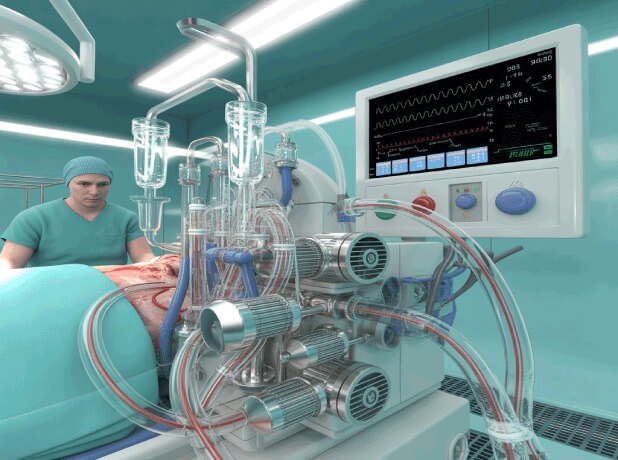

Abstract
Extracorporeal life support (ECLS) technology has witnessed remarkable advancements during the last decades. However, further research and development of devices are required to increase, for example, performance-efficiency, hemocompatibility, and long-term stability. All novel devices, even in early research stages, must undergo rigorous testing and evaluation. Yet, these early evaluations are often conducted under nonstandardized conditions, resulting in data difficult to compare, interpret, or translate into clinical practice. Establishing well-defined, standardized in vitro testing protocols for all ECLS components and devices would represent a major step forward. Such protocols would improve methodological consistency and ensure reproducibility across research groups. This document, developed by an international group of ECLS experts from all disciplines in which such components are designed, developed, and applied, provides clear recommendations and standardized criteria for device testing according to international norms. Adoption of these criteria including the ways of reporting results will foster a unified approach among scientists, engineers, clinicians, and the medical device industry. Ultimately, this common framework will facilitate data interpretation, improve comparability of study results between different groups, making the review of studies more straightforward, as not every aspect of testing requires additional review and discussion, certainly favoring decision-making in the development and application of ECLS technologies.