
Extracorporeal Membrane Oxygenation for Acute Respiratory Failure in a Dog

Abstract
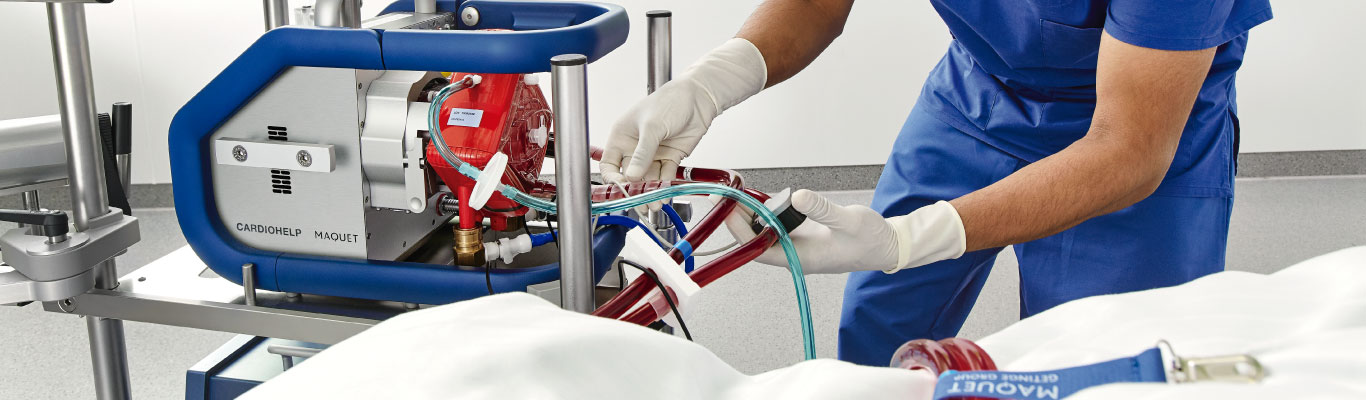
Extracorporeal membrane oxygenation (ECMO), a specialized medical technology that temporarily assumes the function of the heart and lungs, allows the body time to recover from severe respiratory failure. Although widely employed in human medicine, its application in veterinary medicine remains limited. Herein, we describe a 3-year-old dog that developed life-threatening respiratory distress after accidentally inhaling barium. Despite intensive ventilatory support, oxygenation failed to improve. ECMO was initiated as a last-resort measure to stabilize respiration, enabling tracheobronchial lavage despite temporary airway occlusion. Following barium removal and 3 h of support, ECMO was discontinued, and the dog regained consciousness. Unfortunately, neurological symptoms later developed, and the dog died 8 days after treatment owing to suspected brain injury caused by prolonged hypoxia before ECMO was initiated. This case highlights the safe application of ECMO in veterinary medicine as a rescue option in severe respiratory failure. It also emphasizes the ethical, logistical, and time-sensitive nature of decision-making in such critical situations. Even when temporary hypoxia occurs owing to diseases, irreversible organ injury may still prevent survival. Establishing clear guidelines and specialized training for veterinary teams is essential to ensure responsible and effective practices, leading to improved outcomes.