


Abstract Background: Extracorporeal membrane oxygenation (ECMO) is a supportive therapy used in the most severe forms of acute respiratory distress syndrome. Due to its intrinsic complexity and relatively low annual..
Read More
Abstract Background Extracorporeal Membrane Oxygenation (ECMO) therapy for respiratory failure is an increasingly popular modality of support. Patient selection is an important aspect of outcome success. This review assesses the..
Read More
Abstract Background (ECMO) is a resource-intense modality of care whose use has grown exponentially. We examined volume and utilization trends to identify the financial break-even point that might serve to..
Read More
Abstract Purpose To describe bleeding and thrombotic events and their risk factors in patients receiving extracorporeal membrane oxygenation (ECMO) for severe coronavirus disease 2019 (COVID-19) and to evaluate their impact..
Read More
Abstract Background: Primary graft dysfunction remains the leading cause of 30-day mortality after heart transplantation. Few data have been published about the clinical outcome of severe primary graft dysfunction treated..
Read More
Abstract The outcome of patients with coronavirus disease (COVID-19) treated in ICUs is unsatisfying (). Venovenous extracorporeal membrane oxygenation (vvECMO) can serve as a rescue strategy when patients deteriorate during..
Read More
Abstract Introduction: Pediatric extracorporeal membrane oxygenation (ECMO) is a high risk, low-volume technology. Infrequency of this technology and associated complications may translate to unfamiliarity of identification and management of potentially..
Read More
Abstract A retrospective study was performed examining the trend of inflammatory markers, including D-dimers, in 29 COVID-19 patients requiring veno-venous (VV) extracorporeal membrane oxygenation (ECMO) support. We observed that COVID-19..
Read More
Abstract Background Extracorporeal membrane oxygenation (ECMO) has been used extensively for coronavirus disease 2019 (COVID-19)-related acute respiratory distress syndrome (ARDS). Reports early in the pandemic suggested that mortality in patients..
Read More
Abstract Biomarkers of cardiac dysfunction may aid in decision making about organ recovery and optimal timing of separation from extracorporeal membrane oxygenation (ECMO). We conducted a prospective observational study of..
Read More
Abstract Background: The utilization of extracorporeal membrane oxygenation (ECMO) has increased rapidly around the world. Being an overall low-volume high-cost form of therapy, the effectiveness of having care delivered in segregated..
Read More
Abstract Purpose of review Cardiogenic shock is a condition that is characterized by end-organ hypoperfusion secondary to reduced cardiac output, and is associated with substantial mortality. The mainstay of therapy..
Read More
Abstract Bronchovenous (BVF) is a rare complication and can cause arterial gas embolism in vital organs, including the heart and the brain, resulting in a high mortality rate. A 51-year-old man..
Read More
Abstract Background PEEP selection in severe COVID-19 patients under extracorporeal membrane oxygenation (ECMO) is challenging as no study has assessed the alveolar recruitability in this setting. The aim of the..
Read More
Abstract Acute brain injury (ABI) occurs frequently in patients receiving venoarterial extracorporeal membrane oxygenation (VA-ECMO). We examined the association between peri-cannulation arterial carbon dioxide tension (PaCO2) and ABI with granular..
Read More
Abstract Introduction Advanced age is a known risk factor for poor outcomes after veno-arterial extracorporeal membrane oxygenation (V-A ECMO) for cardiac support. The use of ECMO support in patients over..
Read More
Abstract Background Research evaluating hemostatic agents for the treatment of clinically significant bleeding has been hampered by inconsistency and lack of standardized primary clinical trial outcomes. Clinical trials of hemostatic..
Read More
Abstract We aimed to evaluate the outcomes of post‑traumatic acute respiratory distress syndrome (ARDS)in young patients with and without Extracorporeal membrane oxygenation (ECMO) support. A retrospective analysis was conducted for..
Read More
Abstract Background: The benefit of extracorporeal membrane oxygenation (ECMO) for patients with severe acute respiratory distress from coronavirus disease 2019 refractory to medical management and lung-protective mechanical ventilation has not been..
Read More
Abstract Objective: Extracorporeal membrane oxygenation (ECMO) use in adult patient populations has grown rapidly with wide variation in practices and outcomes. We evaluated the impact on patient outcomes, resource use, and..
Read More
Abstract Objectives Extracorporeal membrane oxygenation (ECMO) involves complex coagulation management and frequent hemostatic complications. ECMO practice between centers is variable. To compare results between coagulation studies, standardized definitions and clear..
Read More
Abstract Purpose Venoarterial (VA ECMO) effectively supports refractory (rCS), and sustains macro- and . We investigated the respective impact of increasing VA ECMO flow or dose on microcirculation in stabilized VA ECMO–treated patients with..
Read More
Abstract Introduction: Patients receiving extracorporeal membrane oxygenation (ECMO) often require renal replacement therapy (RRT). The challenge of inserting a dialysis catheter (DC) could be solved by direct connection of RRT lines..
Read More
Abstract Background During extracorporeal life support (ECLS), bleeding is one of the most frequent complications, associated with high morbidity and increased mortality, despite continuous improvements in devices and patient care...
Read More
Abstract This systematic review summarizes the major developments in extracorporeal membrane oxygenation (ECMO) circuitry in pediatrics over the past 20 years and demonstrates the impacts of those developments on clinical..
Read More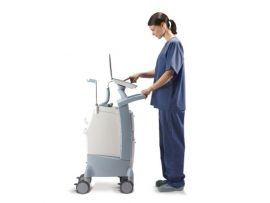
Abstract An editorial published in April 2022 discusses the benefits and pitfalls of veno-arterial extracorporeal membrane oxygenation (VA-ECMO) combined with intra-aortic balloon pumps (IABP) to manage CS. The complete manuscript,..
Read More
Abstract The use of venoarterial extracorporeal membrane oxygenation (VA-ECMO) following acute myocardial infarction with cardiogenic shock (AMI-CS) is increasing, but the ability to predict favorable outcomes with support remains limited...
Read More
Abstract Although mechanical circulatory support (MCS) has been used to support patients with cardiogenic shock (CS) for many years, recent advances in device technology, together with the lackluster performance of..
Read More
Abstract Introduction In peripheral percutaneous (VA) extracorporeal membrane oxygenation (ECMO) procedures the femoral arteries perfusion route has inherent disadvantages regarding poor upper body perfusion due to watershed. With the advent..
Read More
Abstract Introduction Although extracorporeal membrane oxygenation (ECMO) has been associated with improved outcomes in COVID patients with respiratory failure, data regarding the need for blood product utilization in this population..
Read More