


Abstract The present study aimed to assess the changes in the immunological parameters of patients undergoing cardiac surgery with cardiopulmonary bypass (CPB). The serum or plasma samples of patients were..
Read More
Abstract Background Postoperative morbidity and mortality after cardiac surgery with (CPB) remain high despite recent advances in both anesthesia and perioperative management. Among modifiable risk factors for , optimal during and after surgery..
Read More
Abstract A hypoxic–hyperoxic preconditioning (HHP) may be associated with cardioprotection by reducing endothelial damage and a beneficial effect on postoperative outcome in patients undergoing cardiac surgery with cardiopulmonary bypass (CPB)...
Read More
Curious about why we chose to develop a video game instead of a mere online simulator? We receive this question frequently, so let us share with you a few compelling..
Read More
Your Ultimate Guide to Get to Know virCPB Welcome to the world of virCPB, where education meets gaming to revolutionize the way perfusion students and perfusionists train and master their..
Read More
Abstract OBJECTIVE: Measuring fluid responsiveness is important in the management of critically ill patients, with a 10–15% change in cardiac output typically being used to indicate “fluid responsiveness.” Ideally, these changes would..
Read More
Abstract During a cardiopulmonary bypass (CPB) procedure using a heart-lung machine, the volume of blood inside the venous reservoir is a crucial piece of information for the perfusionist to make..
Read More
Abstract Introduction Acute lung injury (ALI) is a devastating pulmonary illness with diffuse inflammatory responses. Hydromorphone (Hyd) is an opioid agonist used for relieving moderate-to-severe pain. The present work investigated the..
Read More
Abstract Objective To identify potentially modifiable risk factors related to prolonged cardiovascular pharmacological support after weaning from cardiopulmonary bypass (CPB). Methods This is a secondary analysis of two prospective cohort..
Read More
Abstract Pediatric Literature As the practice of ultrafiltration arose from pediatric cardiac surgery, much of the evidence to support MUF is from low-powered pediatric studies. Some early, single-center literature, as..
Read More
Abstract Hemodilution and Volume Overload The use of CPB necessitates priming of the CPB circuit, which is typically accomplished using 1-to-2 liters of a crystalloid solution. In addition, 1-to-3 liters..
Read More
Abstract Background Major cardiac surgery related blood loss is associated with increased postoperative morbidity and mortality. Platelet dysfunction is believed to contribute to post-cardiopulmonary bypass (CPB)-induced microvascular bleeding. We hypothesised..
Read More
Abstract Extracorporeal circulation (ECC) procedures, such as cardiopulmonary bypass (CPB) and extracorporeal membrane oxygenation (ECMO), take over the function of one or more organs, providing clinicians time to treat underlying pathophysiological..
Read More
Abstract The advantages and disadvantages of using corticosteroids in children undergoing cardiac surgery is still contentious. To examine how perioperative corticosteroids affect postoperative mortality and clinical outcomes in pediatric cardiac..
Read More
Abstract Objective: We aim to comprehensively describe the transcriptional activity and signaling of pulmonary parenchymal and immune cells before and after cardiopulmonary bypass (CPB) by using a multi-omic approach coupled..
Read More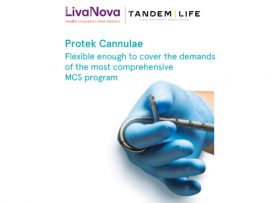
Abstract The ProtekDuo® is a dual lumen cannula that can be used in numerous configurations to treat cardiogenic shock and hypotension. Its default function is as a temporary percutaneous right..
Read More
Abstract Background We used sodium citrate as an alternative anticoagulation agent to heparin in the procedure of autologous blood transfusion with patients with postoperative haemorrhage after CPB. The aim of..
Read More
Abstract Objectives The management of traumatic cardiac injury (TCI) may require a prompt treatment, including the use of cardiopulmonary bypass (CPB) followed by surgical repair. This study evaluated the surgical..
Read More
Abstract Objective This study aims to compare the efficacy and safety of activated recombinant factor VII (rFVIIa) and prothrombin complex concentrate (PCC) in the treatment of bleeding complications following surgery..
Read More
Abstract Background Cardiac transplants increasingly occur following placement of ventricular assist devices (VADs). A strong association exists between human leukocyte antigen (HLA) sensitization and VAD placement; however, desensitization protocols that..
Read More
Abstract BACKGROUND: Intraoperative inflammation may contribute to postoperative neurocognitive disorders after cardiac surgery requiring cardiopulmonary bypass (CPB). However, the relative contributions of general anesthesia (GA), surgical site injury, and CPB..
Read More
Abstract Macrophage migration inhibitory factor (MIF) is a proinflammatory cytokine released in response to glucocorticoids, which counter-regulates the effects of glucocorticoids. This study was performed to determine the impact of steroids..
Read More
Abstract Introduction Bloodless cardiac surgery refers to open-heart surgery without blood or blood products. The cardiopulmonary bypass (CPB) circuits are primed with crystalloid solely, and there is no intraoperative blood..
Read More
Abstract Background: Cardiovascular perfusion is a dynamic healthcare profession where new practices are frequently introduced. Despite the emergence of evidence-based clinical practice guidelines, little is known about their dissemination at..
Read More
Abstract Objective This study aims to examine the impact of preoperative fibrinogen concentration on the short-term outcomes and hospital length of stay (LOS) of patients undergoing Coronary Artery Bypass Grafting..
Read More
Abstract Objective The aortic-to-radial arterial pressure gradient is described during and after cardiopulmonary bypass (CPB), and can lead to underestimating arterial blood pressure. The authors hypothesized that central arterial pressure..
Read More
Abstract Study Objective: To investigate whether large volume acute normovolemic (L-ANH), compared with moderate acute normovolemic (M-ANH), can reduce perioperative allogeneic with intermediate-high risk of transfusion during cardiac surgery with (CPB). Design: Prospective . Setting:..
Read More
Abstract Objectives Previous studies have described impaired after (CPB). Whether this is still valid in contemporary cardiac surgery is unclear. This study aimed to quantify changes in function and number of platelets..
Read More
Abstract Objective This study was aimed to elucidate the effect of the intraoperative cell saver (CS) on hyperlactatemia of patients who underwent cardiac surgery. Design A sub-analysis of the CS..
Read More
Abstract Objectives: Cardiopulmonary bypass (CPB) induces inflammatory homeostasis dysregulation, closely related to many postoperative adverse effects. Minimizing the systemic inflammatory response to CPB is imperative to improving cardiac surgery safety...
Read More