


Abstract Introduction Veno-arterial extracorporeal membrane oxygenation (V-A ECMO) improves end-organ perfusion in cardiogenic shock but may increase afterload, which can limit cardiac recovery. Left ventricular (LV) unloading strategies may aid..
Read More
Abstract The utilization of temporary mechanical circulatory support (tMCS) has increased significantly over the last 40 years for stabilization of salvageable patients; however, there has not been much improvement in..
Read More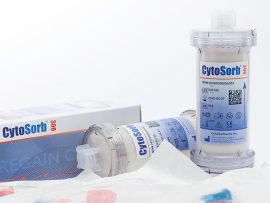
Abstract Background: The purpose of this investigation was to evaluate the impact of venoarterial extracorporeal membrane oxygenation (VA–ECMO) integrated hemoadsorption on the reversal of multiorgan and microcirculatory dysfunction, and early..
Read More
Abstract Objective Although (ECLS) has increasingly been used for the of patients with (CS), the outcomes of those successfully weaned from support remain poorly defined. Methods Of 510 venoarterial ECLS CS patients at..
Read More
Abstract Background Reliable predictors of outcomes in venoarterial extracorporeal membrane oxygenation (VA-ECMO) therapy are limited. While elevated lactate levels over time have been linked to outcomes in cardiogenic shock (CS),..
Read More
Abstract Venoarterial extracorporeal membrane oxygenation (VA-ECMO) shunts venous blood to the systemic arterial circulation to provide end-organ perfusion while increasing afterload that may impede left ventricle (LV) ejection and impair..
Read More
Abstract BACKGROUND The effects of temporary mechanical circulatory support with a microaxial flow pump on mortality among patients with ST-segment elevation myocardial infarction (STEMI) complicated by cardiogenic shock remains unclear...
Read More
Abstract Purpose: Venoarterial extracorporeal membrane oxygenation (V-A ECMO) can be used to support severely ill patients with cardiogenic shock. While age is commonly used in patient selection, little is known..
Read More
Abstract Veno-arterial extracorporeal membrane oxygenation (VA-ECMO) is a powerful hemodynamic support strategy for patients with cardiogenic shock and out-of-hospital cardiac arrest (OHCA). Given that significant proportions of patients presenting with..
Read More
Abstract The use of extracorporeal membrane oxygenation (ECMO) to support patients with cardiac arrest, cardiogenic shock, and acute respiratory distress syndrome is rising worldwide.1 While ECMO may save the lives of..
Read More
Abstract Veno-arterial extracorporeal membrane oxygenation (V-A ECMO) is increasingly used to treat refractory cardiogenic shock, despite randomized clinical trials reporting no difference in outcomes., Although traditional ECMO pumps maintain a constant flow..
Read More
Abstract Cardiogenic shock (CS) is a critical clinical syndrome characterized by inadequate tissue perfusion and oxygen delivery resulting from severe heart dysfunction, leading to multi-organ failure. Diagnostic criteria include hypoperfusion..
Read More
Abstract Background Monitoring fluid therapy is challenging in patients assisted with Veno-arterial ECMO. The aim of our study was to evaluate the usefulness of capillary refill time to assess the..
Read More
Abstract Background The present article describes three cases of patients in cardiogenic shock (CS) with previous cardiac surgery that made them initially inoperable. Perioperative support with veno-arterial extracorporeal membrane oxygenation..
Read More
Abstract Background The efficacy of extracorporeal membrane oxygenation (ECMO) as a bridge to left ventricular assist device (LVAD) remains unclear, and recipients of the more contemporary HeartMate 3 (HM3) LVAD..
Read More
Abstract Purpose: The outcomes of immunocompromised patients with cardiogenic shock treated with venoarterial extra‑corporeal membrane oxygenation (VA‑ECMO) are seldom documented, making ECMO candidacy decisions challeng‑ing. This study aims (1) to..
Read More
Abstract Background This study examines the role of extracorporeal life support flow in the development of acute kidney injury in cardiogenic shock. Methods We performed a retrospective analysis of 465..
Read More
Abstract Background Out-of-hospital cardiac arrest (OHCA) remains a frequent medical emergency with low survival rates even after a return of spontaneous circulation (ROSC). Growing evidence supports formation of dedicated teams..
Read More
Introduction Extracorporeal membrane oxygenation (ECMO) is increasingly used for circulatory or pulmonary support not only in-hospital but also out-of-hospital. Small dimensions and a lightweight design are important, especially for out-of-hospital..
Read More
Abstract Cardiogenic shock (CS) is a complex and life‐threatening condition characterized by a sudden and profound reduction in cardiac output, leading to inadequate tissue perfusion and oxygen delivery and organ..
Read More
Abstract National trends show rapid increases in the use of mechanical circulatory support devices (MCSD) over the last 20 years. While current literature has not proven a mortality benefit in..
Read More
Abstract Purpose: Venoarterial extracorporeal membrane oxygenation (V-A ECMO) can be used to support severely ill patients with cardiogenic shock. While age is commonly used in patient selection, little is known..
Read More
Abstract Left ventricular (LV) unloading has been shown to improve survival for patients requiring veno-arterial extracorporeal membrane oxygenation (VA ECMO) support for cardiogenic shock. A mortality benefit has been shown..
Read More
Abstract Background There is considerable debate about the hemodynamic effects of veno-arterial extracorporeal membrane oxygenation (VA-ECMO). Aims To evaluate the changes in left ventricular (LV) function, volumes, and work in..
Read More
Abstract Topic The growing use of acute mechanical circulatory support devices to provide hemodynamic support that has accompanied the increasing prevalence of heart failure and cardiogenic shock, despite significant improvement..
Read More
Abstract Background Venoarterial extracorporeal membrane oxygenation (ECMO) provides full hemodynamic support for patients with cardiogenic shock, but optimal timing of ECMO initiation remains uncertain. We sought to determine whether earlier..
Read More
Abstract Peripheral venoarterial extracorporeal membrane oxygenation (VA-ECMO) is increasingly being used in patients suffering from refractory cardiogenic shock (CS). Although considered life-saving, peripheral VA-ECMO may also be responsible for intracardiac..
Read More
Abstract Long-term neuropsychiatric symptoms as well as neurologic and functional impairment are common in patients who receive extracorporeal membrane oxygenation (ECMO) support, results of a new meta-analysis showed. More than..
Read More
Abstract Purpose: Cardiogenic shock is associated with high mortality. In refractory shock, it is unclear if mechanical circulatory support (MCS) devices improve survival. We conducted a network meta-analysis to determine..
Read More
Abstract Background The present article describes three cases of patients in cardiogenic shock (CS) with previous cardiac surgery that made them initially inoperable. Perioperative support with veno-arterial extracorporeal membrane oxygenation..
Read More