


Abstract Titanium alloys have traditionally been used in blood-contacting cardiovascular devices, including left ventricular assist devices (LVADs). However, titanium surfaces are susceptible to adverse coagulation, leading to thrombogenesis and stroke...
Read More
Abstract The objective of this study was to assess the diagnostic value of plasma neutrophil gelatinase-associated lipocalin (pNGAL) for the early diagnosis of acute kidney injury (AKI) in adult patients..
Read More
Abstract Objective The study aims were to evaluate current blood transfusion practice in cardiac surgical patients and to explore associations between preoperative anemia, body mass index (BMI), red blood cell..
Read More
Abstract Objectives To evaluate the clinical outcomes and perioperative complications associated with complete percutaneous decannulation of femoral venoarterial extracorporeal membrane oxygenation (VA-ECMO) with the MANTA closure device. Methods This is..
Read More
Abstract Objectives The safe ischemic time after a single-dose del Nido cardioplegia (DNC) infusion has not yet been established. This study evaluated the progression of myocardial ischemic injury to establish the safe ischemic time after a single-dose DNC..
Read More
Abstract Severe congenital Factor XI (FXI) deficiency (<20% normal activity) can be associated with significant bleeding disorders, and there has been great concern for severe bleeding following cardiac surgery requiring..
Read More
Abstract Acute Respiratory Distress Syndrome (ARDS) accounts for 10% of ICU admissions and affects 3 million patients each year. Despite decades of research, it is still associated with one of..
Read More
Abstract Background Coronary artery bypass grafting (CABG) without cardiopulmonary bypass and minimal or no aortic manipulation may be associated with a lower risk of neurological complications. We investigated this issue in patients with a..
Read More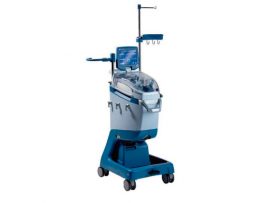
Abstract Obstetric hemorrhage is the leading cause of maternal mortality globally, especially in China. The key to a successful rescue is immediate and rapid blood transfusion. Autotransfusion has become an..
Read More
Abstract Background The Society of Thoracic Surgeons (STS) Adult Cardiac Surgery Database (ACSD) is the largest cardiac surgical database in the world. Linked data from STS ACSD and the Centers..
Read More
Abstract Background Cardiac surgery studies have established the clinical relevance of personalised arterial blood pressure management based on cerebral autoregulation. However, variabilities exist in autoregulation evaluation. We compared the association..
Read More
Abstract The UK is one of the few countries in the world with national registries that record key statistics across a broad range of cardiovascular disorders. The British Cardiovascular Society..
Read More
Abstract Venoarterial extracorporeal membrane oxygenation (VA ECMO) has been increasingly applied in patients with cardiogenic shock in recent years. Nevertheless, many patients cannot be successfully weaned from VA ECMO support..
Read More
Abstract Identify complications related to extracorporeal membrane oxygenation in the literature and map the nursing diagnoses in the face of this problem. Methodology: An integrative review study with a descriptive..
Read More
Abstract BACKGROUND: Volatile anesthetics have been historically preferred for cardiac anesthesia, but the evidence for their superiority to intravenous agents is mixed. We conducted a survey to better understand the..
Read More
Abstract Background: Extracorporeal membrane oxygenation (ECMO) is a supportive therapy used in the most severe forms of acute respiratory distress syndrome. Due to its intrinsic complexity and relatively low annual..
Read More
Abstract Background Extracorporeal Membrane Oxygenation (ECMO) therapy for respiratory failure is an increasingly popular modality of support. Patient selection is an important aspect of outcome success. This review assesses the..
Read More
Abstract Introduction During cardiopulmonary bypass (CPB), supranormal concentrations of oxygen are routinely administered with the intention to prevent cellular hypoxia. However, hyperoxemia may have adverse effects on patient outcome. Oxygen..
Read More
Abstract Background We investigated the effects of frozen elephant trunk (FET) implantation on clinical outcomes in patients with acute type A aortic dissection (ATAAD) extending into the renal artery (RA)...
Read More
Abstract Background This study aimed to investigate the safety of direct innominate arterial (IA) cannulation using a pediatric arterial cannula to establish selective antegrade cerebral perfusion (ACP) during total arch..
Read More
Abstract The use of temporary mechanical circulatory support in cardiogenic shock has increased dramatically despite a lack of randomized controlled trials or evidence guiding clinical decision-making. Recommendations from professional societies..
Read More
Abstract Background (ECMO) is a resource-intense modality of care whose use has grown exponentially. We examined volume and utilization trends to identify the financial break-even point that might serve to..
Read More
Abstract Purpose To describe bleeding and thrombotic events and their risk factors in patients receiving extracorporeal membrane oxygenation (ECMO) for severe coronavirus disease 2019 (COVID-19) and to evaluate their impact..
Read More
Abstract Background: Primary graft dysfunction remains the leading cause of 30-day mortality after heart transplantation. Few data have been published about the clinical outcome of severe primary graft dysfunction treated..
Read More

Abstract The outcome of patients with coronavirus disease (COVID-19) treated in ICUs is unsatisfying (). Venovenous extracorporeal membrane oxygenation (vvECMO) can serve as a rescue strategy when patients deteriorate during..
Read More
Abstract About 15 years ago, Patient Blood Management (PBM) emerged as a new paradigm in perioperative medicine and rapidly found support of all major medical societies and government bodies. Blood..
Read More
Abstract Perfluorocarbons are oxygen-carrying, dense liquids initially intended for the use in partial or total liquid ventilation of patients with severe acute respiratory distress syndrome but which did not show beneficial effects in clinical studies...
Read More
Abstract Objectives: Out-of-hospital cardiac arrest (OHCA) is associated with excessively high mortality rates. Recent studies suggest benefits from extracorporeal cardiopulmonary resuscitation (ECPR) performed in selected patients. We sought to present..
Read More
Abstract Cardiovascular disease, which accounts for nearly one-third of deaths globally, is a great threat to human life and health. To improve global health and advance the progression of cardiovascular..
Read More