


Abstract Aims To investigate the association between the timing of cardiac surgery during pregnancy and both maternal and foetal outcomes. Methods and results Studies published up to 6 February 2021..
Read More
Abstract Introduction: Pediatric extracorporeal membrane oxygenation (ECMO) is a high risk, low-volume technology. Infrequency of this technology and associated complications may translate to unfamiliarity of identification and management of potentially..
Read More
Abstract Cardiac surgery-associated acute kidney injury (CS-AKI) is common and is associated with increased risk for postoperative morbidity and mortality. Our recent survey of the Society of Cardiovascular Anesthesiologists (SCA)..
Read More
ECPR2: Expert Consensus on Percutaneous Cannulation for Extracorporeal CardioPulmonary Resuscitation
Abstract Aim Extracorporeal cardiopulmonary resuscitation (ECPR) has emerged as a promising resuscitation strategy for select patients suffering from refractory out-of-hospital cardiac arrest (OHCA), though limited data exist regarding the best..
Read More
Abstract Intra-aortic balloon pump (IABP) technology is an established treatment modality for patients with acute cardiac failure. Advances in IABP technology have simplified use and reliability such that electromechanical malfunctions..
Read More
Abstract A retrospective study was performed examining the trend of inflammatory markers, including D-dimers, in 29 COVID-19 patients requiring veno-venous (VV) extracorporeal membrane oxygenation (ECMO) support. We observed that COVID-19..
Read More

Abstract Particulate and gaseous microemboli (GME) are side effects of cardiac surgery that interfere with postoperative recovery by causing endothelial dysfunction and vascular blockages. GME sources during surgery are multiple,..
Read More
Abstract Objective Efforts to study morbidity and mortality conferences (M&MC) are hampered by the lack of rigorous instruments to assess the effectiveness of the conferences for the purpose of quality..
Read More
Abstract Background Extracorporeal membrane oxygenation (ECMO) has been used extensively for coronavirus disease 2019 (COVID-19)-related acute respiratory distress syndrome (ARDS). Reports early in the pandemic suggested that mortality in patients..
Read More
Abstract Midway through the 20th century, direct open-heart operations were not yet a reality, awaiting safe methods to support the during cardiac surgery. The scientific advancements collectively leading to safe are considered..
Read More
Abstract Oxygen is needed to generate aerobic adenosine triphosphate and energy that is required to support vital cellular functions. Oxygen delivery (DO2) to the tissues is determined by convective and..
Read More
Abstract Biomarkers of cardiac dysfunction may aid in decision making about organ recovery and optimal timing of separation from extracorporeal membrane oxygenation (ECMO). We conducted a prospective observational study of..
Read More
Abstract Background: The utilization of extracorporeal membrane oxygenation (ECMO) has increased rapidly around the world. Being an overall low-volume high-cost form of therapy, the effectiveness of having care delivered in segregated..
Read More
Abstract Acute kidney injury (AKI) is common after cardiac surgery. To date, there are no specific pharmacological therapies. In this review, we summarise the existing evidence for prevention and management..
Read More
Abstract Background Current practice guidelines for red blood cell (RBC) transfusion in ICUs are based on haemoglobin threshold, without consideration of oxygen delivery or consumption. We aimed to evaluate an..
Read More
Abstract This approach is based on subcutaneous administration of low-molecular-weight heparin (LMWH) 3 times a day, paired with antifactor Xa (anti-Xa) assay monitoring, 3 times a day, each sample equidistant..
Read More
Abstract Purpose of review Cardiogenic shock is a condition that is characterized by end-organ hypoperfusion secondary to reduced cardiac output, and is associated with substantial mortality. The mainstay of therapy..
Read More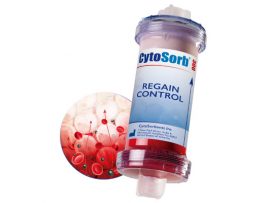
Abstract Background Complex cardiac surgery and prolonged cardiopulmonary bypass are associated with significant activation of the systemic inflammatory response system. Pro-inflammatory cytokines, oxygen free radicals and complement activation products contribute..
Read More
Abstract Importance In children undergoing heart surgery, nitric oxide administered into the gas flow of the cardiopulmonary bypass oxygenator may reduce postoperative low cardiac output syndrome, leading to improved recovery and..
Read More
Abstract Bronchovenous (BVF) is a rare complication and can cause arterial gas embolism in vital organs, including the heart and the brain, resulting in a high mortality rate. A 51-year-old man..
Read More
Abstract Background PEEP selection in severe COVID-19 patients under extracorporeal membrane oxygenation (ECMO) is challenging as no study has assessed the alveolar recruitability in this setting. The aim of the..
Read More
Abstract Background A meta-analysis of randomized controlled trials was recently published in BMC Surgery that compared the use of human albumin with 6% hydroxyethyl starches 130/0.4 for cardiopulmonary bypass prime..
Read More
Abstract Background Ever since COVID-19 was declared a pandemic, the world medical landscape has changed dramatically. As cardiac surgeons we not only have the duty to protect our patients and..
Read More
Abstract Acute brain injury (ABI) occurs frequently in patients receiving venoarterial extracorporeal membrane oxygenation (VA-ECMO). We examined the association between peri-cannulation arterial carbon dioxide tension (PaCO2) and ABI with granular..
Read More
Abstract Background Extracorporeal circulation (ECC) is now being increasingly used in critical care settings. Epileptic seizures are a recognized but under reported complication in patients receiving this care. Acute symptomatic post-operative..
Read More
Abstract Introduction Advanced age is a known risk factor for poor outcomes after veno-arterial extracorporeal membrane oxygenation (V-A ECMO) for cardiac support. The use of ECMO support in patients over..
Read More
Abstract Factor XII (FXII) deficiency is a congenital disorder inherited as an autosomal recessive condition. In his heterozygous form, it is relatively common in the general population. However, a total..
Read More
Abstract Background Thrombocytopenia (platelet count below 150 x 103/μL) is a common finding after open-heart surgery and can lead to various complications, including patient death. This study aimed to determine..
Read More
Abstract Background Brain injury and neurodevelopmental impairment remain a concern in children with complex congenital heart disease (CHD). A practice guideline on neuromonitoring, neuroimaging, and neurodevelopmental follow-up in CHD patients..
Read More