
In this section, you will find a variety of informative videos about cannulation in cardiac surgery and aspects of CPB by our collaborator Asif Mushtaq.


1. Introduction Cardiopulmonary bypass (CPB) leads to pronounced hemodilution and provokes a systemic inflammatory response from blood interaction with artificial surfaces (Ziyaeifard et al., 2014) (, ). Ultrafiltration (UF) mitigates these effects..
Read More
Introduction Hemophilia is a hereditary bleeding disorder caused by deficiency of clotting factor VIII (Hemophilia A) or factor IX (Hemophilia B), resulting in impaired blood coagulation and a heightened risk..
Read More
1. Introduction Sickle Cell Disease (SCD) is a chronic, inherited blood disorder resulting from a single point mutation in the β-globin gene. This mutation leads to the production of hemoglobin..
Read More
In modern cardiac surgery, cardiopulmonary bypass (CPB) plays a life-saving role. It allows the heart to be stopped safely while the body is perfused with oxygenated blood. However, it’s a..
Read More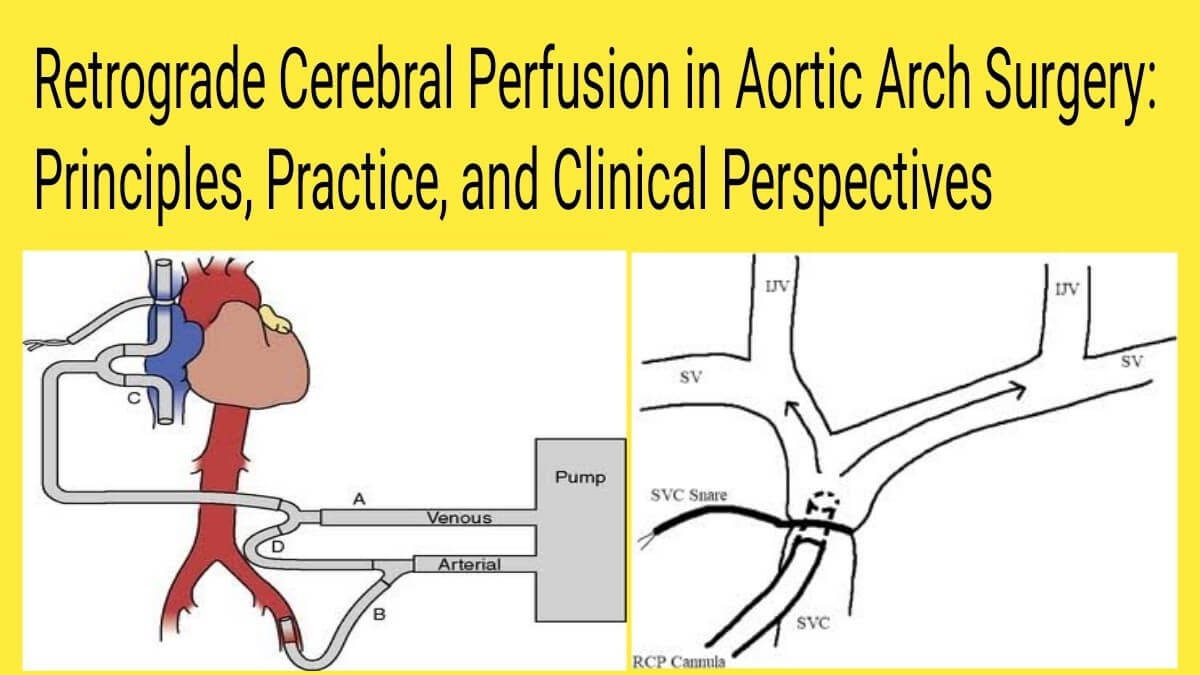
1. Introduction Cerebral protection is a cornerstone of successful aortic arch surgery, where the brain is highly vulnerable during periods of circulatory arrest. While deep hypothermic circulatory arrest (DHCA) alone..
Read More
1. Introduction Aortic arch surgery presents significant neurologic risks due to the potential for cerebral ischemia during circulatory arrest. Traditional methods such as deep hypothermic circulatory arrest (DHCA) provided limited..
Read More
Introduction: More Than Just a Tube In the world of cardiopulmonary bypass (CPB), the arterial cannula is far more than a simple conduit for blood flow. Every feature—from the shape..
Read More
In the complex world of cardiopulmonary bypass (CPB), where precision, safety, and efficiency govern every aspect of patient care, the significance of flow dynamics cannot be overstated. While the primary..
Read More
Introduction Splanchnic perfusion refers to the blood flow through the splanchnic circulation, which supplies the gastrointestinal organs including the stomach, intestines, liver, pancreas, and spleen. Maintaining adequate splanchnic blood flow..
Read More
Introduction The heart is nature’s pulsatile pump, delivering rhythmic surges of blood critical not only for oxygen transport but also for maintaining vascular health. Cardiopulmonary bypass, a lifesaving intervention, often..
Read More