
Bridge to transplant using a flow-adaptive extracorporeal total artificial lung system following bilateral pneumonectomy

Abstract
Background
Severe acute respiratory distress syndrome (ARDS) complicated by necrotizing pneumonia and septic shock carries a mortality exceeding 80%. Lung transplantation is rarely pursued because persistent sepsis, uncertainty regarding the reversibility of parenchymal injury, and profound hemodynamic instability preclude candidacy.
Methods
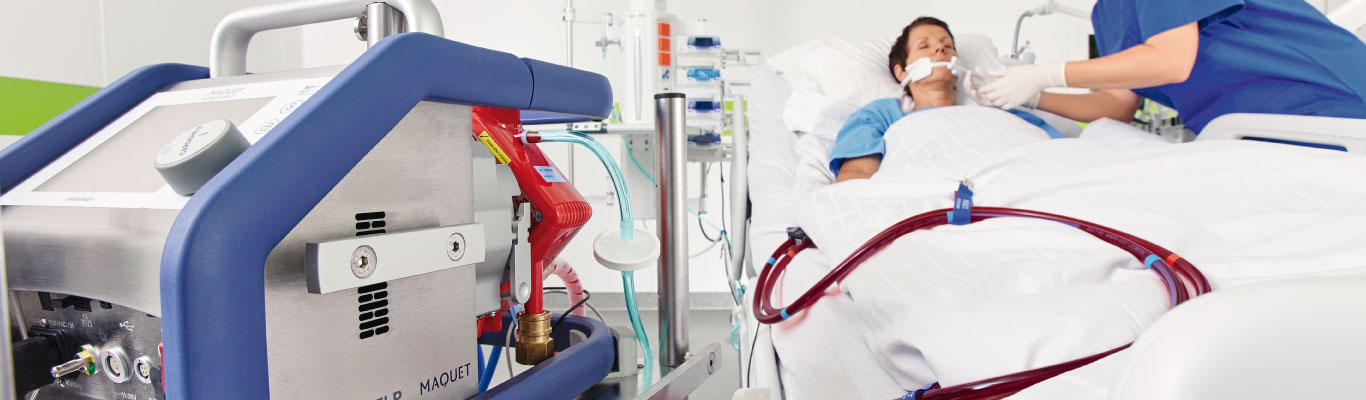
We developed an extracorporeal total artificial lung (TAL) system to enable bilateral pneumonectomy for source control in a patient with ARDS complicated by necrotizing pneumonia and refractory septic shock. The system incorporated a flow-adaptive right pulmonary artery-to-right atrial shunt to compensate for loss of pulmonary vascular capacitance, extracorporeal oxygenation, and dual left atrial return conduits to maintain physiologic transcardiac blood flow. In parallel, we performed single-cell and spatial transcriptomic profiling of the explanted lungs to define associated cellular and molecular changes.
Findings
Following pneumonectomy, vasopressor requirements resolved, and the patient remained fully supported until transplant. Transcriptomic profiling revealed diffuse, uniform destruction across all regions, with dense infiltration by neutrophils, monocyte-derived alveolar macrophages, and activated T cells. These inflammatory changes coexisted with marked expansion of aberrant basaloid epithelial cells and CTHRC1-positive myofibroblasts, with near-complete loss of normal alveolar architecture. Molecular signatures recapitulated end-stage fibrotic lung disease and were consistent with irreversible injury rather than a recoverable ARDS phenotype. The patient demonstrates excellent cardiopulmonary function 2 years after transplantation.
Conclusions
An extracorporeal TAL system can permit safe bilateral pneumonectomy for source control in otherwise non-transplantable patients with medically refractory pneumonia, providing a viable salvage strategy to bridge selected patients to successful lung transplantation.