


Abstract Upper-body peripheral arterial return is used during veno-arterial extracorporeal membrane oxygenation (VA-ECMO), but its clinical tradeoffs versus femoral return are uncertain. We reviewed observational studies comparing upper-body to femoral..
Read More
Abstract Introduction Neurocognitive impairments are frequent in congenital heart disease. The Boston Circulatory Arrest Study (BCAS) is a randomized trial comparing the developmental and neurological outcomes of newborns born with..
Read More
Abstract In Japan, the average waiting time for deceased-donor lung transplantation exceeds 900 days, and living-donor lung transplantation (LDLT) has been performed in a certain number of patients who are..
Read More
Abstract Introduction Tetralogy of Fallot (TOF) is the most common cyanotic heart disease (CHD). The associated cardiac abnormalities disrupt oxygenation and depending on disease severity, infants with TOF syndrome are..
Read More
Abstract Background The relationship between rewarming rate during cardiopulmonary bypass (CPB) and postoperative delirium (POD) in cardiac surgery remains unclear. This retrospective study aimed to evaluate whether rapid rewarming is..
Read More
Abstract Objectives Anticoagulation during extracorporeal membrane oxygenation (ECMO) remains challenging. Direct thrombin inhibitors such as argatroban are increasingly proposed as alternatives to unfractionated heparin (UFH). We sought to characterize the..
Read More
Abstract Rheumatic heart disease (RHD) remains a significant public health challenge in Latin America, disproportionately affecting vulnerable populations despite global declines in disease prevalence and mortality. It is known that..
Read More
Abstract Introduction Blood lactate level (LL) is a useful predictor of physiological issues during extracorporeal circulation (ECC) treatment. To determine variations in LL depending on the hemocompatible coatings used for..
Read More
Abstract OBJECTIVE Vasoactive-inotropic scores (VIS) are used as predictors of outcome in pediatric and adult patients with cardiogenic shock undergoing cardiac surgery. VIS is calculated by combining the doses of..
Read More
Abstract Severe acute respiratory distress syndrome (ARDS) is associated with substantial morbidity and mortality ranging from 37 to 44%. Although extracorporeal membrane oxygenation (ECMO) is often indicated in ARDS, it..
Read More
Abstract Background Considerable variability persists in coagulation management during cardiopulmonary bypass (CPB) supported cardiac surgery. This survey aimed to describe contemporary reported practices across international settings. Methods A cross-sectional, web-based..
Read More
Abstract Thrombus on implants is dangerous, necessitating anticoagulant coatings for most of blood-contacting devices with various substances. So far, there is no universal strategy of the pertinent surface modification for..
Read More
Abstract Background The clinical significance of ECMO liberation before heart transplantation remains poorly defined. Objectives To identify predictors of pre-transplant ECMO liberation and evaluate its association with 1-year post-transplant survival...
Read More
Abstract Background: Multisystem inflammatory syndrome in children (MIS-C) is a relatively rare complication of COVID-19, with frequent cardiovascular involvement, in terms of pericarditis, valvulitis, coronary aneurysms, and myocardial dysfunction/cardiogenic shock...
Read More
Abstract Post–myocardial infarction (PMI) ventricular septal defect (VSD) repair is associated with high mortality., The pathophysiology varies based on the size of the infarction and the VSD, which results in..
Read More
Abstract First described in 1926 by Erik von Willebrand as hereditary pseudohemophilia, von Willebrand disease (vWD) is now recognized as the most common inherited bleeding disorder worldwide, with an estimated..
Read More
Abstract Cerebral arterial gas embolism (CAGE) is an uncommon but potentially catastrophic complication of cardiothoracic surgery, extracorporeal circulation, mechanical circulatory support, and catheter-based cardiac interventions. During these procedures, gas may..
Read More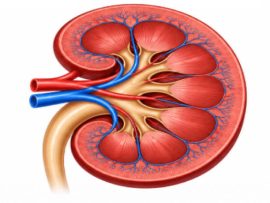
Abstract Background Acute kidney injury (AKI) is a common complication after cardiac surgery and is associated with more infections, prolonged recovery, longer hospital stays, increased readmission rates, greater costs, and..
Read More
Abstract An 11-month-old infant was admitted to the intensive care unit after cardiorespiratory arrest associated with the parainfluenza virus. Despite interventions, deterioration persisted. Echocardiography revealed severe pulmonary hypertension, tricuspid gradient..
Read More
Abstract Purpose Methylprednisolone is used during paediatric cardiac surgery with cardiopulmonary bypass to attenuate the systemic inflammatory response. However, developmental differences in drug disposition and cardiopulmonary bypass–related factors contribute to..
Read More
Abstract Introduction The anticoagulation strategy and the cardiopulmonary bypass management represent two core elements of the intraoperative care of the cardiac surgery patient. The ideal approach remains an issue of..
Read More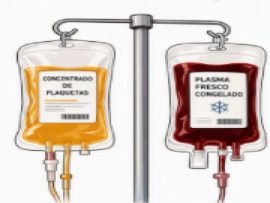
Abstract Neonatal cardiac surgery requires cardiopulmonary bypass (CPB) strategies that minimize hemodilution while maintaining adequate oxygen delivery and hemostatic balance. Despite increasing emphasis on patient blood management (PBM), contemporary CPB..
Read More
Abstract Physiological anticoagulants are essential regulators of coagulation, and their deficiency shifts hemostasis toward a prothrombotic state, increasing the risk of venous thromboembolism. The main physiological anticoagulants, antithrombin (AT), protein..
Read More
Abstract As cardiac surgery volumes increase worldwide, major bleeding remains a significant complication following cardiopulmonary bypass (CPB) surgery. Accurate prediction of postoperative hemorrhage risk is crucial. This study aimed to..
Read More
Abstract Circuit thrombosis and mechanical failure are important complications during extracorporeal membrane oxygenation (ECMO), but expected circuit duration and predictors of circuit failure remain poorly defined. We performed a retrospective..
Read More
Abstract This network meta-analysis aimed to compare different non-pharmacological interventions for insufficient perfusion after hypothermic circulatory arrest, a key technique in aortic arch surgery. The authors retrieved and analyzed 60..
Read More
Abstract Objectives In minimally invasive cardiac surgery, femoral artery cannulation is widely used; however, it may cause lower-limb ischemia. We developed a standardized patient-selection strategy, a femoral artery–cannulation technique, and..
Read More
Abstract Veno-arterial extracorporeal membrane oxygenation (ECMO) is used to support patients with high-risk pulmonary embolism (HR-PE) with cardiogenic shock, but data on mid- and long-term outcomes after reperfusion remain limited...
Read More
Abstract Background Cardiopulmonary bypass is associated with systemic inflammation during pediatric cardiac surgery and features elevated systemic concentrations of complement, cytokines and chemokines. The objective of this study is to..
Read More
Abstract Objectives: To characterize outcomes in children supported with 14 days or more of extracorporeal membrane oxygenation (ECMO) for respiratory indications. Design: Retrospective analysis of the Extracorporeal Life Support Organization..
Read More