


Abstract Background: Multisystem inflammatory syndrome in children (MIS-C) is a relatively rare complication of COVID-19, with frequent cardiovascular involvement, in terms of pericarditis, valvulitis, coronary aneurysms, and myocardial dysfunction/cardiogenic shock...
Read More
Abstract Post–myocardial infarction (PMI) ventricular septal defect (VSD) repair is associated with high mortality., The pathophysiology varies based on the size of the infarction and the VSD, which results in..
Read More
Abstract First described in 1926 by Erik von Willebrand as hereditary pseudohemophilia, von Willebrand disease (vWD) is now recognized as the most common inherited bleeding disorder worldwide, with an estimated..
Read More
Abstract Cerebral arterial gas embolism (CAGE) is an uncommon but potentially catastrophic complication of cardiothoracic surgery, extracorporeal circulation, mechanical circulatory support, and catheter-based cardiac interventions. During these procedures, gas may..
Read More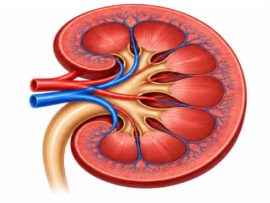
Abstract Background Acute kidney injury (AKI) is a common complication after cardiac surgery and is associated with more infections, prolonged recovery, longer hospital stays, increased readmission rates, greater costs, and..
Read More
Abstract An 11-month-old infant was admitted to the intensive care unit after cardiorespiratory arrest associated with the parainfluenza virus. Despite interventions, deterioration persisted. Echocardiography revealed severe pulmonary hypertension, tricuspid gradient..
Read More
Abstract Purpose Methylprednisolone is used during paediatric cardiac surgery with cardiopulmonary bypass to attenuate the systemic inflammatory response. However, developmental differences in drug disposition and cardiopulmonary bypass–related factors contribute to..
Read More
Abstract Introduction The anticoagulation strategy and the cardiopulmonary bypass management represent two core elements of the intraoperative care of the cardiac surgery patient. The ideal approach remains an issue of..
Read More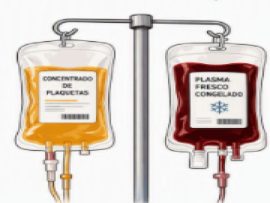
Abstract Neonatal cardiac surgery requires cardiopulmonary bypass (CPB) strategies that minimize hemodilution while maintaining adequate oxygen delivery and hemostatic balance. Despite increasing emphasis on patient blood management (PBM), contemporary CPB..
Read More
Abstract Physiological anticoagulants are essential regulators of coagulation, and their deficiency shifts hemostasis toward a prothrombotic state, increasing the risk of venous thromboembolism. The main physiological anticoagulants, antithrombin (AT), protein..
Read More
Abstract As cardiac surgery volumes increase worldwide, major bleeding remains a significant complication following cardiopulmonary bypass (CPB) surgery. Accurate prediction of postoperative hemorrhage risk is crucial. This study aimed to..
Read More
Abstract Circuit thrombosis and mechanical failure are important complications during extracorporeal membrane oxygenation (ECMO), but expected circuit duration and predictors of circuit failure remain poorly defined. We performed a retrospective..
Read More
Abstract This network meta-analysis aimed to compare different non-pharmacological interventions for insufficient perfusion after hypothermic circulatory arrest, a key technique in aortic arch surgery. The authors retrieved and analyzed 60..
Read More
Abstract Objectives In minimally invasive cardiac surgery, femoral artery cannulation is widely used; however, it may cause lower-limb ischemia. We developed a standardized patient-selection strategy, a femoral artery–cannulation technique, and..
Read More
Abstract Veno-arterial extracorporeal membrane oxygenation (ECMO) is used to support patients with high-risk pulmonary embolism (HR-PE) with cardiogenic shock, but data on mid- and long-term outcomes after reperfusion remain limited...
Read More
Abstract Background Cardiopulmonary bypass is associated with systemic inflammation during pediatric cardiac surgery and features elevated systemic concentrations of complement, cytokines and chemokines. The objective of this study is to..
Read More
Abstract Objectives: To characterize outcomes in children supported with 14 days or more of extracorporeal membrane oxygenation (ECMO) for respiratory indications. Design: Retrospective analysis of the Extracorporeal Life Support Organization..
Read More
Abstract Recent advances in surgical techniques and perioperative management have significantly improved the outcomes of cardiac and/or thoracic aortic surgery compared with earlier decades. However, redo procedures remain particularly challenging,..
Read More
This year we are bringing NextGen to ECPR Prague School 2026, 29–31 October, for three days dedicated to ECPR — from the first critical decisions to survivorship and the future..
Read More
Abstract Background Veno-venous extracorporeal membrane oxygenation (VV ECMO) is a key therapy for refractory respiratory failure, but can trigger systemic inflammation and prothrombotic activation that impair the membrane lung (ML)...
Read More
Abstract Background Severe glucose-6-phosphate dehydrogenase (G6PD) deficiency presents unique challenges during cardiopulmonary bypass (CPB) because of increased susceptibility to oxidative injury and haemolysis. Published guidance regarding optimal perfusion management remains..
Read More
Abstract Background Refractory ventricular fibrillation/ventricular tachycardia (VF/VT) out-of-hospital cardiac arrest (OHCA) carries poor survival with conventional resuscitation. Extracorporeal cardiopulmonary resuscitation (ECPR) improves outcomes in selected patients; however, time to reperfusion..
Read More
Abstract Cardiopulmonary bypass (CPB) during heart surgery provokes an inflammatory response that can cause post-operative organ injury, yet how CPB shapes key neutrophil effector programs is unclear. We investigated whether..
Read More
Abstract Background: Hemolysis occurs frequently in patients requiring mechanical circulatory support (MCS) and is associated with worse outcomes. Carboxyhemoglobin (CO-Hb) has been suggested as a potential biomarker for detection of..
Read More
Abstract Background Extracorporeal cardiopulmonary resuscitation (ECPR) is a time-critical intervention for selected patients with refractory cardiac arrest. Survival depends on minimizing low-flow duration before ECPR initiation. Timely deployment requires organizational..
Read More
Abstract Background Norwood surgery is the first stage in the surgical palliation of hypoplastic left heart syndrome (HLHS) and its variants. Postcardiotomy extracorporeal membrane oxygenation (ECMO) may be required in..
Read More
Abstract Objectives To determine whether carbon dioxide (CO2) field flooding during extracorporeal circulation (ECC) is associated with increased hourly sevoflurane consumption. Secondary objectives evaluated consumption differences between nonflooded procedures and..
Read More
Abstract Background Brain development is altered in neonates with congenital heart disease (CHD), with well-characterised reductions in regional brain volumes and enlargement of CSF spaces. However, perioperative morphological changes remain..
Read More
Abstract Aims Extracorporeal cardiopulmonary resuscitation (ECPR) may improve outcomes in selected patients with refractory out-of-hospital cardiac arrest (OHCA), but timely access is essential. In Greater London, a prehospital ECPR pathway..
Read More
Abstract Background Extracorporeal life support (ECLS) is used as rescue therapy for refractory cardiopulmonary failure. Population-level evidence on prognosis and long-term sequelae in patients requiring ECLS during pregnancy or the..
Read More