

Abstract The International Society on Thrombosis and Haemostasis (ISTH) recently published a survey on the management of unfractionated heparin (UFH), which revealed substantial heterogeneity in practice and highlighted the need..
Read More
Dr.Sam Zeraatian Nejad Davani, Cardiovascular and Thoracic Surgeon, Transplant and Thoracic Organs Recovery Surgeon. Director of Georgia Atlanta Procure on Demand Thoracic Organs Transplant and Procurement Surgery. ..
Read More
In Thoracoabdominal Normothermic Regional Perfusion (TA-NRP) for Donation after Circulatory Death (DCD), initiating central cannulation with a venous-first approach serves as a critical step to decompress an acutely..
Read More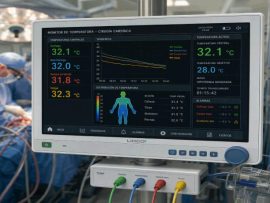
Abstract Aim Early downward temperature drift is a common event of pre-hospital extracorporeal cardiopulmonary resuscitation (e-CPR), since prehospital extracorporeal membrane oxygenation (VA-ECMO) circuits often lack heat-exchangers. However, whether this core..
Read More
Abstract Background Despite advances in patient blood management, the optimal hemoglobin threshold for Red Blood Cell (RBC) transfusion remains controversial. This observational study evaluated the association between the relative decline..
Read More
Abstract Aims Acute kidney injury (AKI) is common in patients treated with microaxial flow pumps (mAFP). Plasma-free haemoglobin (PFHb) due to haemolysis is known to increase kidney injury in a..
Read More
Abstract Background: Cardiac‑surgery‑associated acute kidney injury (CSA‑AKI) is a frequent postoperative complication worldwide and is associated with increased mortality, prolonged intensive care unit stay, and substantial resource utilization. While reported..
Read More
Abstract Background Hemolysis is a recognized complication of mechanical circulatory support and may contribute to acute kidney injury in patients with cardiogenic shock. Early hemolysis during Impella support, particularly compared..
Read More
Abstract In managing ECMO, preventing thrombus formation and hemolysis is crucial. While centrifugal pumps are increasingly used in pediatric ECMO, pumps designed for low flow range are not approved in..
Read More
Abstract Objectives Low haematocrit during cardiopulmonary bypass is a known risk factor for acute kidney injury, but it is unclear whether high haematocrit also increases acute kidney injury risk. We..
Read More
Abstract Optimal oxygen target levels for critically ill patients have been discussed for decades and very low but also high PaO2-levels were both associated with higher mortality [, ]. In..
Read More
Abstract Heparin-induced thrombocytopenia (HIT) represents a high-risk perioperative challenge in patients undergoing cardiac surgery. Although unfractionated heparin remains the standard anticoagulant for cardiopulmonary bypass (CPB), its use in patients with..
Read More
Liquid Lung Rest During Extracorporeal Life Support in a Neonatal Porcine Model of Acute Lung Injury
Abstract In patients with severe lung injury, extracorporeal life support (ECLS) enables lung rest, but the optimal strategy is unknown. This study compared liquid lung rest (LLR) versus standard gas rest ventilation..
Read More
Abstract Background: Among infants undergoing cardiac surgery, AKI may affect as many as 40% of this population and carries an unfavorable prognosis. A range of contributors has been implicated, including early..
Read More
Abstract Fluid administration and fluid balance are both important clinical considerations in the management of patients receiving extracorporeal membrane oxygenation (ECMO). Insufficient intravascular volume may limit the output of preload-dependent..
Read More
Abstract Background and Objectives: Endoscopic beating-heart tricuspid valve (TV) surgery is increasingly adopted in cardiac surgery due to its association with improved postoperative recovery. Conventional approaches require jugular vein cannulation..
Read More
Abstract Introduction In patients with prior valve replacement requiring venoarterial extracorporeal membrane oxygenation (VA ECMO), there is a risk of prosthetic valve thrombosis (PVT) due to intracardiac stasis. We describe..
Read More
Abstract Patients supported with peripheral femoral venoarterial extracorporeal membrane oxygenation (VA-ECMO) frequently face the challenge of determining the optimal timing for weaning trials, as no universally standardized bedside method is..
Read More
Abstract Early rehabilitation during venovenous extracorporeal membrane oxygenation used as a bridge to recovery (VV ECMO–BTR) may help preserve functional capacity. We retrospectively analyzed 153 adults supported with VV ECMO–BTR..
Read More
Abstract Importance Two percent to 50% of patients undergoing elective cardiac surgery experience acute kidney injury (AKI) postoperatively. Medications to prevent AKI after elective cardiac surgery have not been identified. Objective In..
Read More
Abstract Background Veno-venous extracorporeal membrane oxygenation (VV ECMO) is an advanced therapy for patients with respiratory failure refractory to conventional management. Volume overload and elevated lactate levels have been associated..
Read More
Abstract Objective Cardiac surgery-associated acute kidney injury is a common and serious complication of cardiac surgery. Albumin solution is a commonly administered fluid in cardiac surgery patients; the role of..
Read More
Abstract Extracorporeal membrane oxygenation (ECMO) during cardiopulmonary resuscitation (ECPR) is a lifesaving technology that has been widely described for in-hospital cardiac arrest in children with underlying cardiac disease. However, data..
Read More
Abstract Background: Conflicting data exist regarding the survival benefit of mechanical left ventricular (LV) unloading in patients receiving peripheral venoarterial extracorporeal membrane oxygenation (VA-ECMO) for refractory cardiogenic shock (CS). In..
Read More
Abstract BACKGROUND: Approximately 10% to 15% of all red blood cell (RBC) transfusions in the United States and United Kingdom occur during cardiac surgery. Despite efforts to standardize patient blood..
Read More
Abstract With the rapid development of life support technologies in the biomedical field, artificial hibernation has shown significant potential in the area of neural tissues and organ protection. This paper..
Read More
Abstract Rationale: Acute exacerbations of chronic obstructive pulmonary disease (AE-COPD) requiring invasive mechanical ventilation (IMV) are associated with high mortality and long-term disability. Extracorporeal CO₂ removal (ECCO₂R) using modern high-capacity..
Read More
Impact of intra-aortic balloon pump support on cerebral blood flow velocity during venoarterial ECMO
Abstract Introduction Venoarterial extracorporeal membrane oxygenation (V-A ECMO) is frequently combined with intra-aortic balloon pump (IABP) support in patients with refractory cardiogenic shock. Although IABP may reduce V-A ECMO–related afterload,..
Read More
Abstract Background/Objectives: Evidence on outcomes after repeat VA-ECMO in adults remains limited. This study aimed to compare survival and post-discharge functional outcomes between adults requiring a second VA-ECMO run and..
Read More
Abstract Background Thoracoabdominal aortic replacement requires one-lung ventilation (OLV) and partial cardiopulmonary bypass (CPB). During right-sided OLV with femoral partial CPB, the coronary and supra-aortic branches are perfused by native..
Read More