


Abstract Background The use of cardiopulmonary bypass (CPB) is almost inevitable in cardiac surgery. However, it can cause complications, including hemolysis. Until now, there have not been any standards for..
Read More
Abstract Objectives Extracorporeal life support (ECLS) pertains to therapeutic and prophylactic techniques utilized in a wide range of medical applications, with severe pulmonary diseases being the most prominent cases. Over..
Read More
Abstract Antithrombin (AT) is a natural anticoagulant pivotal in inactivating serine protease enzymes in the coagulation cascade, making it a potent inhibitor of blood clot formation. AT also possesses anti-inflammatory..
Read More
Abstract Objective: Controversy remains regarding the optimal neuroprotection strategy for elective hemiarch replacement (HEMI). This study sought to compare outcomes in patients who underwent HEMI utilizing the 2 most common..
Read More
Abstract OBJECTIVES: To describe factors associated with failed extubation (FE) in neonates following cardiovascular surgery, and the relationship with clinical outcomes. DESIGN: Retrospective cohort study. SETTING: Twenty-bed pediatric cardiac ICU..
Read More
Abstract Background Children with end-stage lung disease are commonly managed with extracorporeal life support (ECLS) as a bridge to lung transplantation. A pumpless artificial lung (MLung) is a portable alternative..
Read More
Abstract Cardiac Surgery-Associated Acute Kidney Injury (CSA-AKI) is a serious complication seen in approximately 20–30% of cardiac surgery patients. The underlying pathophysiology is complex, often involving both patient- and procedure..
Read More
Abstract Background The Safety Case is a regulatory technique that requires organisations to demonstrate to regulators that they have systematically identified hazards in their systems and reduced risks to being as..
Read More
Abstract Objectives Anemia and transfusion are common in cardiac surgery patients, and are associated with significant morbidity and mortality. Multiple perioperative interventions have been described to reduce blood transfusion, but..
Read More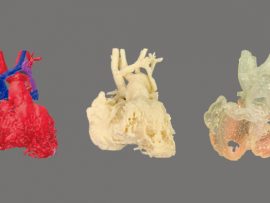
Abstract Medical 3-dimensional (3D) printing refers to the creation of physical anatomical structures derived from volumetric datasets from various imaging modalities. Applications of this technology include advanced visualization and diagnosis,..
Read More
Abstract Objective To compare mortality trends in patients requiring Extracorporeal Membrane Oxygenation (ECMO) support between the first quarters of 2019 and 2020 and determine whether these trends might have predicted..
Read More
Abstract Ensuring organisations learn from patient safety incidents is a key aim for healthcare organisations. The role that human factors and systems thinking can have to enable organisations learn from..
Read More
Abstract Background: This document updates previously published Clinical Practice Guidelines for the management of patients with acute respiratory distress syndrome (ARDS), incorporating new evidence addressing the use of corticosteroids, venovenous extracorporeal..
Read More
Abstract Severe acute hypercapnia is independently associated with increased adverse effects and intensive care unit mortality in mechanically ventilated patients. During the severe acute respiratory syndrome coronavirus 2 (COVID-19) pandemic,..
Read More
Abstract Extracorporeal membrane oxygenation (ECMO) has had increasing prevalence and indications in the last decade. Calcium channel blocker overdose (CCBOD) can lead to significant cardiopulmonary dysfunction and has also increased..
Read More
Abstract The 2 hypnotic agents currently used for the maintenance of general anesthesia during cardiopulmonary bypass (CPB) are propofol and sevoflurane. Propofol can be administered directly into the cardiotome of..
Read More
Abstract Introduction Cardiac surgery in patients on chronic renal dialysis is associated with significant morbidity and mortality. Minimally invasive extracorporeal circuits (MiECC) have shown a positive impact on patient outcome..
Read More
Abstract BACKGROUND: Renal ischemia and reperfusion (IR) contribute to perioperative acute kidney injury, and oxygen is a key regulator of this process. We hypothesized that oxygen administration during surgery and..
Read More
Abstract Background Impairment of cerebral autoregulation (CA) has been observed in patients undergoing cardiopulmonary bypass (CPB), but little is known about its risks and associations with outcomes. The cerebral oximetry..
Read More
Abstract Background Few studies have considered outcomes among low body mass index (BMI) cohorts undergoing coronary artery bypass grafting (CABG). This study aims to investigate the effects of low body..
Read More
Abstract Objective Perioperative corticosteroids have been used for cardiac surgery for decades, but the underlying evidence is conflicting. We aimed to investigate the efficacy and safety of perioperative prophylactic corticosteroids in heart..
Read More
Abstract Objective after cardiac surgery increases morbidity and mortality. Diagnosis relies on or increased serum creatinine, which develop 48 to 72 hours after injury. We hypothesized machine learning incorporating preoperative, operative, and data..
Read More
Abstract Improving the safety of patient care is a top priority in the perioperative environment in order to minimize preventable deaths, post-surgical complications, and preventable adverse events. Improved protocols..
Read More
Abstract Cardiac surgery, including surgical aortic valve repair (SAVR) and coronary artery bypass grafting (CABG), are associated with ischemia-reperfusion (I/R) injury. Single bouts of exercise, including handgrip exercise, may protect..
Read More
Abstract Background and Objective The use of extracorporeal membrane oxygenation (ECMO) as a cardiocirculatory or respiratory support has tremendously increased in critically ill patients. In the setting of ECMO support,..
Read More