


Abstract Andexanet alfa is an analog of activated factor X and is used as an antagonist of anti-activated factor X agents. Andexanet alfa is useful for hemostasis in emergent bleeding..
Read More
Abstract Objectives is a potentially life-threatening complication during (ECMO). In this study, we assessed the incidence, , and risk factors for mortality of cardiac tamponade during ECMO. Design We queried the Organization (ELSO)..
Read More
Abstract Cytoreductive surgery (CRS) and hyperthermic intraperitoneal chemotherapy (HIPEC) have demonstrated their impact on disease-free survival (DFS) and overall survival (OS) of patients with peritoneal metastases (PM). However, prior literature..
Read More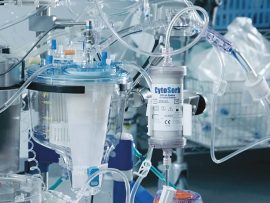
Abstract Recent in vitro studies have investigated the effects of hemoadsorption therapy on endothelial function in sepsis showing a reduction in markers of endothelial dysfunction, but, to this day, there..
Read More
Abstract Purpose: This study aimed to evaluate the relationship between intra-abdominal pressure (IAP), renal perfusion indices, and postoperative acute kidney injury (AKI) in cardiac patients. Methods: In a prospective cohort..
Read More
Abstract Blood oxygenators are used to saturate oxygen levels and remove carbon dioxide from the body during cardiopulmonary bypass. Although the natural lung is hydrophilic, commercially used oxygenator materials are..
Read More
Abstract Background Neurologic impairments are a significant concern for survivors after cardiac surgery with (CPB). We have previously shown that mesenchymal stromal cell (MSC) delivery through CPB has the potential to mitigate the effects..
Read More
Abstract Background: Cardiopulmonary bypass (CPB) techniques are becoming minimally invasive in clinical practice. The literature describes various extracorporeal techniques which seek to eliminate air-blood contact and reduce both hemodilution and the..
Read More
Abstract Background Veno-arterial extracorporeal membrane oxygenation (VA-ECMO) can be initiated during cardiac surgery or later in ICU according to the hemodynamic profile and organ perfusion. Our aim was to study..
Read More
Abstract Purpose: Cardiogenic shock is associated with high mortality. In refractory shock, it is unclear if mechanical circulatory support (MCS) devices improve survival. We conducted a network meta-analysis to determine..
Read More
Abstract Background An asymptomatic during cardiac surgery could lead to pulmonary complications and increased mortality. For , testing for before surgery or vaccination could reduce the number of these pulmonary complications. The aim..
Read More
Institutional Variability in Red Blood Cell Transfusion With Coronary Bypass in a Statewide Database
Abstract Background The decision to perform transfusion is common but varies among centers and surgeons. This study looked at variables associated with red blood cell (RBC) transfusion in a statewide..
Read More
Abstract Extracorporeal membrane oxygenation (ECMO) supplies circulatory support and gas exchange to critically ill patients. Despite the use of systemic anticoagulation, blood exposure to ECMO surfaces causes thromboembolism complications. Inhibition..
Read More
Abstract The Extracorporeal Life Support Organization (ELSO) registry captures clinical data and outcomes on patients receiving extracorporeal membrane oxygenation (ECMO) support across the globe at participating centers. It provides a..
Read More
Abstract Venovenous extracorporeal membrane oxygenation (VVECMO) is a potent salvage therapy for ARDS patients who remain severely hypoxemic despite the use of more conventional treatments. In a study done in..
Read More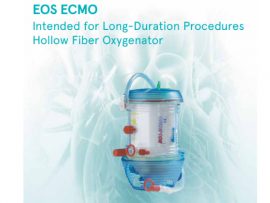
Abstract Background The present article describes three cases of patients in cardiogenic shock (CS) with previous cardiac surgery that made them initially inoperable. Perioperative support with veno-arterial extracorporeal membrane oxygenation..
Read More
Abstract The purpose of this study was to evaluate left ventricular (LV) unloading strategies in patients supported with peripheral venoarterial extracorporeal membrane oxygenation (VA-ECMO). A retrospective review was conducted of..
Read More
Abstract Background Extracorporeal membrane oxygenation (ECMO) is increasingly used to support patients with severe acute respiratory distress syndrome (ARDS). The impact of ECMO on long-term outcomes of patients with severe..
Read More
Abstract Objectives: Extracorporeal cardiopulmonary resuscitation (ECPR) is the implementation of venoarterial extracorporeal membrane oxygenation (VA-ECMO) during refractory cardiac arrest. The role of left-ventricular (LV) unloading with Impella in addition to..
Read More
Abstract Haemorrhagic shock is frequent in critical care settings and responsible for a high mortality rate due to multiple organ dysfunction and coagulopathy. The management of critically ill patients with..
Read More
Abstract Objective We conducted a prospective study to assess the face and content validity of a new virtual reality (VR) extracorporeal circulation simulator (ECC) developed for perfusionists to facilitate training..
Read More
Abstract Introduction Critically ill patients supported with venoarterial (VA ECMO) are at risk of developing severe arterial , which has been associated with increased mortality. Lower saturation targets in this population may..
Read More
Abstract Patients undergoing coronary revascularization with extracorporeal circulation or cardiopulmonary bypass (CPB) may develop several biochemical changes in the microcirculation that lead to a systemic inflammatory response. Surgical incision, post-CPB..
Read More
Abstract Objective. To evaluate the effect of NO added to the sweep gas of the oxygenator during cardiopulmonary bypass (CPB) on the liver and kidneys in pigs. Methods. An experiment..
Read More
Abstract Purpose Cold-stored platelets (CSP) are an increasingly active topic of international research. They are maintained at 1–6 °C, in contrast to standard room-temperature platelets (RTP) kept at 20–24 °C. Recent evidence..
Read More
Abstract This study presents Neuro-SPARK, the first scoring system developed to assess the risk of neurologic injury in pediatric and neonatal patients on extracorporeal membrane oxygenation (ECMO). Using the extracorporeal..
Read More
Simultaneous upper and lower body perfusion using hypothermia during thoracoabdominal aortic surgery
Abstract Background In open thoracoabdominal aortic aneurysm (TAAA) repair, we have been performing vascular reconstruction under moderate to deep hypothermia and assisted circulation using simultaneous upper and lower body perfusion...
Read More
Abstract Hemolysis is a complication of cardiopulmonary bypass (CPB). Carboxyhemoglobin (COHb) and methemoglobin (MetHb) were suggested as potential hemolysis biomarkers. This retrospective study was based on a prospective registry aimed..
Read More
Abstract Objective We designed a simplified total arch reconstruction (s-TAR) technique which could be performed under mild hypothermia (30–32 °C) with distal aortic perfusion. This study aimed to compare its efficacy..
Read More
Abstract Introduction The WHO Surgical Safety Checklist (SSC) is a communication tool that improves teamwork and patient outcomes. SSC effectiveness is dependent on implementation fidelity. Administrative audits fail to capture most..
Read More