


Abstract Background Veno-venous extracorporeal membrane oxygenation (VV ECMO) is an advanced therapy for patients with respiratory failure refractory to conventional management. Volume overload and elevated lactate levels have been associated..
Read More
Abstract Objective Cardiac surgery-associated acute kidney injury is a common and serious complication of cardiac surgery. Albumin solution is a commonly administered fluid in cardiac surgery patients; the role of..
Read More
Abstract Extracorporeal membrane oxygenation (ECMO) during cardiopulmonary resuscitation (ECPR) is a lifesaving technology that has been widely described for in-hospital cardiac arrest in children with underlying cardiac disease. However, data..
Read More
Abstract Background: Conflicting data exist regarding the survival benefit of mechanical left ventricular (LV) unloading in patients receiving peripheral venoarterial extracorporeal membrane oxygenation (VA-ECMO) for refractory cardiogenic shock (CS). In..
Read More
Abstract BACKGROUND: Approximately 10% to 15% of all red blood cell (RBC) transfusions in the United States and United Kingdom occur during cardiac surgery. Despite efforts to standardize patient blood..
Read More
Abstract With the rapid development of life support technologies in the biomedical field, artificial hibernation has shown significant potential in the area of neural tissues and organ protection. This paper..
Read More
Abstract Rationale: Acute exacerbations of chronic obstructive pulmonary disease (AE-COPD) requiring invasive mechanical ventilation (IMV) are associated with high mortality and long-term disability. Extracorporeal CO₂ removal (ECCO₂R) using modern high-capacity..
Read More
Impact of intra-aortic balloon pump support on cerebral blood flow velocity during venoarterial ECMO
Abstract Introduction Venoarterial extracorporeal membrane oxygenation (V-A ECMO) is frequently combined with intra-aortic balloon pump (IABP) support in patients with refractory cardiogenic shock. Although IABP may reduce V-A ECMO–related afterload,..
Read More
Abstract Background/Objectives: Evidence on outcomes after repeat VA-ECMO in adults remains limited. This study aimed to compare survival and post-discharge functional outcomes between adults requiring a second VA-ECMO run and..
Read More
Abstract Background Thoracoabdominal aortic replacement requires one-lung ventilation (OLV) and partial cardiopulmonary bypass (CPB). During right-sided OLV with femoral partial CPB, the coronary and supra-aortic branches are perfused by native..
Read More
Abstract Objectives Cardiopulmonary bypass (CPB) priming may influence haemodilution, bleeding, and end-organ injury during HeartMate 3 (HM3) implantation, but evidence in contemporary left ventricular assist device (LVAD) surgery is limited...
Read More
Abstract One theme worth emphasizing is that “ECMO prediction” is not a single task. Some models are intended to inform decisions before cannulation, whereas others incorporate variables such as ECMO..
Read More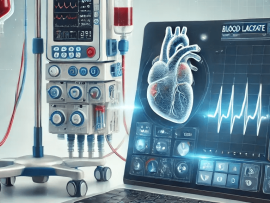
Abstract Objectives:Hypothermic oxygenated perfusion reduces ischemia-reperfusion injury and improves early graft function in extended criteria donor liver transplant. However, use of machine perfusion may be limited because of lack of..
Read More
Abstract Liver transplantation (LT) is an established therapy for patients with end-stage liver disease. Advances in surgical technique, anesthetic management, and standardization of perioperative care have significantly improved outcomes, making..
Read More
Abstract Background: Hemoperfusion has emerged as a potential extracorporeal blood purification strategy for attenuating inflammation during cardiopulmonary bypass (CPB), but perioperative biomarker trajectory data remain limited. This pilot comparative study..
Read More
Abstract Background and Objectives: Prolonged intensive care unit (ICU) stay following coronary artery bypass grafting (CABG) remains a major clinical challenge. The aim of this study was to identify preoperative..
Read More
Abstract Extracorporeal membrane oxygenation (ECMO) is a vital therapy for patients with severe cardiac and pulmonary failure. Despite technological advances, oxygenator dysfunction remains common, yet comparative clinical data across devices..
Read More
Abstract Background Extracorporeal membrane oxygenation (ECMO) is a life-saving therapeutic modality in children. Outcome is multifactorial with debates regarding predictors of weaning success and mortality. Objective To explore predictors of..
Read More
Abstract BACKGROUND We sought to determine if modified ultrafiltration (MUF) in the current era was associated with improved outcomes after neonatal cardiopulmonary bypass (CPB). METHODS Retrospective analysis of the PC4/NEPHRON..
Read More
Abstract Background: Numerous studies have demonstrated that both cardiopulmonary bypass (CPB) and extracorporeal membrane oxygenation (ECMO) are often associated with adverse outcomes or immune dysregulation when platelet counts decline during..
Read More
Abstract Oxygenator thrombosis is a major complication during extracorporeal membrane oxygenation (ECMO), but systemic anticoagulation may be contraindicated by active hemorrhage, recent surgery, intracranial injury, or severe coagulopathy. Circuit-directed nitric..
Read More
Abstract Background Levosimendan is often given during venoarterial extracorporeal membrane oxygenation (VA-ECMO) support with the intention of facilitating weaning. The available evidence, however, has been derived largely from nonrandomized studies..
Read More
Abstract Anaemia is a blood disorder that affects individuals of all ages, genders, and ethnicities. It results from a decrease in the number or functionality of erythrocytes or haemoglobin (Hb),..
Read More
Abstract Background Extracorporeal membrane oxygenation (ECMO) provides circulatory and respiratory support in pediatric patients with life-threatening organ failure but can alter coagulation. Objectives To assess the relationship between a plasma..
Read More
Abstract Introduction Goal-directed perfusion during cardiopulmonary bypass (CPB) has traditionally focused on indexed oxygen delivery (DO2i), yet metabolic behavior during aortic cross-clamping likely reflects a more complex interaction among oxygen..
Read More
Abstract Objectives To determine the probability of a clinically relevant reduction in postoperative myocardial injury following the use of propofol-supplemented cardioplegia. Design Systematic review and Bayesian meta-analysis. Setting Perioperative cardiac..
Read More
Abstract Atrial fibrillation (AF) is a highly prevalent arrhythmia and a major cause of morbidity and mortality. Although AF is not a primarily immunologic disorder, increasing clinical, translational, and experimental..
Read More
Abstract Unfractionated heparin (UFH) exposure before cardiac surgery is ubiquitous. Patients who undergo urgent coronary surgery have almost invariably received intravenous UFH, and patients who undergo elective surgery receive it..
Read More
Abstract Objective To investigate the outcomes of pediatric patients requiring extracorporeal membrane oxygenation (ECMO) after the Fontan operation. Methods We conducted a retrospective cohort analysis of the Extracorporeal Life Support..
Read More
Abstract Background Decannulation from venovenous extracorporeal membrane oxygenation (ECMO) at the earliest safe opportunity would be expected to improve patient outcomes. Currently, the manner in which clinicians liberate patients from..
Read More