


Abstract Extracorporeal membrane oxygenation (ECMO) has become an essential supportive therapy for patients with severe respiratory and/or cardiac failure. While conventional configurations such as veno-venous and veno-arterial ECMO have well-established..
Read More
Abstract Background/Objectives: Minimally invasive valve surgery via right minithoracotomy is well established for isolated aortic and mitral procedures, but its application to multivalve operations remains uncommon and clinical data are..
Read More
Abstract Background Infants with congenital diaphragmatic hernia (CDH) are at increased risk of neuroimaging abnormalities and neurodevelopmental impairment. There is no standardized neuroimaging scoring system in this patient population. Our..
Read More
Abstract Background The relationship between lactate-to-albumin ratio (LAR) and mortality in patients with cardiogenic etiology undergoing veno-arterial extracorporeal membrane oxygenation (VA-ECMO) remains unclear. Against this backdrop, the present study is..
Read More
Abstract Background: The inflammatory prognostic index (IPI) is a novel hematological parameter that reflects both inflammatory burden and immune status. Despite several studies on this new index, the prognostic value..
Read More
Abstract Background Postcardiotomy cardiogenic shock (PCS) is a life-threatening complication after adult cardiac surgery that frequently necessitates venoarterial extracorporeal membrane oxygenation (VA-ECMO). Central and peripheral VA-ECMO cannulation strategies generate distinct..
Read More
Abstract While veno-arterial extracorporeal membrane oxygenation (V-A ECMO) has become central in the management of patients in advanced stages of cardiogenic shock due to its relative ease of deployment, there..
Read More
Abstract Chronic thromboembolic pulmonary hypertension (CTEPH) is a progressive disease that occurs due to fibrotic remodeling of the pulmonary vessels. This leads to increased pressure overload onto the right ventricle,..
Read More
Abstract Cardiopulmonary bypass (CPB) is an essential component of many cardiac surgical procedures, but carries inherent risks related to its reliance on extracorporeal circulation and mechanical circuitry. Mechanical complications, though..
Read More
Abstract Perioperative anemia and red blood cell transfusions are important risk factors for morbidity and mortality in cardiac surgery. Preoperative anemia is common, with up to 50% of patients presenting..
Read More
Abstract This study aims to assess current quality indicators and determine the added value of total area under the threshold (TAUT) and largest area under the threshold (LAUT) for risk..
Read More
Abstract Background: Extracorporeal cardiopulmonary resuscitation (ECPR) can improve outcomes following refractory out-of-hospital cardiac arrest (OHCA); however, access is constrained by geography and resources. This study compared two strategies against the..
Read More
Abstract Introduction Standard anticoagulation protocols for patients with trauma-related acute respiratory distress syndrome (TR-ARDS) undergoing venovenous extracorporeal membrane oxygenation (VV-ECMO) are often inapplicable due to high bleeding risks. This study..
Read More
Abstract Objectives Acute intestinal ischemia from cardiac surgery is rare but highly lethal. Conventional risk models lack preoperative markers reflecting splanchnic arterial capacity. We hypothesized that subclinical abdominal atherosclerosis predisposes..
Read More
Abstract Team Sport The most effective method for achieving sustainable blood-sparing practices is a pragmatic and individualized approach within a multidisciplinary framework. For every case, direct, clear, and intentional communication..
Read More
Abstract The role of extracorporeal membrane oxygenation (ECMO) in neonates with congenital anomalies of the kidney and urinary tract (CAKUT) remains one of the more contested frontiers at the intersection..
Read More
Abstract Preterm infants, especially extremely preterm infants under 28 weeks of gestation, face high mortality rates due to respiratory distress resulting from pulmonary immaturity. Conventional mechanical ventilation and extracorporeal membrane..
Read More
Abstract Background Congenital heart disease affects approximately 1% of live births worldwide and remains among the most significant contributors to neonatal morbidity and mortality. Approximately half of them require surgical..
Read More
Abstract Deep hypothermic cardiopulmonary bypass (CPB) is used in selected procedures such as pulmonary endarterectomy (PEA) and aortic arch repair. Hypothermia induces metabolic and physicochemical changes that affect hydrogen ion..
Read More
Abstract Background/Objectives: Adult patients supported with extracorporeal membrane oxygenation (ECMO) frequently require invasive diagnostic, therapeutic, surgical, or bedside procedures during ongoing extracorporeal support. These procedures are clinically challenging because ECMO-related anticoagulation,..
Read More
Abstract Objective: The minimised extracorporeal circulation (MiECC) system is an alternative to the classical extracorporeal circulation (ECC) system in coronary artery bypass grafting (CABG) surgery. Some publications reported that there are..
Read More
Abstract Background Extracorporeal membrane oxygenation (ECMO) has become a vital life-support tool in critical care, particularly during the COVID-19 pandemic. The rapid growth of ECMO research necessitates bibliometric analysis to..
Read More
Abstract Objectives To quantify the incidence of Quantra QPlus clot time ratio (CTR) elevation (>1.4) in cardiac surgical patients with suspected postoperative coagulopathy and to investigate the correlation between CTR..
Read More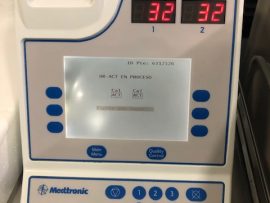
Abstract Objectives Antiphospholipid syndrome (APS) is an autoimmune prothrombotic disorder that complicates anticoagulation during cardiovascular surgery requiring cardiopulmonary bypass (CPB). This systematic review aimed to characterize the anticoagulation monitoring strategies..
Read More
Abstract Background: Cardiopulmonary bypass (CPB) is a cornerstone of modern cardiac surgery, requiring continuous, high stakes decision making based on rapidly evolving physiological and technical parameters. Despite advances in perfusion..
Read More
Abstract Objective To investigate the dynamic impact of anemia at different perioperative timepoints (preoperative, postoperative day 1, 3, and 7) on adverse events in patients undergoing cardiac surgery. Methods This..
Read More
Abstract Background Sex-based differences in outcomes after cardiac surgery are consistently reported, with women frequently experiencing higher postoperative morbidity and mortality. While emerging evidence suggests that patient-physician sex concordance may..
Read More
Abstract Background While cardiac surgery and cardiopulmonary bypass (CPB) are on rise, postoperative infections have become an increasingly prominent problem. We designed this study to compare the four coagulation indicators..
Read More
Abstract Hemolysis, the rupture of red blood cells, releases hemoglobin, haem, and redox-active iron into the bloodstream. When the body’s scavenging capacity is overwhelmed, these species can exert deleterious effects,..
Read More
Abstract Objectives To evaluate postoperative residual and reappearing heparin activity after low-dose, titration-guided protamine reversal following cardiopulmonary bypass (CPB) in elective coronary artery bypass grafting (CABG). Design Prospective, controlled clinical..
Read More