


Abstract Background Primary graft dysfunction (PGD) remains the leading cause of early morbidity and mortality after heart transplantation. Despite consensus definitions, clinicians still rely on subjective, indirect assessments of graft..
Read More
Abstract Venoarterial extracorporeal membrane oxygenation (VA-ECMO) is increasingly used for providing adequate organ support in cardiogenic shock. While the intervention provides circulatory and respiratory support in the critical stage, it..
Read More
Abstract Objective Severe anaphylaxis is a rare but life-threatening condition that may require extracorporeal life support (ECLS). A systematic review was conducted to evaluate the outcomes of patients receiving ECLS..
Read More
Abstract Background This study aimed to evaluate in-hospital mortality and to identify predictors of mortality in coronary artery bypass grafting (CABG) patients receiving veno-arterial extracorporeal membrane oxygenation (VA-ECMO) support. Methods..
Read More
Abstract Background Use of extracorporeal membrane oxygenation (ECMO) for cardiorespiratory failure has increased substantially. While long-term outcomes for psychological health are increasingly assessed and addressed in critical care survivorship research,..
Read More
Abstract Background Extracorporeal membrane oxygenation (ECMO) is a critical life-support intervention for patients with severe respiratory and circulatory failure. Nevertheless, identifying the optimal timing of ECMO initiation and its correlation..
Read More
Abstract The expanding use of extracorporeal cardiopulmonary resuscitation (ECPR) has introduced new clinical scenarios at the intersection of extracorporeal life support and organ donation. Current donor classification systems do not..
Read More
Abstract This study describes the development and preliminary validation of an integrated clinical decision support application (Cardiac Critical Care Advisor Pro, CCA Pro v6.0) that combines viscoelastic coagulation analysis, arterial..
Read More
Abstract Background The clinical impact of early spontaneous breathing during veno-venous extracorporeal membrane oxygenation (VV ECMO) for acute respiratory distress syndrome (ARDS) is unclear, balancing potential benefits (reducing sedation and..
Read More
Abstract As ECMO continues to grow beyond the CVOR, a growing number of physicians outside cardiac surgery are being asked to cannulate. This expansion is an important step toward building..
Read More
Abstract Background The use of extracorporeal membrane oxygenation (ECMO) has expanded for severe respiratory and circulatory failure. Acute kidney injury (AKI) is one of the most frequent complications. Up to..
Read More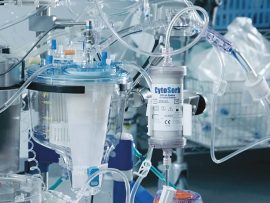
Abstract Background This systematic review and meta-analysis evaluated the clinical efficacy and safety of hemoperfusion in adults receiving extracorporeal membrane oxygenation (ECMO). Methods We systematically searched PubMed, Embase, the Cochrane..
Read More
Abstract Extracorporeal membrane oxygenation (ECMO) is an established life-saving therapy for severe acute respiratory distress syndrome and cardiogenic shock, yet it profoundly alters cardiopulmonary physiology and challenges conventional hemodynamic monitoring...
Read More
Abstract Adult venoarterial extracorporeal membrane oxygenation (VA ECMO) is a costly life support therapy, where patient selection remains a significant hinge-point in determining patient outcomes. Despite this, few sites have..
Read More
Abstract Acute limb ischemia (ALI) remains one of the most common complications of peripheral veno-arterial extracorporeal membrane oxygenation (V-A ECMO). Across heterogeneous cohorts, reported ALI rates vary widely (≈8–30% and..
Read More
Abstract Peripheral venoarterial extracorporeal membrane oxygenation (VA-ECMO) and minimally invasive cardiac surgery often require femoral arterial cannulation, wherein lower limb ischemia remains a major complication. Although introducer sheaths with side..
Read More
Abstract Clot-fibrinolysis waveform analysis (CFWA) enables the simultaneous assessment of coagulation and fibrinolytic functions within a short timeframe. We evaluated the effects of commonly used anticoagulants on coagulation–fibrinolysis balance using..
Read More
Abstract Objectives: To evaluate the cost-effectiveness of implementing an extracorporeal cardiopulmonary resuscitation (ECPR) strategy for refractory out-of-hospital cardiac arrest (OHCA) compared with current practice in Singapore, where it is not..
Read More
Abstract For pregnant patients with severe coronavirus disease 2019 (COVID-19) requiring veno-venous (V-V) extracorporeal membrane oxygenation (ECMO), the ideal timing of delivery is uncertain, particularly when complicated by cardiogenic shock...
Read More
Abstract Clinical Criteria and Assessment (Hypotension, Hypoperfusion, Rising Lactate, and Escalating Vasopressors) Profound hypotension, ongoing CS despite optimal medical treatment, escalating vasopressor requirements, rapidly deteriorating cardiac function, worsening lactic acidosis,..
Read More
Abstract Introduction Critically ill ECMO patients face high bleeding risks from anticoagulation and other factors. Although viscoelastic tests, like ROTEM, are widely used to assess hemostasis, evidence for their superiority..
Read More
Abstract Neonatal fluid management in extracorporeal life support (ECLS) is complex, with the goal of improving outcomes while preventing complications. This study evaluates the impact of early continuous renal replacement..
Read More
Abstract Extracorporeal membrane oxygenation (ECMO) has become an essential supportive therapy for patients with severe respiratory and/or cardiac failure. While conventional configurations such as veno-venous and veno-arterial ECMO have well-established..
Read More
Abstract Background The relationship between lactate-to-albumin ratio (LAR) and mortality in patients with cardiogenic etiology undergoing veno-arterial extracorporeal membrane oxygenation (VA-ECMO) remains unclear. Against this backdrop, the present study is..
Read More
Abstract Background Postcardiotomy cardiogenic shock (PCS) is a life-threatening complication after adult cardiac surgery that frequently necessitates venoarterial extracorporeal membrane oxygenation (VA-ECMO). Central and peripheral VA-ECMO cannulation strategies generate distinct..
Read More
Abstract While veno-arterial extracorporeal membrane oxygenation (V-A ECMO) has become central in the management of patients in advanced stages of cardiogenic shock due to its relative ease of deployment, there..
Read More
Abstract Chronic thromboembolic pulmonary hypertension (CTEPH) is a progressive disease that occurs due to fibrotic remodeling of the pulmonary vessels. This leads to increased pressure overload onto the right ventricle,..
Read More
Abstract Introduction Standard anticoagulation protocols for patients with trauma-related acute respiratory distress syndrome (TR-ARDS) undergoing venovenous extracorporeal membrane oxygenation (VV-ECMO) are often inapplicable due to high bleeding risks. This study..
Read More
Abstract The role of extracorporeal membrane oxygenation (ECMO) in neonates with congenital anomalies of the kidney and urinary tract (CAKUT) remains one of the more contested frontiers at the intersection..
Read More
Abstract Background/Objectives: Adult patients supported with extracorporeal membrane oxygenation (ECMO) frequently require invasive diagnostic, therapeutic, surgical, or bedside procedures during ongoing extracorporeal support. These procedures are clinically challenging because ECMO-related anticoagulation,..
Read More