


Abstract Objectives Optimal blood pressure goals during cardiopulmonary bypass (CPB) remain uncertain and new metrics to individualize perfusion targets are needed. Critical closing pressure (Pcrit) is a fundamental property of..
Read More
Abstract Objectives To investigate the safety and efficacy of ANG-3777, a hepatocyte growth factor mimetic, in mitigating the risk of acute kidney injury (AKI) in patients undergoing cardiac surgery with..
Read More
Abstract OBJECTIVES Minimally invasive cardiac surgery (MICS) struggles with effective caval isolation and cannulation for cardiopulmonary bypass (CPB). We aimed to develop a novel MICS venous cannula, eliminating external manipulations...
Read More
Abstract Background: To compare tracheal temperature (TET) with nasopharyngeal temperature (TNP) in patients undergoing cardiac surgery using cardiopulmonary bypass (CPB). Methods: TET was measured using a thermistor in the cuff..
Read More
Preamble Clinical practice guidelines consolidate and evaluate all pertinent evidence on a specific topic available at the time of their formulation. The goal is to assist physicians in determining the..
Read More
Abstract Purpose Tranexamic acid (TXA) is widely used as an antifibrinolytic drug. However, studies to determine the optimal blood concentration of TXA have produced inconsistent results. During cardiac surgery, cardiopulmonary..
Read More
Abstract Background Low oxygen delivery (DO2) on cardiopulmonary bypass has been associated with acute kidney injury. We sought to determine the association of intraoperative DO2, postoperative length of stay, and..
Read More
Abstract Background: In the PROTECTION trial, intravenous amino acids (AA) decreased the occurrence of acute kidney injury (AKI) in cardiac surgery patients with cardiopulmonary bypass (CPB). Recruitment of renal functional..
Read More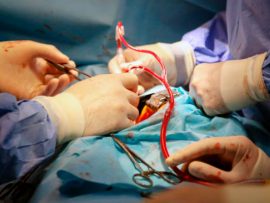
Abstract Angiomatoid fibrous histiocytoma (AFH) is a rare soft tissue tumour that rarely behaves malignant. We report a radical resection of a mediastinal angiomatoid fibrous histiocytoma, which grew invasively into..
Read More
Abstract Nitric oxide (NO) was proclaimed the 1992 “molecule of the year” by Culotta in Science magazine because of its importance in neuroscience, physiology and immunology. Inhaled NO has been..
Read More
Abstract Aim This meta-analysis aimed to compare the outcomes of extracorporeal membrane oxygenation (ECMO) and cardiopulmonary bypass (CPB) in lung transplantation. Methods We searched PubMed, Embase, and Cochrane databases for..
Read More
Abstract Objective To develop and validate a predictive model for acute kidney injury (AKI) after cardiopulmonary bypass (CPB) surgery in Chinese patients with normal preoperative renal function. Method From January..
Read More
Abstract Membrane oxygenator failure remains a concern for perfusion teams. Successful outcomes for this low-frequency, high-risk intervention are predicated on having written institutional protocols for both the oxygenator change-out procedure..
Read More
Abstract Objective We sought to explore the linear or nonlinear relationship between preoperative iron metabolism and acute kidney injury following cardiac surgery (CSA-AKI) with cardiopulmonary bypass (CPB). Methods Patients who..
Read More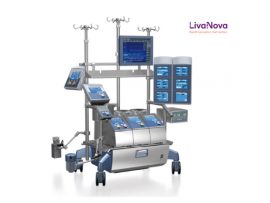
Abstract OBJECTIVES Long cardiopulmonary bypass times are associated with adverse postoperative outcomes and increased healthcare resource use. It is likely that this effect is pronounced in smaller patients. Previous studies..
Read More
Abstract Background Prophylactic corticosteroids have been widely used to mitigate the inflammatory response induced by cardiopulmonary bypass (CPB). However, the impact of this treatment on clinically important outcomes in infants..
Read More
Abstract Background Drug shortages are a frequent challenge in current clinical practice. Certain drugs (e.g., protamine) lack alternatives, and inadequate supplies can limit access to services. Conventional protamine dosing uses..
Read More
Abstract Background The inflammatory response to cardiopulmonary bypass (CPB) in pediatric patients remains an unresolved challenge. Sanguineous CPB prime, composed of allogenic blood products, is one potentially important stimulus. This..
Read More
Abstract Objectives To compare brain injury biomarker release levels between two different cardiopulmonary bypass (CPB) flow rates in elective cardiac surgery and to explore differences in postoperative delirium between groups..
Read More
Abstract Cardiopulmonary bypass (CPB), an extracorporeal method necessary for the surgical correction of complex congenital heart defects, incites significant inflammation that affects vascular function. These changes are associated with alterations..
Read More
Abstract The gut microbiome of infants with congenital heart disease (CHD) undergoing cardiopulmonary bypass surgery (CPB) is at risk of profound alteration. The aim of this study was to examine..
Read MoreAbstract Objectives Cardiac surgery associated-acute kidney injury is a common and serious postoperative complication of cardiac surgery, which is associated with increased postoperative morbidity and mortality. This study aimed to..
Read More
Abstract BACKGROUND Cardiac surgery involving cardiopulmonary bypass induces a significant systemic inflammatory response, contributing to various postoperative complications, including pulmonary dysfunction, myocardial and kidney injuries. OBJECTIVE To investigate the effect..
Read More
Abstract Background Coagulatory alterations are common after pediatric cardiac surgery and can be addressed with point-of-care (POC) coagulation analysis. The aim of the present study is to evaluate a preventive..
Read More
Abstract Background This study aims to externally validate a clinical mathematical model designed to predict urine output (UOP) during the initial post-operative period in pediatric patients who underwent cardiac surgery..
Read More
Abstract Neurological complexities resulting from surgery requiring cardiopulmonary bypass (CPB) remain a major concern, encompassing a spectrum of complications including thromboembolic stroke and various cognitive impairments. Surgical manipulation during CPB..
Read MoreThe Nephroprotective Effect of Nitric Oxide during Extracorporeal Circulation: An Experimental Study
Abstract This study aims to determine the effectiveness of administering 80 ppm nitric oxide in reducing kidney injury, mitochondrial dysfunction and regulated cell death in kidneys during experimental perfusion. Twenty-four..
Read More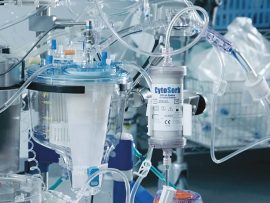
Abstract The usage of cardiopulmonary bypass (CPB) in cardiothoracic surgery contributes to the activation of the inflammatory response. In certain cases, the systemic inflammatory response may be immoderate, leading to..
Read More
Abstract Introduction The trial hypothesized that minimally invasive extra-corporeal circulation (MiECC) reduces the risk of serious adverse events (SAEs) after cardiac surgery operations requiring extra-corporeal circulation without circulatory arrest. Methods..
Read More
Abstract Objectives The FUWAI-SAVE system is a modified low-priming cardiopulmonary bypass (CPB) system. The study aimed to explore whether the FUWAI-SAVE system can reduce the perioperative blood transfusion and its..
Read More