


Abstract Intra-operative autologous blood donation is a blood conservation technique with limited evidence. We evaluated the association between intra-operative autologous blood donation and decrease in peri-operative transfusion in cardiovascular surgery..
Read More
Abstract We read with great interest the paper by Duncan et al. on the effect of hydroxyethyl starch (HES) on kidney and haemostatic function in cardiac surgical patients []. In their..
Read More
Abstract Background (HES) solutions increase the risk of (AKI) in critically ill patients admitted to intensive care unit (ICU) for medical indications. We conducted a cohort study to evaluate the renal..
Read More
Abstract Cardiac surgery is one of the most complex specialties in medicine, akin to a complex sociotechnical system. Patient outcomes are vulnerable to surgical flow disruptions (SFDs), a source of..
Read More
Abstract Background Neuropsychiatric complications of surgical are inconspicuous but frequent and clinically relevant. So far, attempts to reduce their occurrence, such as the introduction of off-pump coronary artery bypass (OPCAB) grafting..
Read More
Abstract Introduction: Despite low mortality, cardiac surgery patients may experience serious life-threatening post-operative complications, often due to extracorporeal circulation and reperfusion. Miniaturised cardiopulmonary bypass (minimally invasive extracorporeal circulation) has been..
Read More
Abstract From the dawn of open-heart surgery in the early 1950s, a sequence of significant scientific achievements rendered cardiac surgery as a routine practice in the treatment of heart diseases...
Read More
RESUMEN La vía final común de los efectos de la circulación extracorpórea es la hipoperfusión periférica, que se valora indirectamente a través de la utilización de O2 en la periferia. El Orthogonal..
Read More
RESUMEN La incidencia de lesiones neurológicas graves tras la cirugía cardíaca se ha establecido en un 6,1%: un 3,1% de lesiones focales y un 3% de lesiones difusas. Parece que..
Read More
Abstract Cardiac surgery is commonly associated with high blood loss and the need for allogeneic red blood cell (RBC) transfusion. In addition, 20–30% of cardiac surgical patients suffer from anaemia..
Read More
Abstract Background Children undergoing a cardiac surgical procedure are at increased risk for acute kidney injury (AKI). Novel biomarkers are needed to improve risk stratification of AKI after cardiac surgery...
Read More
Abstract Hemodynamic conditions with reduced commonly are observed in patients undergoing cardiac surgery and may range from moderate reductions in , as a side effect of general anesthetics, to a profound vasodilatory..
Read More
Abstract Cardiac surgery with cardiopulmonary bypass (CPB) induces an acute inflammatory response that may lead to a systemic inflammatory response syndrome. The interest in procalcitonin (PCT) in the diagnosis of..
Read More
Abstract Although most physicians are comfortable managing the limited effect of aspirin, the recent administration of potent P2Y12 receptor inhibitors in patients undergoing cardiac surgery remains a dilemma. Guidelines recommend discontinuation of..
Read More
Abstract The storytelling of contemporary cardiac surgery is narrated from early extra cardiac procedures to open heart surgery. The Italian author, Dr. Tesler, has been a testimonial of any step...
Read More
Abstract Background. Hyperoxia has long been perceived as a desirable or at least an inevitable part of cardiopulmonary bypass. Recent evidence suggest that it might have multiple detrimental effects on..
Read More
Abstract Background. Experimental studies suggest that mechanical cell washing to remove pro-inflammatory components that accumulate in the supernatant of stored donor red blood cells (RBCs) might reduce inflammation and organ..
Read More
Abstract Background Multiple randomized controlled trials of remote ischemic preconditioning (RIPC) prior to cardiac surgery have failed to demonstrate clinical benefit. The aim of this updated meta‐analysis was to evaluate..
Read More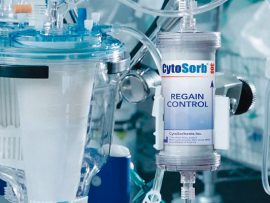
Abstract Background On-pump cardiac surgery triggers a significant postoperative systemic inflammatory response, sometimes resulting in multiple-organ dysfunction associated with poor clinical outcome. Extracorporeal cytokine elimination with a novel haemoadsorption (HA)..
Read More
Abstract The protective effects of preprocedural esmolol on myocardial injury and hemodynamics have not, to date, been investigated in patients who were scheduled for cardiac surgeries under a cardiopulmonary bypass..
Read More
Abstract Main Objectives To estimate the incidence of active bleeding after cardiac surgery (AB) based on a definition directly related on blood flow from chest drainage; to describe the AB..
Read More
The Relationship Between Oxygen Reserve Index and Arterial Partial Pressure of Oxygen During Surgery
Abstract BACKGROUND: The use of intraoperative pulse oximetry (Spo2) enhances hypoxia detection and is associated with fewer perioperative hypoxic events. However, Spo2 may be reported as 98% when arterial partial pressure..
Read More
Abstract PURPOSE: Cardiopulmonary bypass (CPB) procedures are thought to activate systemic inflammatory reaction syndrome (SIRS). Strategies to curb systemic inflammation have been previously described. However, none of them is adequate,..
Read More
Abstract Background Fibrinogen supplementation has been proposed both to prevent and treat postoperative bleeding in cardiac surgery. The optimal fibrinogen concentration trigger and target values and the fibrinogen concentrate dose..
Read More
Abstract Background. The mechanisms causing increased endothelial permeability after cardiopulmonary bypass (CPB) have not been elucidated. Using a bioassay for endothelial barrier function, we investigated whether endothelial hyperpermeability is associated..
Read More
Abstract Background. Bleeding remains a severe complication in cardiac surgery. Several studies have found an association between the preoperative plasma concentration of fibrinogen and postoperative bleeding in cardiac surgery patients...
Read More
Abstract Modern day cardiac surgery evolved upon the advent of cardiopulmonary bypass machines (CPB) in the 1950s. Following this development, cardiac surgery in recent years has improved significantly. Despite such..
Read More
Abstract A best evidence topic was written according to a structured protocol. The clinical question investigated was: is low serum albumin associated with postoperative complications in patients undergoing cardiac surgery?..
Read More
Abstract Intraoperative aortic dissection is a rare but fatal complication of open heart surgery. By recognizing the population at risk and by using a gentle operative technique in such patients,..
Read More
Abstract Background To evaluate the cardioprotective effects of sevoflurane versus propofol anesthesia in patients undergoing cardiac surgery. Methods Studies were retrieved through searching several databases. Study quality was evaluated by..
Read More