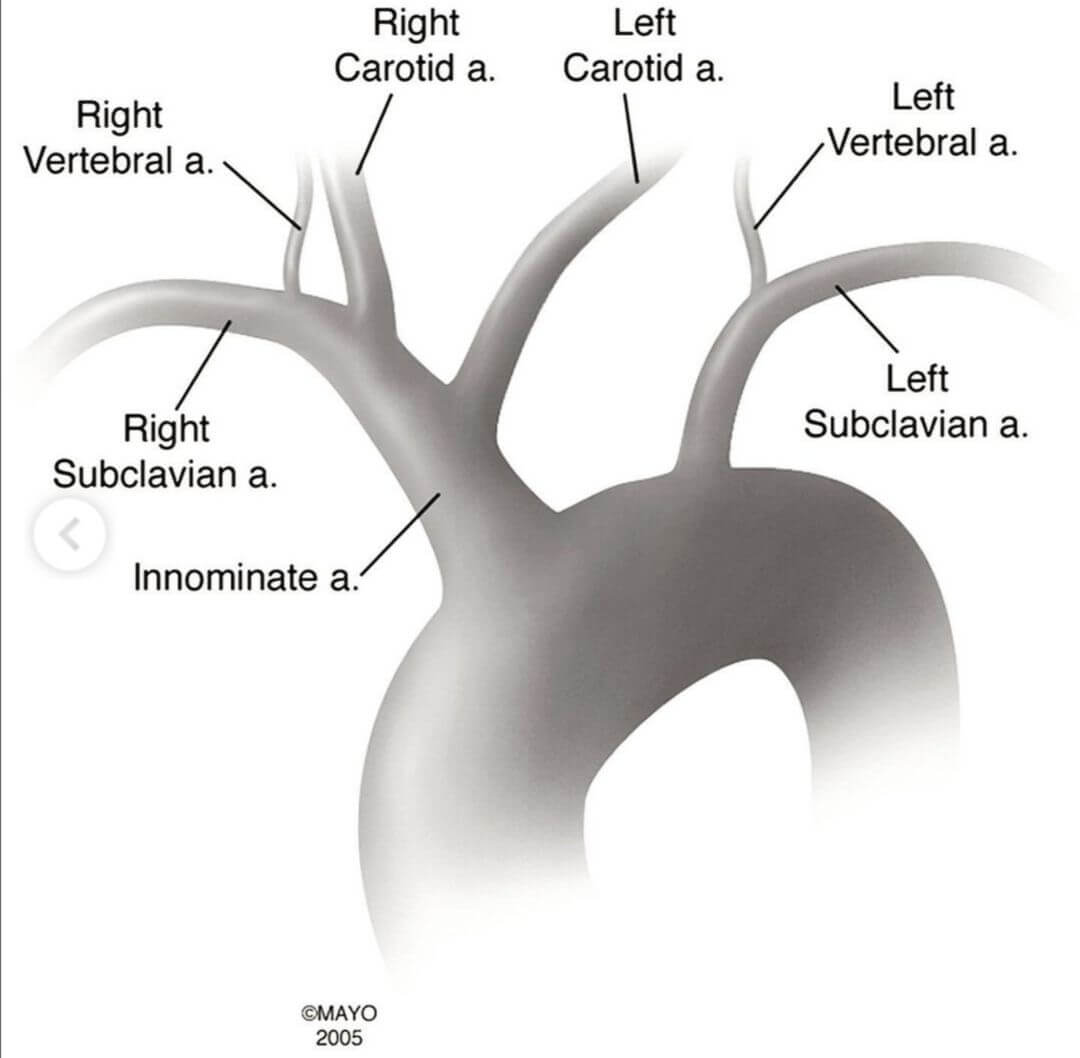
Progress in aortic arch surgery has paralleled advances in cerebral protection. Since DeBakey’s first successful arch repair, neurologic complications have remained a major determinant of outcomes. The evolution of cerebral protection began with deep hypothermic circulatory arrest, followed by the reintroduction of antegrade cerebral perfusion and the development of retrograde cerebral perfusion. These strategies have collectively improved neurologic outcomes and expanded the safety margin for complex arch reconstruction. Despite these advances, stroke remains one of the most devastating complications after aortic arch repair, occurring in 5%-10% of contemporary cases and contributing to up to 50% mortality. Recent registries have demonstrated decreasing operative mortality—currently 3%-9%, depending on pathology. However, further refinements are needed. This review summarizes modern stroke-prevention strategies during aortic arch surgery, focusing on 4 key components: (1) Meticulous pre- and intraoperative neurologic assessment; (2) Optimized arterial cannulation and perfusion techniques; (3) Tailored degrees of hypothermia; and (4) Adjunctive cerebral perfusion methods. A comprehensive understanding and individualized application of these elements are essential in minimizing neurologic injury and further improving outcomes in contemporary aortic arch surgery.