


Abstract Background Elevated arterial–central venous carbon dioxide partial pressure difference (AVCO2) may be an important marker to predict tissue and organ hypoperfusion in adults. We analyzed the hemodynamic data of..
Read More
Abstract The impact of cervical cannulation on neurologic outcome has not been yet studied among children receiving venoarterial extracorporeal membrane oxygenation (VA-ECMO) in the context of severe sepsis or septic..
Read More
Abstract Extracorporeal membrane oxygenation (ECMO) may be a life-saving procedure for patients with severe reversible pulmonary or cardiac failure or for patients in need for a bridge to transplantation. ECMO..
Read More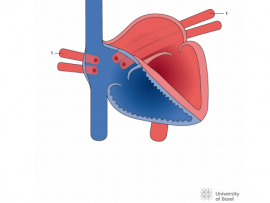
Total anomalous pulmonary venous return (TAPVR) is a rare congenital malformation in which all four pulmonary veins do not connect normally to the left atrium. Instead the four pulmonary veins..
Read More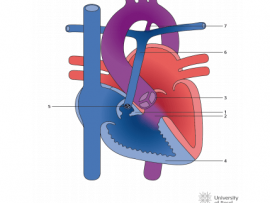
with is a more severe form of TOF, a type of heart defect. It’s a congenital condition, which means it’s something a baby is born with. Babies who have TOF with..
Read More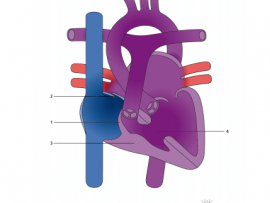
The normal pumping chambers of the heart (the ventricles) must have an inflow valve to let blood in, a good-sized pumping chamber and an outflow to allow blood to exit the..
Read More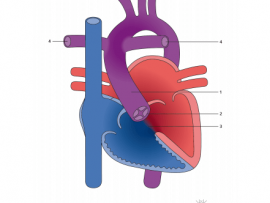
In patients with a TAC only one vessel originates from the heart chambers. Generally the common vessel (truncus) overrides a ventricular septal defect. Depending on the origin of the pulmonary..
Read More
Abstract Cardioplegia is used to induce cardiac arrest in order to facilitate cardiac surgery in patients supported by cardiopulmonary bypass. It is administered directly into the coronary vessels after the..
Read More
Abstract Background: Due to the substantial improvement in survival among pediatric patients undergoing congenital heart surgery, reducing early and long-term morbidity is becoming the major focus of care. Blood transfusion is..
Read More
Abstract Systemic hypertension (HTN) is a recognized complication of veno-venous (VV) extracorporeal membrane oxygenation (ECMO) in children. We sought to determine the prevalence and associated features of HTN in a..
Read More
Abstract A prospective, observational single-center study was carried out. Pediatric patients undergoing congenital heart defect surgery were evaluated before, during, and after surgery. At each time point, sublingual microcirculation and..
Read More
Abstract Objective Custodiol-HTK (Custodiol-HTK Koheler Chemie, GmbH, Bensheim, Germany) causes fluctuations in serum sodium levels, , and is associated with postoperative seizures. We investigated the influence of scavenging right atrial effluent during..
Read More
Abstract Objective: The aim of this study was to evaluate outcome measures between our standard multidose cardioplegia protocol and a del Nido cardioplegia protocol in congenital heart surgery patients. Methods:..
Read More
Abstract Objectives: A new congenital heart surgery database (CKCV) with real-time online reporting function was recently developed in Turkey. All standard international parameters were used, but Aristotle Comprehensive Complexity score..
Read More
Abstract Objectives: The Japan Cardiovascular Surgery Database–Congenital section (JCVSD-Congenital) and the European Congenital Heart Surgeons Association (ECHSA) Congenital Heart Surgery Database (CHSD) share the same nomenclature. We aimed at comparing..
Read More
Abstract In this issue of BMJ Quality and Safety, Jorro-Barón and colleagues report the findings of a stepped-wedge cluster randomised trial (SW-CRT) to evaluate the implementation of the I-PASS handover system among..
Read More
Abstract Objective: Mesenchymal stromal cells have important immunomodulatory and neuroprotective properties. The aim of this study was to evaluate the feasibility of mesenchymal stromal cell administration into a cardiopulmonary bypass..
Read More
Abstract Background Cardiomyopathies in advanced stages and highly complex congenital heart disease may not be amenable to therapy or surgical correction thus being indicated pediatric heart transplant. In this study,..
Read More
Abstract Objective To examine the altitude differences in the optimal perfusate oxygenation (PpO2) in patients who underwent cardiac surgery. Methods We included children (aged 1 month to 18 years) with surgically repaired between..
Read More
This case reports on a 10-year-old female (37 kg), who was admitted to the inpatient pediatric department with syncope with subsequent persistent somnolence and suspected intoxication. [pdf-embedder url="https://perfusfind.com/wp-content/uploads/2021/05/CoW_19_2021_E_web_compressed.pdf"]
Read More
Abstract Efforts to reduce the trauma and discomfort associated with thoracic and cardiac procedures in children have a long and complex history. While much of the early focus has been..
Read More
Abstract Donor shortage is a major limitation in organ transplantation. Several studies have reported that extracorporeal membrane oxygenation (ECMO)-assisted organ donation can be successfully completed without inducing warm ischemia in..
Read More
Abstract Background Little is known regarding the effect of cardiopulmonary bypass (CPB) reoxygenation on cardiac function following tetralogy of Fallot repair. We hypothesized that hyperoxic reoxygenation would be more strongly..
Read More
Abstract The coronavirus disease 2019 (COVID-19) pandemic has impacted people of all ages. Although children have been largely spared from the direct impact of the pandemic and only a minority..
Read More
Abstract Extra Corporeal membrane oxygenation (ECMO) is one of the most advanced forms of life support therapy in the Intensive Care Unit. It relies on the principle where an external..
Read More
Abstract Low cardiac output syndrome and the systemic inflammatory response are consequences of the cardiac surgical perioperative course. The mechanisms responsible are multifactorial, but recent studies have shown that nitric..
Read More
Abstract Background For over a decade, the preoperative timeout procedure has been implemented in most paediatric surgery units. However, the impact of this intervention has not been systematically studied. This..
Read More
Take Home Points: modified Dixon (mDixon) 3D cardiovascular magnetic resonance angiography (CMRA) demonstrates reduced artefact burden and better delineation of head and neck vessels as well as pulmonary veins compared..
Read More
Abstract Background Atrial flutter (AFL) is a supraventricular tachyarrhythmia. In the ECG tracing, it is marked by a fast, irregular atrial activity of 280–500 beats per minute. AFL is known..
Read More
Abstract OBJECTIVES: With evidence of benefits of pediatric palliative care (PPC) integration, we sought to characterize subspecialty PPC referral patterns and end of life (EOL) care in pediatric advanced heart..
Read More