


Abstract Critically ill patients sometimes require tandem application of extracorporeal membrane oxygenation (ECMO) and continuous renal replacement therapy (CRRT) which is easier and cheaper. We aimed to transform the kidney..
Read More
Cerebral Autoregulation: A Target for Improving Neurological Outcomes in Extracorporeal Life Support
Abstract Despite improvements in survival after illnesses requiring extracorporeal life support, cerebral injury continues to hinder successful outcomes. Cerebral autoregulation (CA) is an innate protective mechanism that maintains constant cerebral..
Read More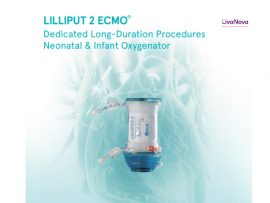
Abstract Extracorporeal membrane oxygenation (ECMO) circuit priming procedures are crucial for removing air bubbles and the albumin in priming solution is thought to create a protective layer against blood exposure..
Read More
Abstract Purpose: The outcomes of immunocompromised patients with cardiogenic shock treated with venoarterial extra‑corporeal membrane oxygenation (VA‑ECMO) are seldom documented, making ECMO candidacy decisions challeng‑ing. This study aims (1) to..
Read More
Abstract In a recent issue of Intensive Care Medicine, we read with great interest the article by Moyon et al. [1] who retro-spectively studied the outcomes of immunocompromised patients with..
Read More
Abstract The intricate management of hemostatic disorders in extracorporeal membrane oxygenation (ECMO) assisted patients poses challenges, particularly when procoagulant administration is necessary. We hereby report the performance of the Nautilus*..
Read More
Abstract Venovenous extracorporeal membrane oxygenation is used for respiratory support in the most severe cases of acute respiratory distress syndrome. Blood is drained from the large veins, oxygenated in an..
Read More
Abstract Although current studies support the use of prophylactic distal perfusion catheters (DPCs) to decrease limb ischemia in patients on venoarterial extracorporeal membrane oxygenation (VA ECMO), methods for monitoring limb..
Read More
Abstract Sublethal damage to red blood cells (RBCs) during extracorporeal life support (ECLS) may lead to RBC loss. Using flow cytometry, phosphatidylserine-positive (PhS+) RBCs and RBC extracellular vesicles were quantified..
Read More
Abstract Traumatic injury is associated with several pulmonary complications, including pulmonary contusion, transfusion-related acute lung injury (TRALI), and the development of acute respiratory distress syndrome (ARDS). There is a lack..
Read More
Abstract OBJECTIVES: To present recommendations and consensus statements with supporting literature for the clinical management of neonates and children supported with extracorporeal membrane oxygenation (ECMO) from the Pediatric ECMO Anticoagulation..
Read More
Abstract Background Large cannulae can increase cannula-related complications during venoarterial extracorporeal membrane oxygenation (VA ECMO). Conversely, the ability for small cannulae to provide adequate support is poorly understood. Therefore, we..
Read More
Abstract Introduction Extracorporeal techniques have been present in medicine for over 70 years. Many factors in history have influenced their development and popularisation, in particular the first discoveries of heparin..
Read More
Abstract Introduction Extracorporeal membrane oxygenation (ECMO) emergencies require skilled clinical specialist (CS) who manage ECMO circuits. While tools for assessing CS skills have been published, there is significant variation in..
Read More
Abstract Background The continuous exposure of blood to a non-biological surface during extracorporeal membrane oxygenation (ECMO) may lead to progressive thrombus formation in the oxygenator, hemolysis and consequently impaired gas..
Read More
Abstract Introduction Oxygenators for paediatric Extracorporeal Membrane Oxygenation (ECMO) are required to operate over a wide range of flow rates, in a patient group ranging from neonates through to fully..
Read More
Abstract Introduction In healthcare teams, psychological safety is associated with improved performance, communication, collaboration and patient safety. Extracorporeal membrane oxygenation (ECMO) retrieval teams are multidisciplinary teams that initiate ECMO therapy for..
Read More
Abstract According to the Extracorporeal Life Support Organization (ELSO) guidelines, pre-assembled and already primed extracorporeal membrane oxygenation (ECMO) systems can be safely stored for up to 30 days under specific..
Read More
Abstract Right ventricular failure (RVF) is a significant cause of mortality in patients undergoing left ventricular assist device (LVAD) implantation. Although right ventricular assist devices (RVADs) can treat RVF in..
Read More
Abstract Background: Acute respiratory distress syndrome (ARDS) presents a significant challenge in critical care settings, characterized by compromised gas exchange, necessitating in the most severe cases interventions such as veno-venous extracorporeal..
Read More
Abstract Target values for arterial carbon dioxide tension (PaCO2) in extracorporeal membrane oxygenation (ECMO) for acute respiratory distress syndrome (ARDS) are unknown. We hypothesized that lower PaCO2 values on ECMO would..
Read More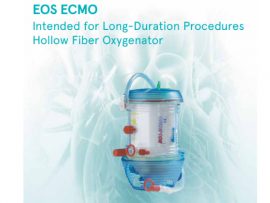
Abstract Predictive survival models have been proposed to esti-mate survival rates in patients with refractory cardio-genic shock considered for veno-arterial extracorporeal membrane oxygenation (VA-ECMO) [1, 2]. Notably, the Survival after..
Read More
Abstract Over the past decade, extracorporeal life support (ECLS) has gained increasing utilization in the management of refractory cardiogenic shock (CS) with a class IIaC recommendation according to the latest..
Read More
Abstract In critically ill patients with moderate to severe acute respiratory distress syndrome (ARDS) receiving invasive mechanical ventilation, prone positioning for 16 hours/day has been shown to confer significant mortality..
Read More
Abstract The continuous contact between blood and the foreign surface of the extracorporeal membrane oxygenation (ECMO) circuit contributes to hemostatic, inflammatory, and other physiological disturbances observed during ECMO. Although previous..
Read More
Abstract During extracorporeal membrane oxygenation (ECMO) support, the high shear stress in the ECMO circuit results in increased proteolysis of von Willebrand Factor (VWF), loss of VWF high molecular weight..
Read More
Abstract Postoperative survival for complete atrioventricular septal defect (cAVSD) is excellent. Common complications of surgery include valvular stenosis/regurgitation, left ventricular outflow tract obstruction, arrythmias, and residual defects. We report a..
Read More
Abstract Acute myocardial infarction-related cardiogenic shock (AMI-CS) carries a dismal prognosis. Short-term mortality is in the range of 40–50% [1]. Until recently, only treatment of the culprit lesion by percutaneous..
Read More
Abstract Aim Minimizing cardiac arrest times is critical in extracorporeal cardiopulmonary resuscitation (ECPR). Pre-primed extra corporeal membrane oxygenator (ECMO) is used for this, but knowledge is limited to experimental studies...
Read More
Abstract Background: The timely initiation of extracorporeal membrane oxygenation (ECMO) is crucial for providing life support. However, delays can occur when perfusionists are not readily available. The Jena Method aims to..
Read More