

Abstract Background Veno-arterial Extracorporeal Membrane Oxygenation (VA-ECMO) is a rescue treatment in refractory cardiogenic shock (CS) or refractory cardiac arrest (CA). Exposure to hyperoxemia is common during VA-ECMO, and its..
Read More
Extracorporeal membrane oxygenation in diabetic ketoacidosis-related cardiac and respiratory failure
Abstract Introduction: Diabetic ketoacidosis (DKA) is a common clinical problem. When patients develop severe shock and/or respiratory failure, extracorporeal membrane oxygenation (ECMO) may be considered. This case series describes the..
Read More
Abstract Introduction Growing evidence supports cardiopulmonary resuscitation (ECPR) for refractory out-of-hospital cardiac arrest (OHCA) patients, especially in experienced centres. We present characteristics, , and outcomes of patients treated with ECPR in a..
Read More
Abstract Diseases affecting the aortic arch often require surgical intervention. Hypothermic circulatory arrest (HCA) enables a safe approach during open aortic arch surgeries. Additionally, HCA provides neuroprotection by reducing cerebral..
Read More
Abstract Introduction Survival from refractory out of hospital cardiac arrest (OHCA) without timely return of spontaneous circulation (ROSC) utilising conventional advanced cardiac life support (ACLS) therapies is dismal. CHEER3 was..
Read More
Abstract The pathophysiology of post-cardiac arrest syndrome features ischaemic/reperfusion injury and the release of high levels of inflammatory cytokines [1]. These inflammatory markers include interleukin-6 (IL-6), C-reactive protein (CRP), tumour..
Read More
Abstract Venoarterial extracorporeal membrane oxygenation (VA-ECMO) initiation for patients with cardiogenic shock or cardiac arrest is an attractive strategy since it provides a quick restoration of organ perfusion. One major..
Read More
Abstract Cardiogenic shock (CS) and cardiac arrest (CA) are among the most lethal complications of acute cardiovascular disease, affected by high in-hospital mortality rates. Venoarterial extracorporeal life support (VA ECLS)..
Read More
Abstract Advanced Cardiac Life Support (ACLS) guidelines recommend a standardized approach to manage cardiac arrest, including cardiopulmonary resuscitation (CPR), defibrillation, and administration of drugs such as epinephrine [1]. Ultrasound (US)..
Read More
Abstract Background Perioperative stroke after cardiac surgical procedures carries significant morbidity. Dual with electroencephalography (EEG) and somatosensory-evoked potentials detects cerebral hypoperfusion and predicts postoperative stroke in noncardiac procedures. We further evaluated..
Read More
Abstract Background Extracorporeal cardiopulmonary resuscitation (ECPR) has been shown to improve neurologically favorable survival for patients with refractory ventricular tachycardia (VT)/ventricular fibrillation (VF) out-of-hospital cardiac arrest. Prior studies of the impact of age..
Read More
Abstract Venoarterial extracorporeal membrane oxygenation (VA-ECMO) exposes the patient to infectious complications related to the cannulas or the site of insertion. The aim of the current study was to investigate..
Read More
Abstract OBJECTIVES: Extracorporeal membrane oxygenation (ECMO) is an advanced treatment for acute severe respiratory failure. Patients on ECMO are frequently maintained sedated and immobilized until weaning from ECMO, first, and..
Read More
Abstract The International Liaison Committee on Resuscitation engages in a continuous review of new, peer-reviewed, published cardiopulmonary resuscitation and first aid science. Draft Consensus on Science With Treatment Recommendations are..
Read More
Abstract Purpose: Patients who are successfully resuscitated following out‑of‑hospital cardiac arrest (OHCA) are still at a highrisk of neurological damage and death. Inflammation and brain injury are components of the..
Read More
Abstract Background: Veno-arterial extracorporeal membrane oxygenation (VA-ECMO) can re-establish tissue perfusion in refractory cardiac arrest requiring cardiopulmonary resuscitation (CPR). Levosimendan showed potential benefit in VA-ECMO weaning and mortality but was not..
Read More
Abstract Hemodynamic instability in postresuscitation syndrome worsens survival and neurological outcomes. Venoarterial extracorporeal membrane oxygenation (VA ECMO) for refractory cardiac arrest might improve outcomes. Hemodynamical support under VA ECMO relies..
Read More
Abstract Supplemental oxygen is a standard therapeutic intervention for critically ill patients such as patients suffering from cardiac arrest, myocardial ischemia, traumatic brain injury, and stroke. However, the optimal oxygenation..
Read More
Abstract Introduction: Critically ill patients with inflammatory dysregulation and organ disfunction may benefit from blood purification, although the use of this technique has not been described in large case series. We..
Read More
Abstract Children who experience cardiac arrest are one and a half times more likely to survive at a hospital capable of providing the life support system called ECMO, research suggests...
Read More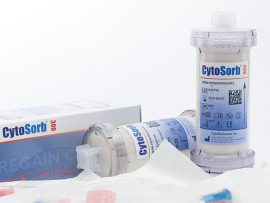
Abstract Introduction Cytokine adsorption using the CytoSorb® adsorber has been proposed in various clinical settings including sepsis, ARDS, hyperinflammatory syndromes, cardiac surgery or recovery after cardiac arrest. The aim of..
Read More
Abstract Background Postoperative acute kidney injury (AKI) in cardiac surgery patients is multifactorial and associated with low oxygen delivery (DO2) during cardiopulmonary bypass. Methods Cardiac surgical patients undergoing full cardiopulmonary..
Read More
Abstract Aim of the Review: Improving rates of organ donation among patients with out-of-hospital cardiac arrest who do not survive is an opportunity to save countless lives. The objectives of..
Read More
Abstract BACKGROUND Despite advances in defibrillation technology, shock-refractory ventricular fibrillation remains common during out-of-hospital cardiac arrest. Double sequential external defibrillation (DSED; rapid sequential shocks from two defibrillators) and vector-change (VC)..
Read More
Abstract Background The severity of tissue hypoxia is routinely assessed by serum lactate. We aimed to determine whether early lactate levels predict outcomes in refractory out-of-hospital cardiac arrest (OHCA) treated..
Read More
Abstract Purpose: Venoarterial extracorporeal membrane oxygenation (VA-ECMO) is a complex and high-risk life support modality used in severe cardiorespiratory failure. ECMO survival scores are used clinically for patient prognostication and..
Read More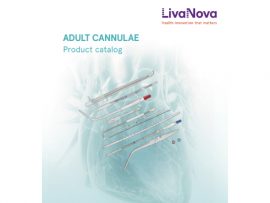
Abstract Distal perfusion cannulas, DPCs, are increasingly used to prevent limb ischemia, frequent and potentially serious complication on peripheral veno-arterial extracorporeal membrane oxygenation (V-A ECMO) support. We report the case..
Read More
Abstract Background and Objective: Resuscitative therapies for respiratory and cardiac failure are lifesaving and extended by using extracorporeal life support (ECLS) as mechanical circulatory support (MSC). This review informs the debate..
Read More
Abstract We sought to remedy the limited guidance that is available to support the resuscitation of patients with the Impella Cardiac Power (CP) and 5.0 devices during episodes of cardiac..
Read More
Abstract Extracorporeal cardiopulmonary resuscitation is a promising treatment for refractory out-of-hospital cardiac arrest. Three recent randomized trials (ARREST-trial, Prague OHCA study, and INCEPTION-trial) that addressed the clinical benefit of ECPR..
Read More