


Abstract Objective: The aim of this study was to assess the cost-effectiveness of early versus late initiation of extracorporeal membrane oxygenation (ECMO) in pediatric patients with acute respiratory distress syndrome..
Read More
Abstract Objectives To determine whether low pre- or post-bypass antithrombin (AT) activity identifies adult cardiac surgery patients at increased risk of adverse outcomes in settings where plasma transfusion is rare...
Read More
Abstract Background Chronic respiratory diseases are the third leading global cause of death. As lung transplantation is a definitive treatment for highly selected candidates, extracorporeal membrane oxygenation (ECMO) can be..
Read More
Abstract Extracorporeal membrane oxygenation is increasingly used in the early postoperative period after lung transplantation, mainly to support patients with primary graft dysfunction and severe right ventricular failure. Recipients with..
Read More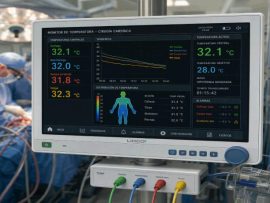
Abstract Deep hypothermic circulatory arrest (DHCA) is widely used during complex aortic arch surgery to reduce metabolic demand and protect vital organs. Conventional temperature management assumes that restoration of core..
Read More
Abstract Acute severe asthma exacerbations are life-threatening critical care emergencies characterized by profound airflow obstruction, respiratory acidosis, and risk for cardiopulmonary arrest. For the purposes of this review, the term..
Read More
Abstract Aims The primary aim of this systematic review was to identify nurse-led clinical interventions evaluated in randomized controlled trials (RCTs) for adults who had undergone cardiac surgery. The secondary..
Read More
Abstract Cold-induced urticaria is a chronic urticaria subtype which can result in a severe, life-threating, anaphylaxis type reaction to cold stimuli. While a rare condition, it has potentially significant implications..
Read More
Abstract Extracorporeal cardiopulmonary resuscitation (ECPR) has emerged as a promising strategy for selected patients with refractory cardiac arrest, improving survival and the likelihood of favorable neurological outcomes. However, neurological prognostication..
Read More
Abstract As extracorporeal membrane oxygenation technology has evolved, interest in awake peripheral venoarterial extracorporeal membrane oxygenation has grown. This approach poses new challenges in patient monitoring. East-west syndrome is a..
Read More
Abstract Objective Extreme serum hyperlactatemia is common after cardiac surgery but can portend organ ischemia and mortality. Thus, we sought to determine which lactate thresholds warrant concern at various time..
Read More
Abstract Background Extracorporeal circulation (ECC) has become an important component in cardiac surgery, for cardiopulmonary support, and as a bridge to transplantation. Optimization of systems, components, and management requires further..
Read More
Abstract Objectives To evaluate perioperative changes in cutaneous microcirculation and microvascular reactivity using hyperspectral imaging (HSI) with a standardized vascular occlusion test (VOT) in cardiac surgery with cardiopulmonary bypass (CPB),..
Read More
Abstract Salvaging residual circuit blood upon extracorporeal membrane oxygenation (ECMO) discontinuation is a clinically valuable blood conservation strategy, mirroring standard cardiopulmonary bypass protocols. We describe a simplified technique using an..
Read More
Abstract Background The objective of this secondary analysis was to examine the impact of 2 perfusion modalities on S100 calcium-binding protein B (S100B) levels and neural injury outcomes in patients..
Read More
Abstract Upper-body peripheral arterial return is used during veno-arterial extracorporeal membrane oxygenation (VA-ECMO), but its clinical tradeoffs versus femoral return are uncertain. We reviewed observational studies comparing upper-body to femoral..
Read More
Abstract Introduction Neurocognitive impairments are frequent in congenital heart disease. The Boston Circulatory Arrest Study (BCAS) is a randomized trial comparing the developmental and neurological outcomes of newborns born with..
Read More
Abstract In Japan, the average waiting time for deceased-donor lung transplantation exceeds 900 days, and living-donor lung transplantation (LDLT) has been performed in a certain number of patients who are..
Read More
Abstract Introduction Tetralogy of Fallot (TOF) is the most common cyanotic heart disease (CHD). The associated cardiac abnormalities disrupt oxygenation and depending on disease severity, infants with TOF syndrome are..
Read More
Abstract Background The relationship between rewarming rate during cardiopulmonary bypass (CPB) and postoperative delirium (POD) in cardiac surgery remains unclear. This retrospective study aimed to evaluate whether rapid rewarming is..
Read More
Abstract Objectives Anticoagulation during extracorporeal membrane oxygenation (ECMO) remains challenging. Direct thrombin inhibitors such as argatroban are increasingly proposed as alternatives to unfractionated heparin (UFH). We sought to characterize the..
Read More
Abstract Rheumatic heart disease (RHD) remains a significant public health challenge in Latin America, disproportionately affecting vulnerable populations despite global declines in disease prevalence and mortality. It is known that..
Read More
Abstract Introduction Blood lactate level (LL) is a useful predictor of physiological issues during extracorporeal circulation (ECC) treatment. To determine variations in LL depending on the hemocompatible coatings used for..
Read More
Abstract OBJECTIVE Vasoactive-inotropic scores (VIS) are used as predictors of outcome in pediatric and adult patients with cardiogenic shock undergoing cardiac surgery. VIS is calculated by combining the doses of..
Read More
Abstract Severe acute respiratory distress syndrome (ARDS) is associated with substantial morbidity and mortality ranging from 37 to 44%. Although extracorporeal membrane oxygenation (ECMO) is often indicated in ARDS, it..
Read More
Abstract Background Considerable variability persists in coagulation management during cardiopulmonary bypass (CPB) supported cardiac surgery. This survey aimed to describe contemporary reported practices across international settings. Methods A cross-sectional, web-based..
Read More
Abstract Thrombus on implants is dangerous, necessitating anticoagulant coatings for most of blood-contacting devices with various substances. So far, there is no universal strategy of the pertinent surface modification for..
Read More
Abstract Background The clinical significance of ECMO liberation before heart transplantation remains poorly defined. Objectives To identify predictors of pre-transplant ECMO liberation and evaluate its association with 1-year post-transplant survival...
Read More
Abstract Background: Multisystem inflammatory syndrome in children (MIS-C) is a relatively rare complication of COVID-19, with frequent cardiovascular involvement, in terms of pericarditis, valvulitis, coronary aneurysms, and myocardial dysfunction/cardiogenic shock...
Read More
Abstract Post–myocardial infarction (PMI) ventricular septal defect (VSD) repair is associated with high mortality., The pathophysiology varies based on the size of the infarction and the VSD, which results in..
Read More