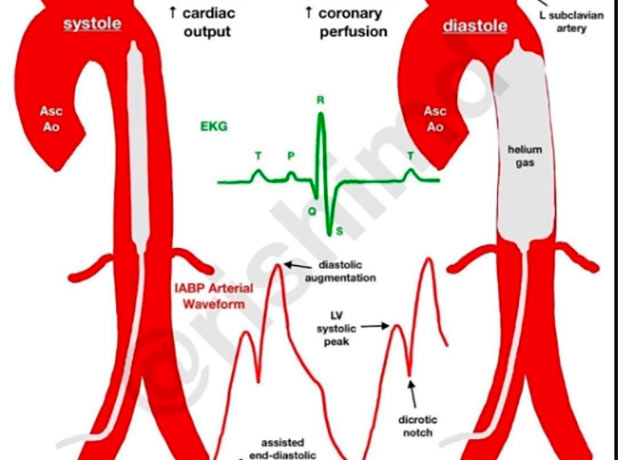

Normothermic regional perfusion (NRP) is a strategy of postmortem reperfusion with warm oxygenated blood of a portion of the body applied in donors undergoing circulatory determination of death (DCDDs). Normothermic regional perfusion is aimed to shorten warm ischemic time, and to restore a near physiological environment throughout surgical recovery procedure. The regionalization of perfusion is aimed to prevent cerebral reperfusion, with an ethical and legal rationale. Endovascular occlusion of the aorta, accomplished inserting a balloon catheter through the femoral artery, is frequently implemented to provide the splanchnic regionalization required during abdominal NRP (A-NRP). As evidence accumulates, NRP is increasingly used, and extended criteria and older donors are increasingly enrolled in organ procurement programs. Vascular comorbidities, particularly age-related, or vascular anatomical anomalies could be identified in a growing number of donors. We describe a strategy of endovascular balloon occlusion through the axillary artery in controlled DCDDs undergoing A-NRP. Its invasiveness, effectiveness, and resource requirement are equivalent to the conventional approach. This procedure may represent a valuable alternative when femoral vessels could not be accessed for any clinical reason, avoiding the need to rush for surgical access to provide aortic cross-clamping, delaying NRP initiation and increasing warm ischemic time.
