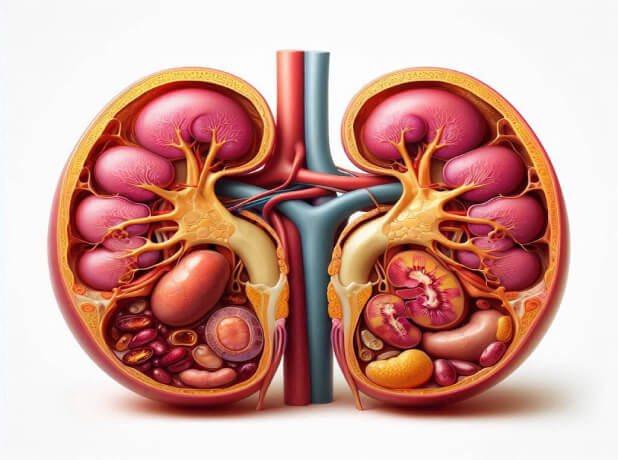
Acute kidney injury (AKI) is a common, heterogeneous, multifactorial condition, which is part of the overarching syndrome of acute kidney diseases and disorders. This condition’s incidence highest in low-income and middle-income countries. In the short term, AKI is associated with increased mortality, an increased risk of complications, extended stays in hospital, and high health-care costs. Long-term complications include chronic kidney disease, kidney failure, cardiovascular morbidity, and an increased risk of death. Several strategies are available to prevent and treat AKI in specific clinical contexts. Otherwise, AKI care is primarily supportive, focused on treatment of the underlying cause, prevention of further injury, management of complications, and short-term renal replacement therapy in case of refractory complications. Evidence confirming that AKI subphenotyping is necessary to identify precision-oriented interventions is growing. Long-term follow-up of individuals recovered from AKI is recommended but the most effective models of care remain unclear.