


Comprehensive surgical technique for the neonatal and infant Ross Konno procedure – technical pearls
Abstract The Ross Konno procedure is a technically demanding operation in neonates and infants, particularly in small babies and those with significant aortic annular and left ventricular outflow tract hypoplasia...
Read More
Abstract Extracorporeal membrane oxygenation (ECMO) is commonly used for critically ill patients and associated with high rates of kidney injury and mortality. This study aimed to assess the impact of..
Read More
Abstract Background Glucagon-like peptide-1 receptor agonist (GLP-1RA) therapies are increasingly used for the treatment of type 2 diabetes mellitus and obesity. Despite growing awareness of potentially increased risk of pulmonary..
Read More
Abstract Objectives To investigate copeptin levels during the full perioperative course in open, adult cardiac surgery with cardiopulmonary bypass (CPB). Design Prospective cohort study. Setting A single-center study conducted in..
Read More
Abstract Analyzing cardiac pulse waveforms offers valuable insights into heart health and cardiovascular disease risk, although obtaining the more informative measurements from the central aorta remains challenging due to their..
Read More
Abstract This is a man in his late 70s with a history of myocardial infarction and congenital factor XI (FXI) deficiency, who underwent urgent coronary artery bypass surgery for coronary..
Read More
Abstract Background: del Nido cardioplegia (dNC) solution is widely used in pediatric and congenital cardiac surgery. In 2014, Cincinnati Children’s Hospital Medical Center (CCHMC) changed from Mee cardioplegic solution to..
Read More
Abstract Importance The phenomenon of a weekend effect refers to a higher potential for adverse outcomes in patients receiving care over the weekend. Few prior studies have comprehensively investigated the effects of postoperative..
Read More
Abstract The study Women in cardiac surgery: A global workforce analysis by Izumi et al. [1] provides important insights into women’s representation in the field of cardiac surgery worldwide and offers a useful benchmark..
Read More
Abstract OBJECTIVES The study’s aim was to investigate the outcomes and risk factors for mortality in patients undergoing surgery for acute type A aortic dissection receiving concomitant venoarterial extracorporeal membrane..
Read More
Abstract BACKGROUND: Postoperative anemia is a common complication after cardiac surgery, often persisting for months and substantially affecting patient recovery. Despite its prevalence, optimal treatment strategies are lacking. We aimed..
Read More
Abstract OBJECTIVES Extracorporeal membrane oxygenation (ECMO) can act as a bridge to recovery in both pre- and postoperative patients with transposition of the great arteries (TGA). However, literature on its..
Read More
Abstract Cardioplegic arrest and cardiopulmonary bypass (CP/CPB) are known to engender microvascular dysfunction in patients undergoing cardiac surgery. These effects are significantly varied by patient comorbidities including diabetes and hypertension...
Read More
Abstract Background Coronary artery bypass grafting (CABG) is one of the most effective treatments for improving the quality of life in patients with severe coronary artery disease. However, these patients..
Read More
Abstract Brain injury is still a serious complication after cardiac surgery. Gaseous microemboli (GME) are known to contribute to both short and longer-term brain injury after cardiac surgery. Hypobaric and..
Read More
Abstract Following cardiopulmonary bypass (CPB) surgery, patients may experience vasoplegic or vasogenic shock syndrome. This condition has a variable incidence, reaching up to 44% in high-risk patients, with mortality rates..
Read More
Abstract Objective This study aimed to assess the safety and potential efficacy of high-dose inhaled nitric oxide therapy for the prevention of postoperative pneumonia in cardiac surgery patients Methods A..
Read More
Abstract Background Venoarterial extracorporeal membrane oxygenation (VA ECMO) is a critical therapeutic intervention that is commonly used in the management of paediatric patients with congenital heart disease (CHD). This procedure..
Read More
Abstract Background Casualties of military conflicts suffer a multitude of injuries, and recent research has documented a significant number develop acute respiratory distress syndrome (ARDS). The present study undertakes a..
Read More
Abstract OBJECTIVES The study’s aim was to investigate the outcomes and risk factors for mortality in patients undergoing surgery for acute type A aortic dissection receiving concomitant venoarterial extracorporeal membrane..
Read More
Abstract Background The optimal fluid management strategy for patients undergoing on-pump cardiac surgery was controversial regarding the fluid types. This study aimed to compare the impact of hydroxyethyl starch (HES)..
Read More
Abstract In massive pulmonary embolism (PE), endovascular therapies and extracorporeal membrane oxygenation (ECMO) are increasingly utilised. However, the impact of combining endovascular therapies with ECMO on shock resolution and clinical recovery remains..
Read More
Abstract Introduction Thromboelastography (TEG), which indicates hemostatic ability, is useful for monitoring coagulation during extracorporeal circulation (ECC). However, the extent to which TEG levels are independently affected by ECC exposure..
Read More
Abstract Importance Clinical decision-making in thrombotic disorders is impeded by long-standing uncertainty regarding the magnitude of venous and arterial thrombosis risk associated with low protein S. Population-scale multiomic datasets offer an..
Read More
Abstract Introduction Cardiac surgery is fraught with increased consumption of blood and blood products. Various strategies for blood conservation have been described. Our aim was to study the impact of..
Read More
Abstract OBJECTIVES An urgent transition to environmentally sustainable healthcare is required. The purpose of this study was to identify key areas for environmental impact mitigation for a coronary artery bypass..
Read More
Introduction Cardiopulmonary bypass (CPB) has long been a cornerstone of cardiac surgery. However, conventional CPB circuits are associated with a range of physiological disturbances including hemodilution, inflammatory response, and coagulopathy...
Read More
Introduction Cardiac surgery is a highly specialized and complex field that requires the seamless coordination of multiple professionals, each bringing their expertise to ensure a successful outcome. The success of..
Read More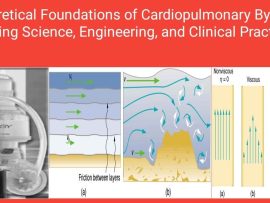
Introduction: A Heart That Pauses, A Circuit That Lives When the heart is arrested during cardiac surgery, life continues—thanks to cardiopulmonary bypass (CPB). The theoretical underpinnings of CPB stem from..
Read More
Abstract Perfusionists are central to life-sustaining interventions such as cardiopulmonary bypass (CPB), extracorporeal membrane oxygenation (ECMO), and mechanical circulatory support. While the technical dimensions of their work are well recognized,..
Read More