


Abstract Introduction Transfusion may increase the risk of organ failure through immunomodulatory effects. The primary objective of this study was to assess for patient or transfusion-related factors that are independently..
Read More
Abstract Heart transplantation utilizing deceased after circulatory death (DCD) donors has expanded the donor pool through the use of ex vivo normothermic perfusion. Compared with brain death donation, the conventional..
Read More
Abstract Background Cardiac surgery triggers a strong inflammatory reaction, which carries significant clinical consequences. Corticosteroids have been suggested as a potential perioperative strategy to reduce inflammation and help prevent postoperative..
Read More
Abstract Introduction Over the past decade, there has been an increase in the use of recombinant Anti-Thrombin III (AT-III) administration during neonatal and pediatric short- and long-term mechanical support for..
Read More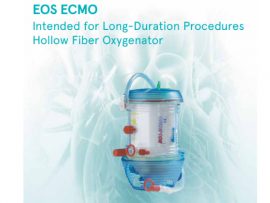
Abstract Refractory septic shock is associated with a high risk of death. Circulatory support in the form of veno-arterial extracorporeal membrane oxygenation (VA ECMO) may function as a bridge to..
Read More
Abstract Introduction Retrograde Autologous Priming (RAP) of cardiopulmonary bypass (CPB) circuits is an effective way to reduce prime volume, commonly through the transfer of prime into separate reservoirs or circuit..
Read More
“COMMANDO PROCEDURE” in a Patient with Aortic and Mitral Valve Prostheses: A Fourth Intervention for Bacterial Endocarditis. 1. Right femoral artery and vein cannulation 2. Resternotomy. 3. Lysis of..
Read More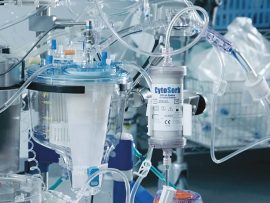
Abstract ExtraCorporeal Liver Support (ECLS) systems were developed with the aim of supporting the liver in its detoxification function by clearing the blood from hepatic toxic molecules. We conducted a..
Read More
Abstract Veno‐venous extracorporeal membrane oxygenation (VV-ECMO) in severe acute respiratory distress syndrome (ARDS) can be lifesaving. In these cases, the complex brain-lung crosstalk might lead to a form of acute..
Read More
Abstract Background: Nitric Oxide (NO) is a naturally occurring modulator of inflammation found in the human body. Several studies in the pediatric cardiothoracic surgery literature have demonstrated some beneficial clinical effects..
Read More
Abstract Management of fluids has progressively moved towarda more dynamic and functional approach based on theprediction of fluid responsiveness (FR), to improve effi-cacy and benefits and limit detrimental effects of..
Read More
Abstract Heparins have been invaluable therapeutic anticoagulant polysaccharides for over a century, whether used as unfractionated heparin or as low molecular weight heparin (LMWH) derivatives. However, heparin production by extraction..
Read More
Abstract Background: Thrombosis within extracorporeal membrane oxygenation (ECMO) circuits is a common complication that dominates clinical management of patients receiving mechanical circulatory support. Prior studies have identified that over 80%..
Read More
Abstract OBJECTIVES To compare the independent and combined effects of anaemia and red blood cell transfusion on late survival after isolated coronary artery bypass grafting. METHODS Retrospective analysis of 5243..
Read More
Abstract Objectives: Depression has been associated with increased cardiovascular morbidity and mortality. This study aimed to determine whether self-reported preoperative depressive symptoms were associated with worse long-term survival in patients undergoing..
Read More
Abstract Background Sleep disturbance is highly prevalent among post-operative cardiac patients, with negative impacts on surgical recovery and rehabilitation. Post-operative pain and anxiety commonly seen in cardiac surgery patients are..
Read More
Abstract Implementation science is a nascent field that aims to study the factors that influence the effectiveness of a given clinical intervention, such as the characteristics of the individuals involved,..
Read More
Abstract Current shock guidelines recommend norepinephrine as the first-line vasopressor to increase mean arterial pressure (MAP) and eventually restore tissue perfusion []. Norepinephrine (or noradrenaline) is an endogenous catecholamine, produced..
Read More
Abstract Objective The effects of stroke and delirium on postdischarge cognition and patient-centered health outcomes after surgical aortic valve replacement (SAVR) are not well characterized. Here, we assess the impact..
Read More
Abstract Goal: Microbubbles (MBs) are known to occur within the circuits of cardiopulmonary bypass (CPB) systems, and higher-order dysfunction after cardiac surgery may be caused by MBs as well as..
Read More
Abstract Common for major surgery, multitrauma, sepsis, and critical illness, is a whole-body inflammation. Tissue injury is able to trigger a generalized inflammatory reaction. Cell death causes release of endogenous..
Read More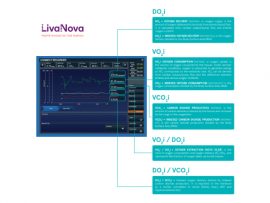
Abstract Purpose: Goal-directed perfusion (GDP) refers to individualized goal-directed therapy using comprehensive monitoring and optimizing the delivery of oxygen during cardiopulmonary bypass (CPB). This study aims to determine whether the intraoperative..
Read More
Abstract Introduction Evidence suggests that Extracorporeal Cardiopulmonary Resuscitation (ECPR) can improve survival rates for nontraumatic out-of-hospital cardiac arrest (OHCA). However, when ECPR is indicated over 50% of potential candidates are..
Read More
Abstract Despite immediate coronary revascularization, mortality of patients experiencing infarct-related cardiogenic shock (AMICS) remains high [1]. Over the past decade, there has been a growing interest in the use of..
Read More
Abstract Background Extracorporeal membrane oxygenation (ECMO) is a rescue therapy in patients with severe acute res‑piratory distress syndrome (ARDS) secondary to COVID‑19. While bleeding and thrombosis complicate ECMO, theseevents may..
Read More
Abstract Objective: To investigate the correlation between the amount of sufentanil used during anesthesia and intraoperative hemodynamic fluctuation and postoperative recovery in patients undergoing cardiopulmonary bypass (CPB). Materials and Methods: A retrospective..
Read More
Abstract We tested whether the brain and kidney respond differently to cardiopulmonary bypass (CPB) and to changes in perfusion conditions during CPB. Therefore, in ovine CPB, we assessed regional cerebral..
Read More
Abstract Intraoperative antithrombotic drug removal by haemoadsorption is a novel strategy to reduce perioperative bleeding in patients on antithrombotic drugs undergoing cardiac surgery. The international STAR registry reports real-world clinical..
Read More
Abstract Mortality in infarct-related as well as heart failure-associated cardiogenic shock remains high, reaching 40–50% depending on the etiology and severity of cardiogenic shock. Percutaneous active mechanical circulatory support devices..
Read More
Abstract Extracorporeal membrane oxygenation (ECMO) is a form of cardiorespiratory support, and is being increasingly used to support refractory heart and respiratory failure. It involves draining blood from the vascular..
Read More