


Abstract Introduction Veno-venous extracorporeal membrane oxygenation (VV ECMO) has become a support modality for patients with acute respiratory failure refractory to standard therapies. VV ECMO has been increasingly used during..
Read More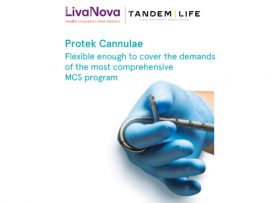
Abstract Objective: The ProtekDuo with oxygenator mimics veno-venous (V-V) extracorporeal membrane oxygenation (ECMO) in veno-pulmonary (V-P) configuration. We have recently developed a new configuration by utilizing a 25 Fr multistage femoral..
Read More
Abstract Background: Veno-Venous Extracorporeal Membrane Oxygenation (VV-ECMO) is one effective treatment for COVID-19 pneumonia, but controversy regarding VV-ECMO management in obese patients still exists. In this report, we described a case..
Read More
Abstract Objectives: Despite increasing use and promising outcomes, venovenous extracorporeal membrane oxygenation (V-V ECMO) introduces the risk of a number of complications across the spectrum of ECMO care. This narrative review describes..
Read More
Abstract The ProtekDuo, single site dual lumen cannula can be used in a multitude of configurations. In the medical literature, the ProtekDuo is described as right ventricular assist device (RVAD),..
Read More
Abstract Veno-venous Extracorporeal Membrane Oxygenation (ECMO) is used in the most severe cases of respiratory failure and further exacerbates the patients’ inflammatory status. Antithrombin is supplemented during ECMO for its..
Read More
Abstract Venovenous extracorporeal membrane oxygenation (VV ECMO) has been used to treat severe coronavirus disease 2019 (COVID-19) acute respiratory distress syndrome; however, patient selection criteria have evolved throughout the pandemic...
Read More
Abstract A study published in March 2022 evaluated complications and in-hospital mortality in patients treated with Venovenous (VV) ECMO based on cannula locations and transport mode. The manuscript, written by..
Read More
Abstract El síndrome de dificultad respiratoria del adulto (SDRA) por el virus SARS-CoV-2 tiene una alta morbi-mortalidad secundaria al severo compromiso pulmonar sumado a una respuesta inmune disregulada, causal de..
Read More
Abstract Veno-venous extracorporeal membrane oxygenation is indicated in patients with acute respiratory distress syndrome and severely impaired gas exchange despite evidence-based lung protective ventilation, prone positioning and other parts of..
Read More
Abstract Acute Respiratory Distress Syndrome (ARDS) accounts for 10% of ICU admissions and affects 3 million patients each year. Despite decades of research, it is still associated with one of..
Read More
Abstract The outcome of patients with coronavirus disease (COVID-19) treated in ICUs is unsatisfying (). Venovenous extracorporeal membrane oxygenation (vvECMO) can serve as a rescue strategy when patients deteriorate during..
Read More
Abstract Background During extracorporeal life support (ECLS), bleeding is one of the most frequent complications, associated with high morbidity and increased mortality, despite continuous improvements in devices and patient care...
Read More
Abstract OBJECTIVES: The study investigated the impact of prone positioning during venovenous extracorporeal membrane oxygenation support for coronavirus disease 2019 acute respiratory failure on the patient outcome. DESIGN: An observational..
Read More
Veno Venöz Ekstrakorporeal Membran Oksijenasyonu (VV ECMO) ile Desteklenen Yetişkin Hastaların Yönetimi. Düzenleyen : Perfüzyonist Sedat Gündöner GİRİŞ Bu kılavuzda VV ECMO ile desteklenen yetişkin hastalar klinik yönetimi için öneriler..
Read More
Abstract Background Twenty percent of pediatric patients with BA develop ACLF with increased mortality while awaiting LT. Respiratory complications are common in pediatric ACLF and are associated with increased morbidity..
Read More
Abstract Objective To estimate the effect of extracorporeal membrane oxygenation (ECMO) compared with conventional mechanical ventilation on outcomes of patients with covid-19 associated respiratory failure. Design Observational study. Setting 30 countries across five..
Read More
Abstract Accidental hypothermia with a core temperature below 28°C is associated with an increased risk of hemodynamic instability. It is difficult to predict which patients will survive with a favorable..
Read More
Abstract Background: Venovenous ECMO is a lifesaving technique for patients with severe respiratory failure. Management of carbon dioxide (CO2) levels at ECMO start is crucial, as recent studies found an association..
Read More
Abstract Few patients with coronavirus disease 2019–associated severe acute respiratory distress syndrome (ARDS) require veno-venous extracorporeal membrane oxygenation (VV-ECMO). Prolonged VV-ECMO support necessitates repeated oxygenator replacement, increasing the risk for..
Read More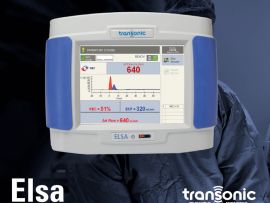
Over the last two years, Extracorporeal Membrane Oxygenation (ECMO) has emerged as a therapy for COVID-related Acute Respiratory Distress Syndrome (ARDS) and continues to be a successful therapy for ARDS..
Read More
Abstract Purpose To determine if a cannulation method for venovenous extracorporeal membrane oxygenation (V-V ECMO) is related to patient outcome. Methods A retrospective, multicenter study of adult patients (≥18 years old)..
Read More
Abstract Background. In this study, we evaluate the previously reported novel Minnesota Score for association with in-hospital mortality and allocation of venovenous extracorporeal membrane oxygenation in patients with acute respiratory..
Read More
Abstract Bleeding and thromboembolic events are common during veno-venous extracorporeal membrane oxygenation (vvECMO). It is unknown whether these complications are driven by the ECMO system itself, multiorgan-failure, or both. The..
Read More
Abstract Increased plasma concentrations of circulating cell-free hemoglobin (CFH) are supposed to contribute to the multifactorial etiology of acute kidney injury (AKI). In their recent article: “The role of cell-free..
Read More
Abstract Purpose: This study aimed at analyzing the prevalence, mortality association, and risk factors for bleeding and thrombosis events (BTEs) among adults supported with venovenous extracorporeal membrane oxygenation (VV-ECMO). Methods:..
Read More
Abstract Abstract: Venovenous extracorporeal membrane oxygenation (VV ECMO) is now an established modality of support for patients with the who are failing evidence-based conventional therapies. Minimising ventilator-induced lung injury is..
Read More
Abstract Veno-venous extracorporeal membrane oxygenation (VV ECMO) has been used as a life-supporting modality for patients with severe respiratory failure because of coronavirus disease 2019 (COVID-19). We aim to evaluate..
Read More
Abstract We have read with interest the report of ELSO-registry data published by Nunez and coworkers in Intensive Care Medicine analyzing risk factors for bleeding and thrombotic events (BTE) on..
Read More
Abstract Extracorporeal carbon dioxide removal (ECCO2R) has gained widespread use as a supposedly less invasive alternative for hypercapnic respiratory failure besides venovenous extracorporeal membrane oxygenation (VV ECMO). Despite technological advances,..
Read More