


Patient with pulmonary embolism and classic two incision technique one in RPA and one in MPA bicaval technique and total inflow occlusion and CP administration via root aortic without usage..
Read More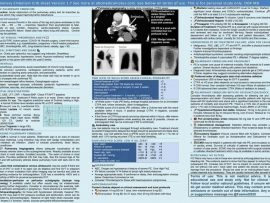
[pdf-embedder url="https://perfusfind.com/wp-content/uploads/2021/05/CribSheet-PE-1.91_compressed.pdf" title="CribSheet PE 1.91_compressed"] Pulmonary Embolism Treatment Overview
Read More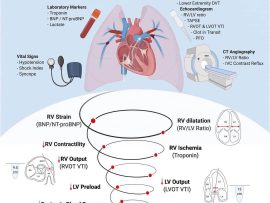
Abstract Purpose of review Acute pulmonary embolism (PE) is a heterogeneous disease process whose presentation varies widely between individuals who are asymptomatic, develop cardiogenic shock, or experience acute PE-related mortality...
Read More
Abstract Introduction Pulmonary embolism (PE) is a potentially fatal disease encountered in the hospital setting. Prompt diagnosis and management can improve outcomes and survival. Unfortunately, a PE may be difficult..
Read More
Abstract Objective AngioVac (Angiodynamics, Latham, NY) is a novel drainage system that offers a less-invasive approach compared with open surgical thromboembolectomy to remove intracardiac and intravascular thrombotic and embolic material...
Read More
Abstract Background: Chronic thromboembolic pulmonary hypertension, a rare complication of acute pulmonary embolism, is characterized by fibrothrombotic obstructions of large pulmonary arteries combined with small-vessel arteriopathy. It can be cured by..
Read More
Abstract Introduction: COVID-19 has been associated with increased risk of thrombosis, heparin resistance and coagulopathy in critically ill patients admitted to intensive care. We report the incidence of thrombotic and..
Read More