


Abstract The 10 main messages of the new guidelines for the diagnosis and treatment of acute and chronic heart failure are:
Read More
Abstract Aim The guideline for coronary artery revascularization replaces the 2011 coronary artery bypass graft surgery and the 2011 and 2015 percutaneous coronary intervention guidelines, providing a patient-centric approach to..
Read More
Abstract Sepsis is life-threatening organ dysfunction caused by a dysregulated host response to infection [1]. Sepsis and septic shock are major healthcare problems, impacting millions of people around the world..
Read More
Abstract Mitral valve disease is common. Mitral regurgitation is the second most frequent indication for valve surgery in Europe and despite the decline of rheumatic fever in Western societies, mitral..
Read More
Preamble Guidelines summarize and evaluate available evidence with the aim of assisting health professionals in proposing the best management strategies for an individual patient with a given condition. Guidelines and..
Read More
Abstract Disclaimer: This is an updated guideline from the Extracorporeal Life Support Organization (ELSO) for the role of extracorporeal membrane oxygenation (ECMO) for patients with severe cardiopulmonary failure due to..
Read More
Abstract Neonates and children who have survived critical illness severe enough to require extracorporeal membrane oxygenation (ECMO) are at risk for neurologic insults, neurodevelopmental delays, worsening of underlying medical conditions,..
Read More
Abstract Prior to COVID-19, a large international cohort study estimated that acute respiratory distress syndrome (ARDS) accounts for 10% of all admissions to the ICU and almost a quarter of..
Read More
Abstract The use of venovenous extracorporeal membrane oxygenation (VV ECMO) among adults is rapidly increasing worldwide. By 2020, the Extracorporeal Life Support Organization (ELSO) Registry had recorded >24,000 cases of..
Read More
Abstract British Columbia’s first heart transplant was performed at Vancouver General Hospital in 1988. One hundred and eleven transplants were performed at that site until 1996. At that time, the..
Read More
Abstract Cardioaortic embolism to the brain accounts for approximately 15–30% of ischaemic strokes and is often referred to as ‘cardioembolic stroke’. One-quarter of patients have more than one cardiac source..
Read More
Abstract Historically, the surgical literature was defined based on a predominance of case series, case reports, and anecdotal experiences of surgical investigators. But over the past several decades, the methodologic..
Read More
Preamble Since 1980, the American College of Cardiology (ACC) and American Heart Association (AHA) have translated scientific evidence into clinical practice guidelines with recommendations to improve cardiovascular health. These guidelines,..
Read More
Abstract Background The Standards for Quality Improvement Reporting Excellence (SQUIRE) Guidelines were published in 2008 to increase the completeness, precision and accuracy of published reports of systematic efforts to improve..
Read More
1 Preamble Guidelines summarize and evaluate available evidence with the aim of assisting health professionals in proposing the best management strategies for an individual patient with a given condition. Guidelines..
Read More
The Task Force on the Management of Grown-up Congenital Heart Disease of the European Society of Cardiology (ESC) Endorsed by the Association for European Paediatric Cardiology (AEPC) Guidelines summarize and..
Read More
Abstract Post-cardiotomy extracorporeal life support (PC-ECLS) in adult patients has been used only rarely but recent data have shown a remarkable increase in its use, almost certainly due to improved..
Read More
Abstract This discussion paper presents proposed recommendations for in the Australasian clinical setting based on underlying evidence-based principles and an understanding of local factors which may limit the provision of ideal..
Read More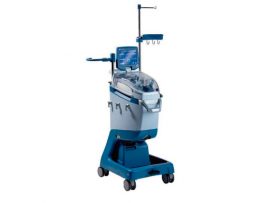
Abstract The use of cell salvage is recommended when it can be expected to reduce the likelihood of allogeneic (donor) red cell transfusion and/or severe postoperative anaemia. We support and..
Read More
The Task Force for the Management of Valvular Heart Disease of the European Society of Cardiology (ESC) and the European Association for Cardio-Thoracic Surgery (EACTS)
Read More
Abstract The development of standards and guidelines by professional societies offers clinicians guidance toward providing evidence-based care. The ultimate goals of standards and guidelines are to standardize care and improve..
Read More