


Abstract Bleeding is a common complication of extracorporeal membrane oxygenation (ECMO), is multifactorial, and results in significant morbidity and mortality. Pulmonary hemorrhage represents a serious adverse event in pediatric patients..
Read More
Abstract Aims The role of extracorporeal membrane oxygenation (ECMO) remains ill defined in pulmonary embolism (PE). We investigated outcomes in patients with high-risk PE undergoing ECMO according to initial therapeutic..
Read More
Abstract Extracorporeal carbon dioxide removal (ECCO2R) is an emerging technique designed to reduce carbon dioxide (CO2) levels in venous blood while enabling lung-protective ventilation or alleviating the work of breathing...
Read More
Abstract Extracorporeal life support (ECLS) has become increasingly common in the United States to manage refractory cardiopulmonary failure and has been used in complex populations including pregnant women. Application of..
Read More
Abstract Background Acute respiratory distress syndrome (ARDS) is a severe lung condition characterized by diffuse alveolar damage and hypoxemia. Venovenous extracorporeal membrane oxygenation (vv-ECMO) supports gas exchange and reduces ventilator-induced..
Read More
Abstract Background The optimal pulmonary revascularisation strategy in high-risk pulmonary embolism (PE) requiring implantation of extracorporeal membrane oxygenation (ECMO) remains controversial. Methods We conducted a systematic review and meta-analysis of..
Read More
Abstract Aim To compare the long-term Health-Related Quality of Life (HRQoL) between patients receiving extracorporeal cardiopulmonary resuscitation (ECPR) and conventional cardiopulmonary resuscitation (CCPR) for out-of-hospital cardiac arrest (OHCA). Methods and..
Read More
Abstract The use of venoarterial extracorporeal membrane oxygenation (VA-ECMO) for temporary mechanical circulatory support in various clinical scenarios has been increasing consistently, despite the lack of sufficient evidence regarding its..
Read More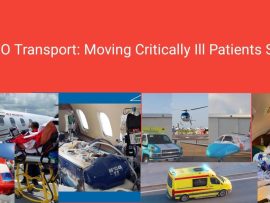
Introduction Extracorporeal Membrane Oxygenation (ECMO) is a life-saving intervention for patients with severe cardiac and respiratory failure. However, the need for specialized ECMO care often necessitates the transport of critically..
Read More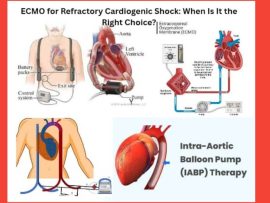
Introduction Refractory cardiogenic shock (RCS) is a life-threatening condition where the heart fails to supply adequate blood flow to the body's organs, despite maximal medical therapy. It is a major..
Read More
Abstract The impact of race on extracorporeal life support (ECLS) availability, morbidity, and mortality remains poorly defined. We sought to define the impact of race/ethnicity, sex, and location on ECLS..
Read More
Abstract Background: We used machine learning models incorporating rich electronic medical record (EMR) data to predict neurological outcomes after venoarterial extracorporeal membrane oxygenation (VA‑ECMO). Methods: This was a retrospective..
Read More
Abstract Background The use of extracorporeal membrane oxygenation (ECMO) has expanded and is now widely applied to perioperative care in lung transplant. Respiratory failure after lung transplant is a clinical..
Read More
Abstract Background Extracorporeal membrane oxygenation (ECMO) serves as a critical intervention for patients with severe cardiac and pulmonary dysfunction. Given the high rates of mortality and morbidity, as well as..
Read More
Abstract Background: Venoarterial extracorporeal membrane oxygenation (VA-ECMO) is increasingly used to treat cardiogenic shock. However, VA-ECMO might hamper myocardial recovery. The Impella unloads the left ventricle. This study aimed to..
Read More
Abstract This report presents a case series that introduces differential venous drainage (DVD) as an underrated complication arising from the hemodynamic impact of the extracorporeal life support (ECLS) circuit on..
Read More
Peripheral cannulation for initiation of neonatal venoarterial extracorporeal membrane oxygenation is an essential technical skill in the armamentarium of every congenital cardiac surgeon and is necessary for the care of..
Read More
Venoarterial extracorporeal membrane oxygenation weaning strategies are not standardized. When dealing with patients with complex physiologies and borderline haemodynamics, it is prudent to have a fail-safe method of approaching decannulation..
Read More
Abstract Introduction: The use of extracorporeal membrane oxygenation (ECMO) for cardiopulmonary failure is increasing. ECMO transport teams are needed to expand patient access. Our goal was to design and implement a..
Read More
Abstract Background/Objectives: Secure large-bore cannula insertion is critical for effective extracorporeal membrane oxygenation (ECMO), as inadequate fixation can lead to complications such as infection, dislodgment, and life-threatening events. With inconsistent..
Read More
Introduction Extracorporeal Membrane Oxygenation (ECMO) is a life-support technology used in patients with severe cardiac and/or respiratory failure. The two primary ECMO configurations are Veno-Venous (VV) ECMO and Veno-Arterial (VA)..
Read More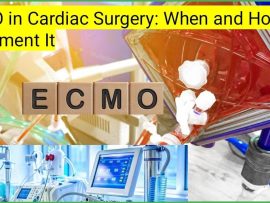
Introduction Extracorporeal Membrane Oxygenation (ECMO) has become a vital intervention in cardiac surgery, offering temporary mechanical support for patients experiencing severe cardiac dysfunction. It stabilizes hemodynamics, allowing time for myocardial..
Read More
Abstract Electrocardiogram (ECG)—synchronized pulsatile veno-arterial extracorporeal membrane oxygenation (V-A ECMO) is a recent development in extracorporeal therapy for patients with severe cardiogenic shock. Although preclinical studies have shown benefits of..
Read More
Abstract Although extracorporeal membrane oxygenation (ECMO) systems have been used to provide temporary support for patients with severe respiratory or cardiac failure, they are often bedridden, in part because of..
Read More
Abstract Background Bleeding is a common and sometimes fatal complication of venovenous extracorporeal membrane oxygenation (ECMO). Whether lowering the intensity of anticoagulation during venovenous ECMO is safe or effective is..
Read More
Abstract The 2021 Adult and Pediatric Anticoagulation Guidelines for patients on extracorporeal membrane oxygenation (ECMO) recommend a target partial thromboplastin time (PTT) between 60 and 85 seconds when unfractionated heparin..
Read More
Introduction Extracorporeal Membrane Oxygenation (ECMO) is a life-saving intervention for patients with severe cardiac and/or respiratory failure. Unlike cardiopulmonary bypass (CPB), ECMO can run for days to weeks, requiring meticulous..
Read More
Extracorporeal Membrane Oxygenation (ECMO) is a life-saving intervention for patients with severe cardiac or respiratory failure. A thorough understanding of ECMO physiology, particularly oxygen transport dynamics, is essential for optimizing..
Read More
Abstract To investigate the relationship between platelet counts within the first 24 hours of veno-arterial extracorporeal membrane oxygenation (V-A ECMO) support and in-hospital mortality in postcardiotomy ECMO patients. Adult patients..
Read More
Abstract Background Extracorporeal membrane oxygenation (ECMO) as rescue therapy for cardiogenic shock (CS) is highly dependent on timeliness and medical resources. Objectives Aimed to assess ECMO management and outcomes in..
Read More