


Abnormal aortic valve development is one of the most threatening congenital heart diseases. Like a thief in the night, the patient might be struck by endocarditis after a visit to..
Read More
Aortic stenosis refers to a condition that causes obstruction to blood flow between the left ventricle and the aorta. There are a variety of causes, including muscular obstruction below the..
Read More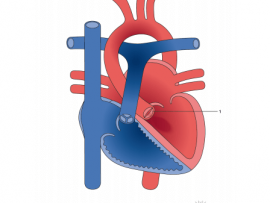
Bicuspid aortic valve (BAV) is the most common congenital cardiac abnormality, affecting approximately 1%-2% of the general population. (1,2) Adverse cardiac outcomes related to the valve and/or root (3) put..
Read More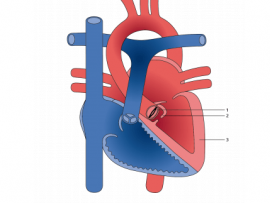
Subvalvular aortic stenosis (SAS), also called subaortic stenosis, is a rare disorder seen in infants. In most cases, it involves the presence of a membrane that is typically muscular just..
Read More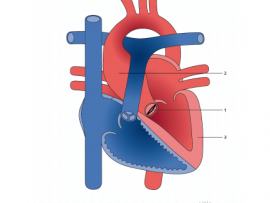
Bicuspid aortic valve (BAV) is the most common congenital cardiac abnormality, occurring in 0.5%-1.4% of the population; this anomaly is sporadically transmitted genetically by an autosomal-dominant pathway, with a 3:1..
Read More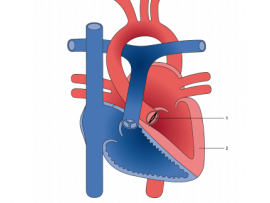
Bicuspid aortic valve (BAV) and congenital aortic stenosis are two types of heart defects that may be present at birth. They can occur separately or together. In some cases, bicuspid aortic valve causes another condition called aortic valve..
Read More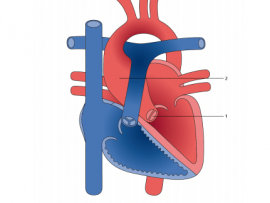
Congenital bicuspid aortic valve is a relatively rare malformation. It is reported that the presence of this anomaly predisposes the patient to development of true aortic aneurysms or dissecting aortic..
Read More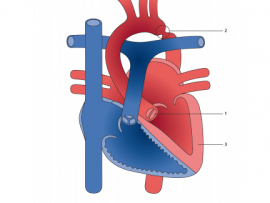
Bicuspid aortic valve (BAV) is the most common congenital heart defect with a prevalence of 1–2% and most commonly BAV is found in males with a rate of 1:2 varying..
Read More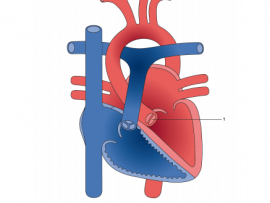
The aortic valve allows oxygen-rich blood to flow from the heart to the aorta. It prevents the blood from flowing back from the aorta into the heart when the pumping..
Read More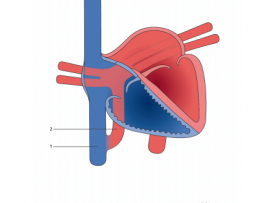
Total anomalous pulmonary venous connection (TAPVC) is a very rare congenital heart disease (CHD), reported in 1-2.6% of all congenital heart disease (-). The onset can be abrupt with cardiopulmonary..
Read More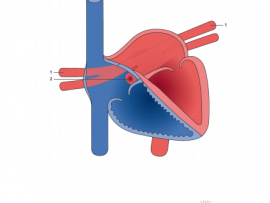
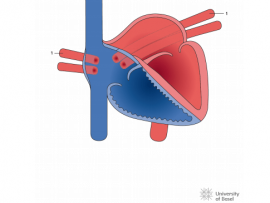
Total anomalous pulmonary venous connection (TAPVC) develops when the primordial pulmonary vein fails to unite with the plexus of veins surrounding the lung buds. In 1959, Darling and associates[] proposed..
Read More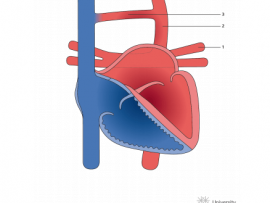
In this type of TAPVR, the pulmonary veins first come together behind the heart and then drain upwards to an abnormal “vertical vein.” This vertical vein joins the innominate vein which connects to the right superior vena cava and drains to the..
Read More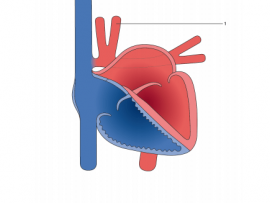
Anomalous pulmonary venous connection (APVC) is an uncommon congenital anomaly in which pulmonary venous blood flows directly into the right side of the heart or into the systemic veins. The..
Read More
Scimitar syndrome consists of a partial anomalous pulmonary venous drainage of right lung, right lung hypoplasia, dextraposition of heart, and anomalous systemic arterial supply from aorta or one of its..
Read More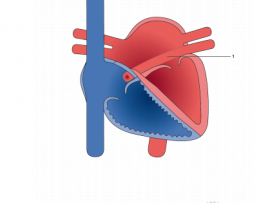
Partial anomalous pulmonary venous return, sometimes called partial anomalous pulmonary venous connection, is a heart defect present at birth (congenital) in which some of the pulmonary veins carrying blood from..
Read More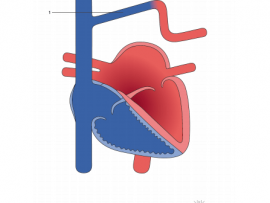
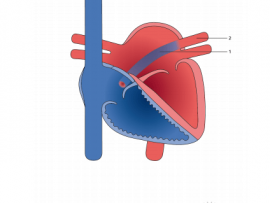
Partial anomalous pulmonary vein connection (PAPVC) is a rare congenital abnormal cardiac defect involving the pulmonary veins draining into the right atrium (RA) directly or indirectly by venous connection. Nowadays, these patients are diagnosed when still..
Read More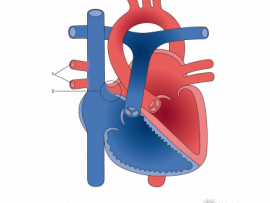
Partial anomalous venous connection (PAPVC) is a rare congenital heart disease where the blood flow from one or more pulmonary veins (but not all) returns to the right atrium or systemic venous circulation and is..
Read More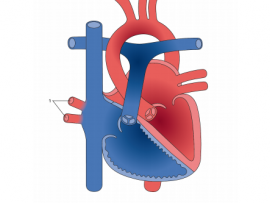
Partial anomalous pulmonary venous connection (PAPVC) is a rare congenital cardiac defect. As the name suggests, in PAPVC, the blood flow from a few of the pulmonary veins return to..
Read More
Partial anomalous pulmonary venous connection (PAPVC) is a rare congenital cardiac defect. As the name suggests, in PAPVC, the blood flow from a few of the pulmonary veins return to the right atrium instead..
Read More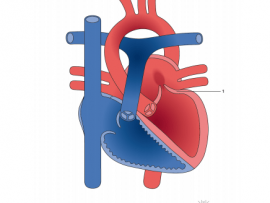
Barlow’s syndrome has become a regular, often-used and very often misused diagnosis. Its description followed extensive, prolonged and detailed clinical observation by JB Barlow and his co-workers. This major research..
Read More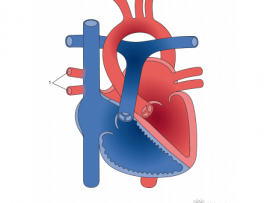
Partial anomalous venous connection (PAPVC) is a rare congenital heart disease where the blood flow from one or more pulmonary veins (but not all) returns to the right atrium or..
Read More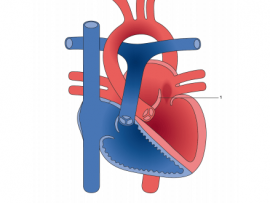
Mitral valve prolapse, also called MVP, is a condition in which the two valve flaps of the mitral valve don't close smoothly or evenly, but bulge (prolapse) upward into the..
Read More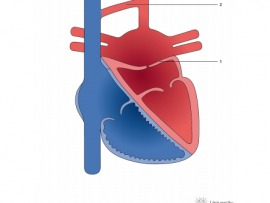

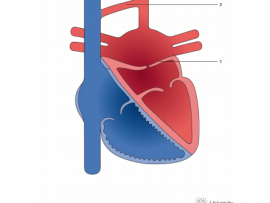

Cor triatriatum sinister is a relatively rare congenital condition in which the left atrium is bisected by a fibromuscular membrane into two distinct chambers. There are multiple hypotheses for the..
Read More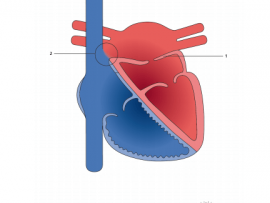
Cor Triatriatum Sinister is a rare congenital abnormality, usually diagnosed in childhood; few cases remain asymptomatic and are diagnosed in adulthood. In this review article we focus on classification and..
Read More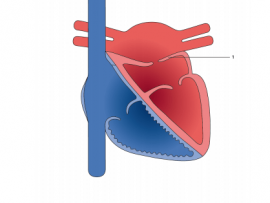
The cor triatriatum sinister is a rare congenital heart defect, the product of an embryonic defect in the incorporation of the common pulmonary vein to the left atrium, this being..
Read More