


Abstract OBJECTIVES Core temperature monitoring is critical during cardiopulmonary bypass (CPB). In this prospective observational study, we investigated the performance of the transoesophageal echocardiography (TOE) probe for core (oesophageal) temperature..
Read More
Abstract Introduction: Acute kidney injury (AKI) after cardiac surgery is a common and serious postoperative complication and is associated with an increased risk of mortality, morbidity, length of hospital stay,..
Read More
Abstract Background Extracorporeal life support (ECLS) has extensive applications in managing patients with acute cardiac and pulmonary failure. Two primary modalities of ECLS, cardiopulmonary bypass (CPB) and extracorporeal membrane oxygenation..
Read More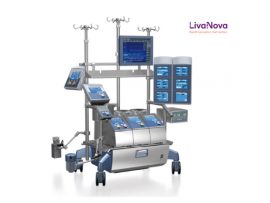
Abstract In this prospective observational study, we investigated whether congenital heart disease (CHD) affects the microcirculation and whether the microcirculation is altered following cardiac surgery with cardiopulmonary bypass (CPB). Thirty-eight..
Read More
Abstract Background Low cardiac power (product of flow and pressure) has been shown to be associated with mortality in patients with cardiogenic shock after acute myocardial infarction, but has not..
Read More
Abstract Background Oxylipins, the oxidative metabolites of polyunsaturated fatty acids (PUFAs), serve as key mediators of oxidative stress, inflammatory responses, and vasoactive reactions in vivo. Our previous work has established..
Read More
Abstract Introduction: The use of cardiopulmonary bypass (CBP; also known as a heart-lung machine) in newborns with complex congenital heart defects may result in brain damage. Magnetic resonance imaging (MRI) assessments..
Read More
Abstract Pathophysiology There are two types of HIT, depending on the absence or presence of an immune mediation. Type 1 is a non-immune-mediated direct activation of platelets by heparin that..
Read More
Abstract Cardiac surgery on cardiopulmonary bypass (CPB) is associated with postoperative renal dysfunction, one of the most common complications of this surgical cohort. Acute kidney injury (AKI) is associated with..
Read More
Abstract Background Current guidelines recommend enteral nutrition (EN) should be implemented as early as possible in patients after cardiopulmonary bypass (CPB), but the optimal time to initiate EN is still..
Read More
Abstract Background Nontechnical skills are critical in cardiac surgery but currently there is no formal paradigm to teach these in residency training. We investigated the use of the Nontechnical skills..
Read More
Abstract The present study aimed to assess the changes in the immunological parameters of patients undergoing cardiac surgery with cardiopulmonary bypass (CPB). The serum or plasma samples of patients were..
Read More
Abstract Background Postoperative morbidity and mortality after cardiac surgery with (CPB) remain high despite recent advances in both anesthesia and perioperative management. Among modifiable risk factors for , optimal during and after surgery..
Read More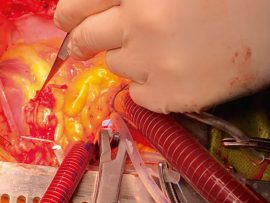
Abstract A hypoxic–hyperoxic preconditioning (HHP) may be associated with cardioprotection by reducing endothelial damage and a beneficial effect on postoperative outcome in patients undergoing cardiac surgery with cardiopulmonary bypass (CPB)...
Read More
Abstract Cardiopulmonary bypass is an integral and indispensable part of surgical repair of congenital heart defects. While the complications and morbidity secondary to the use of cardiopulmonary bypass has decreased..
Read More
Abstract Objective Several human studies have associated nitric oxide administration via the cardiopulmonary bypass circuit with decreased incidence of cardiopulmonary bypass–associated acute kidney injury, but histopathologic and serologic evidence of..
Read More
Abstract During a cardiopulmonary bypass (CPB) procedure using a heart-lung machine, the volume of blood inside the venous reservoir is a crucial piece of information for the perfusionist to make..
Read More
Abstract Objective and dysregulate coronary tone, which can be further affected by common undergoing cardiac surgery. This study investigates differences in coronary myogenic tone and to before and after cardioplegia and based on hypertension history. Methods..
Read More
Abstract Objective To identify potentially modifiable risk factors related to prolonged cardiovascular pharmacological support after weaning from cardiopulmonary bypass (CPB). Methods This is a secondary analysis of two prospective cohort..
Read More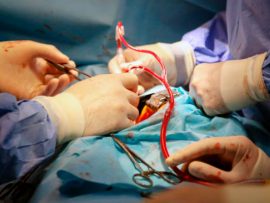
Abstract Background Major cardiac surgery related blood loss is associated with increased postoperative morbidity and mortality. Platelet dysfunction is believed to contribute to post-cardiopulmonary bypass (CPB)-induced microvascular bleeding. We hypothesised..
Read More
Abstract Extracorporeal circulation (ECC) procedures, such as cardiopulmonary bypass (CPB) and extracorporeal membrane oxygenation (ECMO), take over the function of one or more organs, providing clinicians time to treat underlying pathophysiological..
Read More
Abstract The advantages and disadvantages of using corticosteroids in children undergoing cardiac surgery is still contentious. To examine how perioperative corticosteroids affect postoperative mortality and clinical outcomes in pediatric cardiac..
Read More
Abstract Objective: We aim to comprehensively describe the transcriptional activity and signaling of pulmonary parenchymal and immune cells before and after cardiopulmonary bypass (CPB) by using a multi-omic approach coupled..
Read More
Abstract Objectives The management of traumatic cardiac injury (TCI) may require a prompt treatment, including the use of cardiopulmonary bypass (CPB) followed by surgical repair. This study evaluated the surgical..
Read More
Abstract Vasoplegia is defined by hypotension and low systemic vascular resistance despite the normal or elevated cardiac index, a complication frequently following cardiac surgery, carrying high morbidity and mortality rate...
Read More
Abstract BACKGROUND: Intraoperative inflammation may contribute to postoperative neurocognitive disorders after cardiac surgery requiring cardiopulmonary bypass (CPB). However, the relative contributions of general anesthesia (GA), surgical site injury, and CPB..
Read More
Abstract Macrophage migration inhibitory factor (MIF) is a proinflammatory cytokine released in response to glucocorticoids, which counter-regulates the effects of glucocorticoids. This study was performed to determine the impact of steroids..
Read More
Abstract Introduction Bloodless cardiac surgery refers to open-heart surgery without blood or blood products. The cardiopulmonary bypass (CPB) circuits are primed with crystalloid solely, and there is no intraoperative blood..
Read More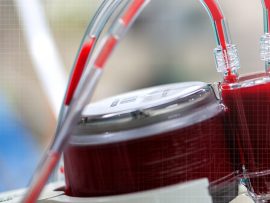
Abstract Open-heart surgery is often an unavoidable option for the treatment of cardiovascular disease and prevention of cardiomyopathy. Cardiopulmonary bypass surgery requires manipulating cardiac contractile function via the perfusion of..
Read More
Abstract Objectives Previous studies have described impaired after (CPB). Whether this is still valid in contemporary cardiac surgery is unclear. This study aimed to quantify changes in function and number of platelets..
Read More