

Abstract OBJECTIVES The effect on postoperative health-related quality of life (HRQoL) after coronary artery bypass grafting (CABG) surgery with conventional cardiopulmonary bypass (cCPB) and off-pump surgery has been investigated extensively;..
Read More
Abstract Deficiency in 25-hydroxyvitamin D (25OHD) is associated with increased morbidity and mortality in the critically ill. Children who underwent surgery for congenital heart disease under cardiopulmonary bypass (CPB) are..
Read More
Abstract Background: Sonoclot is used to measure kaolin-based activated clotting time (kACT) for heparin management. Apart from measuring kACT, the device assesses the patient’s coagulation status by glass bead–activated tests..
Read More
Abstract Background The administration of blood products during pediatric cardiac surgery is common. We sought to determine if thromboelastography (TEG) is a cost-effective tool to reduce blood product transfusion in..
Read More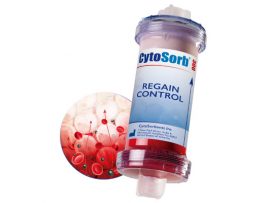
Abstract Background: Aim of this study was to evaluate the outcomes of endocarditis patients undergoing valve surgery with the Cytosorb® hemoadsorption (HA) device during cardiopulmonary bypass. Methods: From 2009 until 2019,..
Read More
Abstract Background Recently, there has been an interest in the temporal relationship between contrast exposure (CM) and cardiac surgery suggesting that a “double hit” on the kidney function in close..
Read More
Abstract Background (AKI) after (CPB) is associated with a requirement for dialysis, a longer stay in the intensive care unit, a longer hospital length of stay, and mortality. An arterial outlet temperature..
Read More
Abstract BACKGROUND: It is unclear whether maintaining pulmonary perfusion and ventilation during cardiopulmonary bypass (CPB) reduces pulmonary inflammatory tissue injury compared with standard CPB where the lungs are not ventilated..
Read More
Abstract Several coating techniques for extracorporeal circulation have been developed to reduce the systemic inflammatory response during cardiopulmonary bypass (CPB). We compared the clinical effectiveness and biocompatibility of poly-2-methoxyethylacrylate (PMEA)-..
Read More
Abstract In Japan, perfusionists who work on other clinical tasks are involved in cardiopulmonary bypass. Moreover, the number of cases they can perform is limited. In view of this situation,..
Read More
Abstract We compared the effects on microvascular reactivity of hydroxyethylstarch (Volulyte®) and gelatin (Geloplasma®) during acute haemodilution. The hypothesis was that Volulyte would provide better microvascular reactivity than Geloplasma. Forty..
Read More
Abstract Obesity is a frequent comorbidity among patients undergoing cardiac surgery with cardiopulmonary bypass (CPB). Cardiac surgery with CPB impairs microcirculatory perfusion, which is associated with multiple organ failure. As..
Read More
Abstract Objectives The aim of this study is to evaluate the possibility of the autologous platelet-rich plasma (PRP) collection from the cardiopulmonary bypass (CPB) circuit and to evaluate its effect..
Read More
Abstract Objectives The aim of this study was to evaluate the analytical performance of the new epoc® point-of-care blood analysis system in patients. Design and methods The precision study was conducted..
Read More
Abstract We developed a numerical model, based on multi-physics computational fluid dynamics (CFD) simulations, to assist the design process of a plastic hollow-fiber bundle blood heat exchanger (BHE) integrated within..
Read More
Abstract Objective Cardiac surgery and are associated with release of and microcirculatory alterations that result in organ dysfunction. Near-infrared of tissue (StO2) and the test (VOT) were utilized in a study of elective cardiac surgical..
Read More
Abstract Introduction: Arterial filter is the part of the cardiopulmonary bypass circuit where blood cells are exposed to high mechanical stress and where cellular aggregates may fasten in large quantities...
Read More
Abstract Background Cardiac surgery associated acute kidney injury (CS-AKI) is common in infants and associates with negative outcomes. Nadir indexed oxygen delivery (DO 2i) during cardiopulmonary bypass (CPB) is associated with..
Read More
Abstract Background Cardiac surgery with cardiopulmonary bypass (CPB) is known to contribute towards the incidence of acute kidney injury (AKI) and peri-operative morbidity and mortality. There are several patient, anaesthetic..
Read More
Abstract Introduction: del Nido cardioplegia is a newer solution getting popular worldwide, whereas in Nepal, St. Thomas cardioplegia solution is conventionally used. There is no national recommendation on cardioplegia solutions..
Read More
Abstract The aim of coronary artery bypass grafting (CABG) is to prolong life and reduce symptoms. However, when compared with percutaneous coronary intervention, CABG is a significantly more invasive operation,..
Read More
Abstract Neonates have low levels of antithrombin. Inadequate anticoagulation during cardiopulmonary bypass (CPB) due to low antithrombin activity may result in a poor preservation of the coagulation system during bypass...
Read More
Abstract Cardiopulmonary bypass (CPB) in infants is associated with morbidity due to systemic inflammatory response syndrome (SIRS). Strategies to mitigate SIRS include management of perfusion temperature, hemodilution, circuit miniaturization, and..
Read More
Abstract The long-term neurodevelopmental outcome has been a great concern for cardiac surgeons although it is still unclear. There are some risks regarding the neurological and neuropsychological deficits before, during..
Read More
Abstract Background The risk–benefit for utilizing cardio‐pulmonary bypass (CPB) in lung transplantation (LTx) remains debatable. This study compares outcomes after LTx utilizing different CPB strategies – elective CPB vs. off‐pump..
Read More
Abstract Introduction: Acute kidney injury (AKI) is a serious complication after coronary artery bypass grafting (CABG). There are conflicting reports whether a miniaturized cardiopulmonary bypass (MCPB) system is associated with..
Read More
Abstract Neurologic injury in the form of cognitive decline, delirium, and stroke are common phenomena in patients undergoing cardiac surgery and continues to be one of the most common complication..
Read More
Abstract Blood transfusion is the most common procedure in cardiac surgery. Increasing evidence exists that excess transfusions are harmful to patients. Transfusion reactions and complications, including infection, immune modulation, and..
Read More
Abstract Acute kidney injury (AKI) is a serious postoperative complication following cardiac surgery. Despite the incidence of AKI requiring temporary renal replacement therapy being low, it is nonetheless associated with..
Read More
Abstract Objectives To estimate the global incidence and outcomes of (AKI) after cardiac surgery in adult patients. Design A systematic review and meta-analysis. Setting Cardiac surgery wards. Participants Adult patients after..
Read More