


Abstract Background The increasing prevalence of end-stage heart failure coupled with limited donor organs creates a critical need for novel strategies in heart transplantation. Donation after circulatory death offers a..
Read More
Abstract The autonomic nervous system is critical for regulating cardiovascular physiology. The neurocardiac axis encompasses multiple levels of control, including the motor circuits of the sympathetic and parasympathetic nervous systems,..
Read More
Abstract Background Pediatric cardiac transplant recipients undergo elective cardiac catheterization and endomyocardial biopsy (CC/EMB) for graft dysfunction surveillance often facilitated by general anesthesia (GA). GA and positive pressure ventilation (PPV)..
Read More
Abstract Objectives The purpose of this study was to assess changes in cardiovascular disease severity, types, postoperative complications and prognosis during the COVID-19 pandemic and to explore possible influencing factors...
Read More
Abstract Introduction: Neurologic complications of open thoracic aortic surgery are devastating problems in patients with severely diseased aortas. This study aimed to clarify whether directing the aortic cannula tip toward..
Read More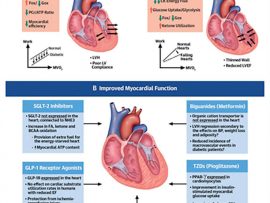
Abstract The mechanisms responsible for the positive and unexpected cardiovascular effects of sodium-glucose cotransporter-2 inhibitors and glucagon-like peptide-1 receptor agonists in patients with type 2 diabetes remain to be defined...
Read More
Abstract Introduction: The use of cardiopulmonary bypass (CPB) leads to increased fluid filtration and edema. The use of artificial colloids to counteract fluid extravasation during cardiac surgery is controversial. Beneficial..
Read More