


Abstract Direct oral anticoagulants (DOACs) are increasingly being used due to their improved efficacy/safety ratio and lower clinical and economic burden when compared to vitamin K antagonists. However, bleeding is..
Read More
Abstract Background Understanding of the hemostatic and complement alterations associated with cardiopulmonary bypass (CPB) in pediatric patients and the impact of these alterations on outcome is limited. Objectives The present..
Read More
Abstract Background: Pro- and anti-inflammatory cytokines help regulate the inflammatory response. A cytokine storm is a dysregulated cytokine response associated with sepsis and other conditions that result in a hyper-inflammatory state...
Read More
Abstract Blood management is a critical aspect of patient care during surgical procedures. In the United Kingdom, there is a growing recognition of the need to integrate intraoperative cell salvage..
Read More
Abstract Chen et al. used a rat model of cardiopulmonary bypass followed by 30-min ischemia (induced by ascending aorta blockage) and 15-min reperfusion []. They reported that pyruvate dehydrogenase E1α..
Read More
Abstract OBJECTIVES Brain-protective strategies for acute type A aortic dissection (TAAD) remain controversial. Moderate hypothermia circulatory arrest (MHCA) without cerebral perfusion is not commonly used. However, we aimed to assess..
Read More
Abstract OBJECTIVES Long cardiopulmonary bypass times are associated with adverse postoperative outcomes and increased healthcare resource use. It is likely that this effect is pronounced in smaller patients. Previous studies..
Read More
Abstract Introduction The mobilization and ambulation of patients with severe cardiogenic shock supported with peripheral veno-arterial extracorporeal membrane oxygenation (pVA-ECMO) and concomitant femoral intra-aortic balloon pump (IABP) support is not..
Read More
Abstract Whereas studying the aortic valve in isolation has facilitated the development of life-saving procedures and technologies, the dynamic interplay of the aortic valve and its surrounding structures is vital..
Read More
Abstract Neurological complications related to cardiac surgery present physicians with challenges. These complications severely impact patients’ outcomes, the quality of their lives, and affect the resources available at healthcare centers...
Read More
Abstract Introduction A well-known complication of veno-arterial extracorporeal membrane oxygenation (VA ECMO) is differential hypoxia, in which poorly-oxygenated blood ejected from the left ventricle mixes with and displaces well-oxygenated blood..
Read More
Abstract Background This study examined the association between cardiopulmonary bypass (CPB) hematocrit and postoperative acute renal failure (ARF) in patients undergoing aortic arch surgery with hypothermic circulatory arrest. Methods The..
Read More
Abstract Background Extracorporeal membrane oxygenation (ECMO) utilization has surged in recent years, particularly amidst the COVID-19 pandemic, yet standardization of ECMO-associated infection (EAI) reporting remains lacking. Methods This systematic review..
Read More
Abstract Introduction Minimally invasive cardiac surgery (MICS) for mitral valve repair often uses cardiopulmonary bypass (CPB) through peripheral femoro-femoral cannulation. A rare complication of differential hypoxemia can cause upper body..
Read More
Abstract Extracorporeal life support (ECLS), including extracorporeal membrane oxygenation (ECMO) and continuous renal replacement therapy (CRRT), is a lifesaving therapy for critically ill children. Despite this, these modalities carry frustratingly..
Read More
Abstract We would like to express our gratitude to Aravind Bommiasamy and his coauthors for their detailed analysis on the physiological impacts of cardiac output (CO) on oxygen supply in..
Read More
Abstract Proteins on the surfaces of cells serve as physical connection points to bridge one cell with another, enabling direct communication between cells and cohesive structure. As biomedical research makes..
Read More
Abstract Background Cerebral microbleeds (CMBs) are common and varied in patients receiving extracorporeal membrane oxygenation (ECMO). Here, the authors describe CMB findings in patients receiving ECMO and their association with..
Read More
Abstract Introduction Hospital-based transfusion involves hundreds of daily medical decisions. Medical decision-making under uncertainty is susceptible to cognitive biases which can lead to systematic errors of reasoning and suboptimal patient..
Read More
Abstract Protamine sulfate is a standard agent used to reverse heparin anticoagulation during cardiovascular procedures such as coronary artery bypass grafting (CABG). Although rare, it can be associated with severe..
Read More
Abstract The therapeutic target of extracorporeal carbon dioxide removal (ECCO2R) is the elimination of carbon dioxide (CO2) from the blood across a gas exchange membrane without influencing oxygenation to a clinically relevant..
Read More
Abstract Background In an effort to enhance recovery after cardiac surgery, intraoperative extubation has been targeted as possibly beneficial. This multi-center cohort study aimed to assess this by evaluating the outcomes..
Read More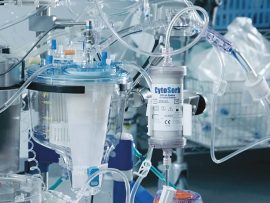
Giant Pheochromocytoma Resection Using Partial Cardiopulmonary Bypass and Blood Purification Therapy
Abstract A 44-year-old man was diagnosed with a giant pheochromocytoma in the right retroperitoneal cavity following treatment for heart failure. Subsequent to improvement in cardiac function, the patient underwent a..
Read More
Abstract Cardiopulmonary bypass (CPB) is essential for the conduct of open-heart procedures. While lifesaving, CPB can be associated with significant end-organ injuries believed to result from inflammatory responses triggered by..
Read More
Abstract Background: Magnesium administration is a common practice in cardiovascular surgeries utilizing cardiopulmonary bypass (CPB). However, concerns persist regarding the risk of hypermagnesemia, particularly in patients with kidney dysfunction. This..
Read More
Abstract Background This study was to analyze the roles of red blood cell distribution width (RDW), anion gap (AG) levels and their combined effects on the risk of acute kidney..
Read More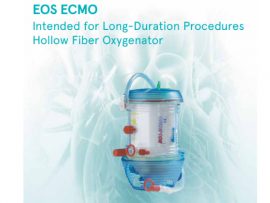
Abstract Established clinical monitoring techniques lack predictive capabilities, emphasizing the need for refinement in MO monitoring towards an early warning system. In this study, an MO was modified by integrating..
Read More
Abstract Background The impact of air bubbles into the cerebral circulation after open heart surgery has been a topic of discussion since the introduction of the heart-lung machine. The aim..
Read More
Abstract Objectives To summarize the evidence of the hemodynamic effects and vasopressor requirements of adult cardiac surgery patients with vasoplegic shock treated with hydroxocobalamin or methylene blue. Design Systematic review..
Read More
Abstract Objective Extracorporeal membrane oxygenation (ECMO) requires systemic anticoagulation to reduce the risk of thromboembolic events. Despite its historic role, activated clotting time (ACT) remains a widely used heparin monitoring..
Read More