

Abstract Aims Knowing the upper time limit for successful weaning from temporary mechanical circulatory support in cardiogenic shock will help with decision‐making regarding advanced heart failure (HF) therapy or considering..
Read More
Extracorporeal lung perfusion and donation (EVLPD) in donation after circulatory death (DCD) patients is a groundbreaking advancement in organ transplantation, and Professor Sam Zeraatiannejaddavani, a world-renowned surgeon, has been at..
Read More
A to Z Steps of Bilateral Lung Procurement for interstate Transfer. Dr.Sam Zeraatian Nejad Davani, CEO of rockingham medical research ADKWA center as well as Head of IUMS transplant..
Read More
Organ Donation after 60 minutes of Complete Cardiac Death in Patient with Previous Cardiac Surgery Mitral Valve Replacement. Dr.Sam Zeraatian Nejad Davani, CEO of rockingham medical research ADKWA center..
Read More
Abstract Introduction Veno-venous extracorporeal membrane oxygenation (V-V ECMO) is increasingly used in the treatment of severe respiratory failure. Despite a significant increase in the worldwide use of extracorporeal lung assist..
Read More
Abstract Pediatric patients undergoing cardiothoracic surgery are at increased risk for health care–associated infections, especially surgical site infections (SSIs). Delayed sternal closures are associated with prolonged lengths of stay and..
Read More
Abstract Background/Objectives: Previously, we showed that blood-based polarizing cardioplegia exerted beneficial cardioprotection during hypothermic ischemia; however, these positive effects of blood-based polarizing cardioplegia were reduced during normothermic ischemia compared to..
Read More
Abstract Extracorporeal perfusion systems utilized in open-heart surgeries with cardiopulmonary bypass can affect multiple body systems. The primary adverse effects of Extracorporeal Perfusion Systems (EPS) on the hematological system include..
Read More
Abstract Objective There is an increase in the application data of Extracorporeal Membrane Oxygenation (ECMO) in perinatal women, particularly since the outbreak of coronavirus disease 2019. Therefore, we reviewed publications..
Read More
Abstract Background In the world of academia, traditional lecturing has been the most common pedagogical approach for centuries. However, it can create an environment for students to be passive learners..
Read More
Abstract Reaching competency in congenital heart surgery (CHS) requires lengthy and rigorous training. Due to patient safety, time limitations, and procedural complexity, the intraoperative setting is not ideal for technical..
Read More
Abstract Cardiopulmonary bypass (CPB) is an indispensable technique in cardiac surgery; however, its impact on gut microbiota and metabolites remains insufficiently studied. CPB may disrupt the intestinal mucosal barrier, altering..
Read More
Abstract Cardiopulmonary bypass (CPB) in cardiac surgery is associated with a high risk of postoperative neurological complications. Perioperative use of vasopressors is common to counteract arterial hypotension in this setting...
Read More
Abstract Background: Post-cardiopulmonary bypass (CPB) blood processing is an important component of blood management during cardiac surgery. Purpose: The purpose of this study is to evaluate several methods of processing post-CPB..
Read More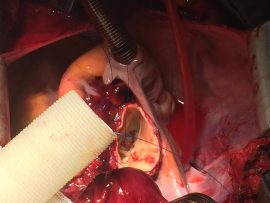
Abstract Background Management of acute aortic dissection (AAD) caused by retrograde perfusion through the femoral artery during minimally invasive cardiac surgery (MICS) remains controversial. We present a case of AAD..
Read More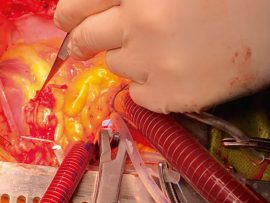
Abstract Objective: Cardiopulmonary bypass (CPB) via the right axillary artery (RAA) has become an alternative perfusion strategy, especially in complex aortic procedures. This study delineates our technique and outcome with..
Read More
Abstract Anti-platelet factor 4 (PF4) antibody-mediated disorders are a heterogeneous group of diseases characterized by the presence of highly pathogenic immunoglobulins G directed against PF4 and/or PF4/heparin complexes. These antibodies..
Read More
Abstract Background Extracorporeal cardiopulmonary resuscitation (ECPR) is increasingly used for adults with cardiac arrest (CA) refractory to Advanced Cardiovascular Life Support (ACLS). Concerns exist that adding ECPR could worsen health..
Read More
Abstract Background: Cardiac surgery-associated acute kidney injury (CSA-AKI) results in poor prognosis. Several risk factors for CSA-AKI have been reported, including preoperative creatinine level, cardiopulmonary bypass time, and perioperative blood pressure..
Read More
Abstract The use of extracorporeal membrane oxygenation (ECMO) has emerged as a rescue intervention for hemodynamically unstable patients and prophylactic intraprocedural hemodynamic support in the cardiac catheterization laboratory. The prompt..
Read More
Abstract Objective To compare the effects of fluid bolus therapy (FBT) with 20% albumin to crystalloid FBT on the incidence of cardiac surgery–associated acute kidney injury (CSA-AKI) and its severity..
Read More
Abstract In many hospitals, patients undergoing cardiac surgery receive a higher amount of blood products transfusions compared to other disciplines. Blood transfusion comes with risks and drawbacks, such as increased..
Read More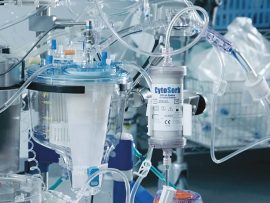
Abstract Background: Cardiac surgery can lead to dysregulation with a pro-inflammatory state, resulting in adverse outcomes. Hemadsorption using the AN69 membrane (Oxiris membrane) has the properties to chelate inflammatory cytokines...
Read More
Abstract Recently, advancements in extracorporeal carbon dioxide removal (ECCO2R) technology have markedly enhanced its clinical applicability and efficacy for managing severe respiratory conditions. This review highlights critical innovations in ECCO2R,..
Read More
Abstract Background Veno-arterial (V-A) and veno-venous (V-V) extracorporeal membrane oxygenation (ECMO) are crucial support modalities during lung transplantation, yet their comparative effectiveness remains unclear. Methods We conducted an 8-year retrospective..
Read More
Abstract Background and Objectives Previously published studies have consistently identified significant variation in red blood cell (RBC) transfusions during cardiac surgery. Clinical guidelines can be effective at improving the average..
Read More
Abstract Extracorporeal membrane oxygenation (ECMO) to support neonates and children with cardiopulmonary failure was first described in the 1970s, since which time its use has expanded to an increasingly complex..
Read More
Abstract A Core Measures Set (CMS) is an agreed standardized group of measures that should be assessed and reported in research for a specific condition or clinical area. This study..
Read More
Abstract Cardiogenic shock (CS) is associated with significant mortality. Advances in pharmacological therapies and mechanical circulatory support (MCS) devices have markedly improved the therapeutic approach to CS, though treatment efficacy..
Read More
Abstract We present the case of a 74-year-old female patient with a 50 mm ascending aortic aneurysm who underwent ascending aorta replacement. During routine open heart surgery, suboptimal flow in..
Read More