


Abstract Postoperative organ dysfunction remains a major challenge in adult cardiac surgery with cardiopulmonary bypass (CPB), frequently involving the kidneys, heart, and lungs. These complications are primarily driven by hemolysis,..
Read More
Abstract Background Veno-arterial extracorporeal membrane oxygenation (VA-ECMO) use for cardiogenic shock (CS) is increasing worldwide despite conflicting results from randomized trials, which focused on myocardial-infarction related CS (MI-CS). Methods We..
Read More
Abstract The emergence of large language models (LLMs) opens new horizons to leverage, often unused, information in clinical text. Our study aims to capitalise on this new potential. Specifically, we..
Read More
Abstract Background Cardioplegic arrest can be induced by various methods, fueling a long-standing controversy about their comparative merit. We aim to compare cardioplegic methods in coronary artery disease. Methods PubMed,..
Read More
Abstract Normothermic regional perfusion (NRP) is a strategy of postmortem reperfusion with warm oxygenated blood of a portion of the body applied in donors undergoing circulatory determination of death (DCDDs)...
Read More
Abstract Perioperative impairment of glycaemic control significantly increases the risk of major postoperative complications. The use of continuous glucose monitoring (CGM) has demonstrated benefits in glycaemic control, but its use..
Read More
Abstract The common carotid artery (CCA) is an easily accessible means of providing cerebral and systemic perfusion during complex aortic surgery. Our technique for using CCA perfusion through a graft..
Read More
Abstract Background The optimal low‐flow duration (LFD) for extracorporeal cardiopulmonary resuscitation (ECPR) and conventional cardiopulmonary resuscitation (CCPR) remains unclear. We evaluated the impact of LFD on neurological outcomes based on..
Read More
Abstract Objectives Our aim was to assess the association between mixed venous oxygen saturation (SvO2) and cardiac index (CI) among cardiac surgical patients during the initial 4 hours in the..
Read More
Abstract Background Acute kidney injury (AKI) is a frequent and severe complication following cardiac surgery, particularly in patients with impaired kidney function. The existing Kidney Disease: Improving Global Outcomes (KDIGO)..
Read More
Abstract Objectives To identify independent predictors of 30-day mortality, adverse discharge, and length of hospital stay following a perioperative stroke among cardiac surgical patients, and to measure trends in outcomes..
Read More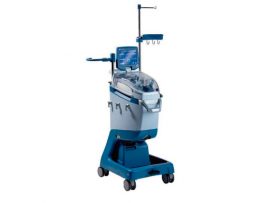
Abstract Introduction Cardiac surgery remains a high-risk procedure for bleeding despite advances in patient blood management. Conventional centrifugation-based autotransfusion devices primarily recover red blood cells, losing platelets and coagulation factors. The..
Read More
Abstract Mesenteric ischemia (Me-Is) is a severe complication with high mortality after cardiac surgery. We examined whether intestinal fatty acid binding protein (I-FABP) might serve as a biomarker for early..
Read More
Abstract Objective: To identify risk factors for bleeding and thrombotic complications during extracorporeal membrane oxygenation (ECMO) support in adults and to develop a predictive model based on these factors...
Read More
Abstract We read with great interest the article by Kowara et al.,[] which highlights the potential of PvCO2 × Ve/Q as a key predictive marker for hyperlactatemia during cardiopulmonary bypass (CPB). This..
Read More
Abstract Background Despite advancements in surgical techniques and intensive care management, the incidence of prolonged mechanical ventilation (PMV) following cardiac surgery remains a significant concern. Objectives Investigate the relationship between..
Read More
Abstract Cerebral embolic protection (CEP) devices may be a tool to mitigate the perioperative stroke risk in cardiac surgery. However, studies are limited. The aim of this study was to..
Read More
Abstract Many of the pivotal early achievements in cardiac surgery were possible because of research using canine models. Specific advances attributed to canine experiments include the use of hypothermia, cardiopulmonary..
Read More
Abstract Background: Cardiac surgery with cardiopulmonary bypass (CPB) is associated with impaired renal oxygenation and acute kidney injury. We investigated whether a higher than our standard blood flow during CPB..
Read More
Abstract Extracorporeal Life Support (ECLS), including venovenous (VV) extracorporeal membrane oxygenation (ECMO) and extracorporeal carbon dioxide removal (ECCO2R) is a temporary support option for patients with severe respiratory failure. Current..
Read More
Abstract Background Thrombocytopenia is a recognized risk factor for bleeding during extracorporeal membrane oxygenation (ECMO). This study determines the incidence, risk factors, and clinical relevance of thrombocytopenia and platelet transfusions..
Read More
Abstract Sleep is essential for human health and represents an active state of unconsciousness that plays a critical role in restoring brain and body functions, as well as regulating the..
Read More
Abstract Background During cardiopulmonary bypass (CPB), which is frequently utilized in open-heart surgery, the maintenance of circulation in a non-physiological environment may lead to alterations in the properties of circulating..
Read More
Abstract Background The global prevalence of congenital heart disease (CHD) is increasing. Research on patient-reported outcomes (PROs) predominantly originates from high-income countries, resulting in an incomplete understanding of the true global..
Read More
Abstract Background Vasoplegia during cardiac surgery is common and associated with perioperative mortality. Hydroxocobalamin is a catecholamine-sparing approach for treating vasoplegia. However, there is currently limited evidence to inform its..
Read More
Abstract Background Autologous blood donation (ABD) can be indicated in pregnant individuals with rare blood groups. Yet, unlike hospitals, some blood establishments are reluctant to collect ABDs in this population...
Read More
Abstract The Working Group on Cardiopulmonary Bypass and Extracorporeal Life Support of China National Center for Cardiovascular Quality Improvement presents evidence-based guidelines on patient blood management for adult cardiac surgery..
Read More
Abstract Background Veno‑venous extracorporeal membrane oxygenation (VV‑ECMO) is associated with a high transfusion burden. While trials have concluded that red blood cell (RBC) storage does not impact patient morbidity and..
Read More
Abstract The use of Extracorporeal Cardiopulmonary Resuscitation (ECPR) in cases of cardiac arrest is increasing, as addressed in the number of cases in the Extracorporeal Life Support Organization (ELSO) dashboard. Of..
Read More
Abstract Veno-venous extracorporeal membrane oxygenation (V-V ECMO) is a life support technique used for patients with life-threatening respiratory failure. It effectively addresses arterial hypoxemia without overstretching the injured lungs. Traditional..
Read More