


Abstract Over the past decade, continuous-flow rotary pumps have dramatically improved survival for patients with advanced . Bleeding and thrombosis, however, continue to be the Achilles heel of (LVAD) therapy. There is..
Read More
Abstract Objective: In order to assess the current status of temperature management during cardiopulmonary bypass (CPB) in China and, thereby, implement standardized management protocols, the authors carried out a national..
Read More
Abstract The VentriFlo True Pulse Pump (Design Mentor, Inc., Pelham, NH, USA) is the first blood pump designed to mimic human arterial waveforms in a standard oxygenation circuit. Our aim was..
Read More
Abstract Objectives: This study was undertaken to estimate the incidence and burden of cerebral microhemorrhage (CM) in patients with heart disease who underwent cardiopulmonary bypass (CPB), as detected on susceptibility-weighted..
Read More
Abstract Purpose Cardiopulmonary bypass (CPB) induces a significant inflammatory response that may increase the risk for delirium. We hypothesized that exposure to CPB during coronary artery bypass grafting (CABG) surgery..
Read More
Abstract During cardiac operations, weaning from cardiopulmonary bypass (CPB) may prove challenging as a result of superimposed acute right ventricular dysfunction in the setting of elevated pulmonary vascular resistance (PVR)...
Read More
Abstract The present study is the premier clinical attempt to scrutinize the practicability of prophylactic fibrinogen infusion in patients undergoing heart transplantation (HT). A total of 67 consecutive patients who..
Read More
Abstract Background Haem levels are associated with thrombosis in a variety of diseases, as well as being a contributing cause of thrombotic events in animal models. Materials and Methods We..
Read More
Abstract Introduction: Bispectral index (BIS) and monitoring of end-tidal concentration may be associated with a reduction in the incidence of awareness during volatile-based general anaesthesia. An analogue of end-tidal concentration..
Read More
Abstract Background: Modified ultrafiltration (MUF) can be performed in infants with ventricular septal defects (VSDs) after cardiopulmonary bypass (CPB) to reduce haemodilution and its potential adverse effects. High-flow MUF might..
Read More
Abstract Heparin-induced thrombocytopenia type II (HIT) is a rare but potentially fatal antibody-mediated reaction to all forms of heparin (unfractionated heparin, low-molecular weight heparin, heparin flushes, and heparin-coated catheters), which..
Read More
Abstract Waldenström’s macroglobulinemia (WM) manifests as hyperviscosity syndrome. Cryoglobulinemia, which may increase blood viscosity or induce thrombosis in association with decreased body temperature, can occur in combination with WM. We..
Read More
Abstract Objectives: To describe donors after brain death with ongoing extracorporeal membrane oxygenation and to analyze the outcome of organs transplanted from these donors. Design: Retrospective analysis of the national..
Read More
Extracorporeal life support (ECLS), commonly referred to as extracorporeal membrane oxygenation (ECMO), is a modified form of cardiopulmonary bypass. Venous blood is drained from the patient and advanced to a..
Read More
Abstract Objectives To determine the optimal vancomycin dosing regimen to achieve empirical goal trough concentrations in pediatric patients with congenital heart disease and to examine the impact of cardiopulmonary bypass..
Read More
Abstract Though historically the development of cardiovascular perfusion grew out of the need for cardiopulmonary bypass, the application of technologies of extracorporeal support has more recently expanded beyond the traditional..
Read More
Abstract We present a case series of seven patients with suspected cold agglutinin antibodies, discovered after initiation of bypass. Laboratory analysis of blood samples intraoperatively determined the cause of the..
Read More
Abstract Objective To determine the impact of different strategies on the incidence of cerebral embolic events during (CABG). Methods Between 2012 and 2015, 142 patients with low-grade (epiaortic ultrasound grade I/II) undergoing primary..
Read More
Abstract Backgroud Unilateral and bilateral antegrade (ACP) are recognized methods of cerebral protection in . However, the adequacy of cerebral protection in aortic arch surgery with is controversial. In this study, we compared..
Read More
Abstract The aim was to evaluate the efficacy and safety of volatile anaesthetic for postoperative sedation in adult cardiac surgery patients through a systematic review and meta-analysis. We retrieved randomized..
Read More
Abstract OBJECTIVES: Information is lacking about long-term survival and quality of life (QOL) after treating patients on extracorporeal life support. METHODS: Outcome data were assessed by phone interviews, a QOL..
Read More
Abstract Rationale Pneumonia remains the most common major infection after cardiac surgery despite numerous preventive measures. Objectives To prospectively examine the timing, pathogens, and risk factors, including modifiable management practices,..
Read More
Abstract Objective There are few data on the role of in patients with end-stage heart failure supported by mechanical . The aim of our study was to investigate predictors for in patients with..
Read More
Abstract Background Data are sparse on long-term mortality after coronary artery bypass graft (CABG) surgery. We examined short-term and long-term mortality of patients undergoing CABG surgery and a general population..
Read More
Abstract Quality problem or issue The traditional variable life-adjusted display (VLAD) is a graphical display of the difference between expected and actual cumulative deaths. The VLAD assumes binary outcomes: death..
Read More
Abstract At the time of writing this editorial, I have been in health care for exactly 45 years. These years have taken me through many challenging settings, including intensive cares,..
Read More
Abstract Static cold storage is accompanied with a partial safe ischemic interval for donor hearts. In this current study, a machine perfusion system was built to provide a better preservation..
Read More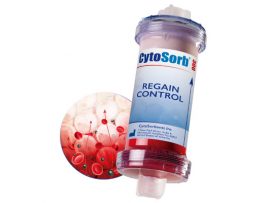
This report describes the case of a 63-year-old female patient, who was admitted to the Intensive Care Unit with the diagnosis of septic shock. [pdf-embedder url="https://perfusfind.com/wp-content/uploads/2021/03/caso-semana-cyto_compressed.pdf" title="caso semana cyto_compressed"]
Read More
Abstract OBJECTIVES The aim of this study was to assess the safety and effectiveness of our selective antegrade brain perfusion (SABP) strategy, which is characterized by moderate hypothermic and low-pressure..
Read More