


Prof. Elio Carvalho é Biomédico, Microbiologista e Perfusionista pela Unicamp, CLAP e SBCEC. É perfusionista do Hospital de Clínicas da Unicamp e Coordenador do Curso da Unicamp de Perfusionistas...
Read More
Abstract Adults and children who require extracorporeal membrane oxygenation for respiratory failure remain at risk for ongoing lung injury if ventilator management is not optimized. This review serves as a..
Read More
Abstract Objective Our aim was to analyse whether prophylactic preoperative intraaortic balloon pump (IABP) improves outcomes in hemodynamically stable patients with low (LVEF ≤30%) undergoing elective (CABG) using (CPB). Secondary aim was to..
Read More
Abstract Introduction The membrane oxygenator in extracorporeal circulation circuits is coated with acrylate-copolymer (ACP) or immobilized heparin (IHP) to enhance hemocompatibility. To evaluate the relative features of both coatings, we..
Read More
Abstract What are AI, Machine Learning, and Artificial Neural Networks? Medical publishing in AI has increased exponentially over the last few years.7 Artificial intelligence is a broad term that represents the..
Read More
Abstract Artificial intelligence has the potential to improve the care that is given to patients; however, the predictive models created are only as good as the base data used in..
Read More
Abstract Disclaimer: These guidelines for routine neuromonitoring in neonatal and pediatric patients supported on extracorporeal membrane oxygenation (ECMO) are intended for educational use to build the knowledge of physicians and other health..
Read More
Abstract Aim of the Review: Improving rates of organ donation among patients with out-of-hospital cardiac arrest who do not survive is an opportunity to save countless lives. The objectives of..
Read More
Abstract LAVA-ECMO has recently gained attention in the medical community, specifically, as support for cardiogenic-shock patients. In particular, interest has picked up since it was highlighted at the 2023 Houston..
Read More
Abstract There is growing evidence that severe tricuspid regurgitation (TR) impacts clinical outcomes in a variety of cardiovascular disease states. The late presentation of patients with advanced TR highlights the..
Read More
Abstract Introduction Cardiac output (CO) is a key determinant of oxygen delivery. Low cardiac output syndrome (LCOS) causes organ dysfunction, prolonged hospital stay, and reduces survival in perioperative settings and..
Read More
Abstract Treatment of circulatory shock in critically ill patients requires management of blood pressure using invasive monitoring, but uncertainty remains as to optimal individual blood pressure targets. Critical closing pressure,..
Read More
Abstract We aimed to determine the association between cerebral regional oxygen saturation (rSO2) trends from cerebral near-infrared spectroscopy (cNIRS) and acute brain injury (ABI) in adult venoarterial extracorporeal membrane oxygenation (VA-ECMO) patients. ABI was defined as..
Read More
Abstract The times are changing for the Ross procedure as it settles itself as the best alternative for valve replacement not only in young adults, but also, as the study..
Read More
Abstract BACKGROUND Despite advances in defibrillation technology, shock-refractory ventricular fibrillation remains common during out-of-hospital cardiac arrest. Double sequential external defibrillation (DSED; rapid sequential shocks from two defibrillators) and vector-change (VC)..
Read More
Abstract The Aeson total artificial heart provides right- and left-sided heart replacement for biventricular failure with notable improvements from prior generations. These include enhanced hemocompatibility and autoregulation enabling increased output in..
Read More
Abstract Due to advances in critical care medicine over the past several decades, the number of survivors of critical illness continues to grow despite increased severity of illness (). There..
Read More
Abstract Background Current guidelines recommend enteral nutrition (EN) should be implemented as early as possible in patients after cardiopulmonary bypass (CPB), but the optimal time to initiate EN is still..
Read More
Abstract Background Venoarterial extracorporeal membrane oxygenation (VA-ECMO) is a key support modality for cardiogenic shock. The 2018 United Network for Organ Sharing (UNOS) heart transplant allocation algorithm prioritizes VA-ECMO patients...
Read More
Actualización en Soporte Vital extracorpórea Pediátrico mediante sistemas de levitación magnética
Read More
Abstract Introduction: Alterations in the acid-base balance are studied in all medical specialties. Although most cases derive from a preexisting pathology, they can also manifest themselves in a primary context...
Read More
Aortic arch hybrid surgery is a complex procedure that combines traditional open surgery with endovascular techniques. It's often used to treat aortic arch aneurysms or dissections. In this approach, the..
Read More
Abstract Background The severity of tissue hypoxia is routinely assessed by serum lactate. We aimed to determine whether early lactate levels predict outcomes in refractory out-of-hospital cardiac arrest (OHCA) treated..
Read More
Abstract Aim Aim of this study was to describe and analyse associations of incidents and their improvement actions in hospital setting. Methods It was a retrospective document analysis of incident reporting systems’..
Read More
Abstract Objective The ProCCard study tested whether combining several cardioprotective interventions would reduce the myocardial and other biological and clinical damage in patients undergoing cardiac surgery. Design Prospective, randomized, controlled..
Read More
Abstract Hemodynamics is a key factor in the management of acute respiratory distress syndrome (ARDS), as hemodynamic compromise is associated with mortality and its incidence is between 50 and 70%..
Read More
Abstract With the implementation of the new allocation system in the United States on October 18, 2018, patients requiring temporary mechanical circulatory support (tMCS) have the highest priority, a shorter..
Read More
Abstract Background Nontechnical skills are critical in cardiac surgery but currently there is no formal paradigm to teach these in residency training. We investigated the use of the Nontechnical skills..
Read More
Abstract Background: The use of autologous blood transfusion in digestive tract surgeries, whether after preoperative blood collection or intraoperative blood salvage, is an alternative to allogeneic blood, which brings with..
Read More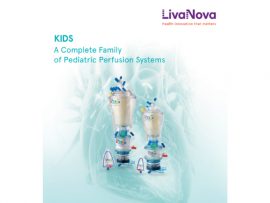
Abstract Importance Phthalate chemicals are used to manufacture disposable plastic medical products, including blood storage bags and components of cardiopulmonary bypass (CPB) circuits. During cardiac surgery, patients can be inadvertently exposed..
Read More